Hugging Face Introduces Reachy Mini for $299—a Robot That Could Change the Entire Robotics Industry
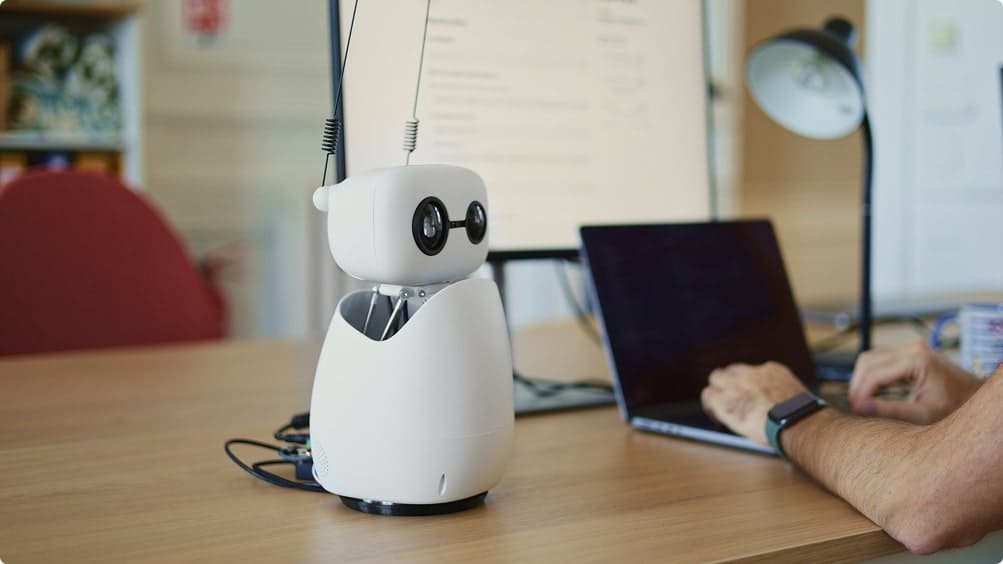
Hugging Face, the artificial intelligence platform valued at $4.5 billion that has become the "GitHub of machine learning," has announced the launch of the Reachy Mini robot for $299. This 28-centimeter humanoid companion is the company's boldest step yet toward democratizing robotics development and challenging the industry's traditional model based on closed-source systems and high costs.
The Reachy Mini robot emerged from the April acquisition of French startup Pollen Robotics and is the first consumer product to integrate natively with the Hugging Face Hub. This integration gives developers access to thousands of pre-built artificial intelligence models and enables them to share robotics applications through the platform's "Spaces" feature.
Technical Specifications and Capabilities
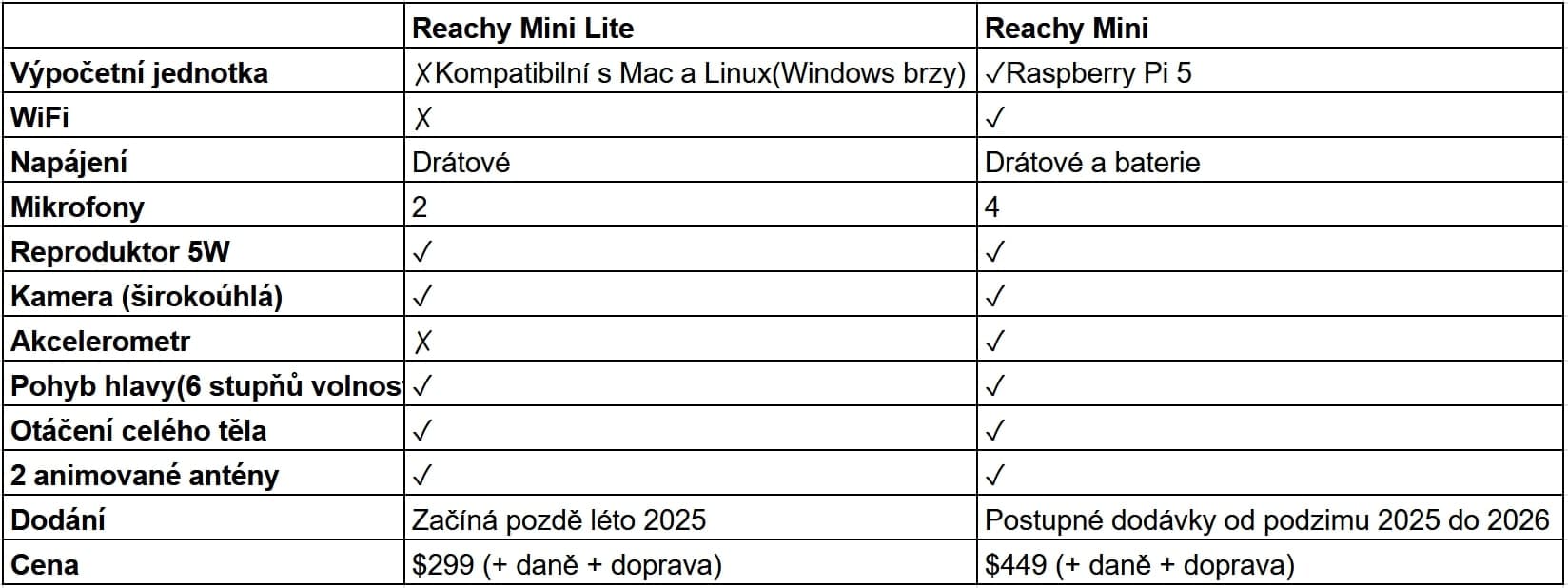
Reachy Mini is 28 cm tall and 16 cm wide, while measuring approximately 23 cm in sleep mode. It weighs 1.5 kg and comes as a kit. The robot is available in two versions—a basic Lite version for $299 and a fully autonomous wireless version for $449.
The wireless version includes a Raspberry Pi 5, Wi-Fi connectivity, and a battery. Both models are equipped with a wide-angle camera, a 5 W speaker, and a movable head with six degrees of freedom. The wireless version also includes four microphones (compared to two in the Lite version), an accelerometer, and the option of battery power.
Programming and Accessibility
The robot is fully programmable in Python, with support for JavaScript and Scratch planned for the future. Users can create and share new applications through the Hugging Face Spaces platform, which could lead to the creation of "thousands to potentially millions of applications," as CEO Clément Delangue explains.
The basic version is compatible with Mac and Linux, with Windows support planned. The robot comes with more than 15 preinstalled behaviors, including face and hand tracking, smart companion features, and dance moves.
Open-Source Philosophy Versus Closed Systems
Hugging Face plans to release all hardware designs, software, and assembly instructions as open source, allowing anyone to create their own version. The company makes money from convenience by selling preassembled units to developers who would rather pay than build from scratch. This approach is a fascinating test of whether open-source principles can be successfully applied to hardware businesses. Delangue emphasizes: "One of my personal motivations for open-source robotics is that it will fight against the concentration of power, against the tendency to create robots that users do not understand or truly control."
Strong Technological Foundation
Hugging Face is collaborating with NVIDIA on robotics simulation and training through Isaac Lab, enabling developers to generate synthetic training data and test robot behaviors in virtual environments before deployment. The recent release of SmolVLA, a vision-language-action model with 450 million parameters, demonstrates the technological foundation behind Reachy Mini.
The SmolVLA model is designed to be efficient enough to run on consumer hardware, including MacBooks, making sophisticated artificial intelligence capabilities accessible to individual developers without requiring expensive cloud infrastructure.
Impact on Education and Research
At $299, the robot costs less than many smartphones while providing full programmability and artificial intelligence integration. Universities, coding bootcamps, and individual students can use the platform to explore robotics concepts without the need for expensive laboratory equipment.
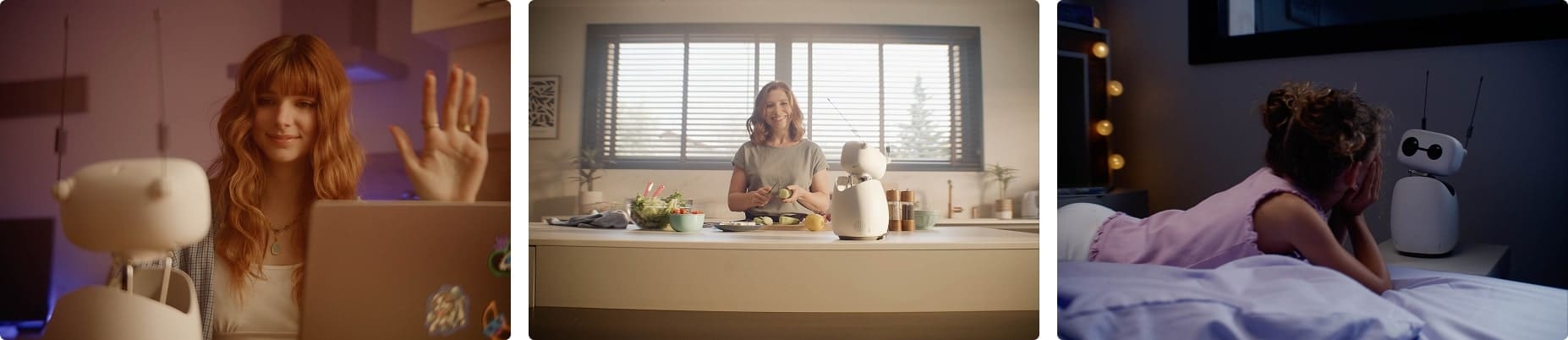
Delangue revealed that community feedback has already influenced product development. A colleague's five-year-old daughter wanted to carry the robot around the house, which led to the development of the wireless version. "She started wanting to carry it everywhere around the house," he explained. "That's when the cables started becoming a problem."
The Future of Robotics in Developers' Hands
Reachy Mini is entering a rapidly evolving robotics landscape. The Tesla Optimus program, Figure's humanoid robots, and Boston Dynamics' commercial offerings represent the high end of the market, while companies such as Unitree have introduced more affordable humanoid robots for approximately $16,000.
Hugging Face's approach differs fundamentally from these competitors. Instead of creating a single, highly capable robot, the company is building an ecosystem of affordable, modular, open-source robotics components. Previous releases include the SO-101 robotic arm (starting at $100) and plans for the HopeJR humanoid robot (around $3,000).
This strategy reflects broader trends in artificial intelligence development, where open-source models from companies such as Meta and smaller players have challenged closed-source leaders such as OpenAI. Hugging Face's ability to navigate these challenges while maintaining its open-source philosophy will determine the platform's long-term success.