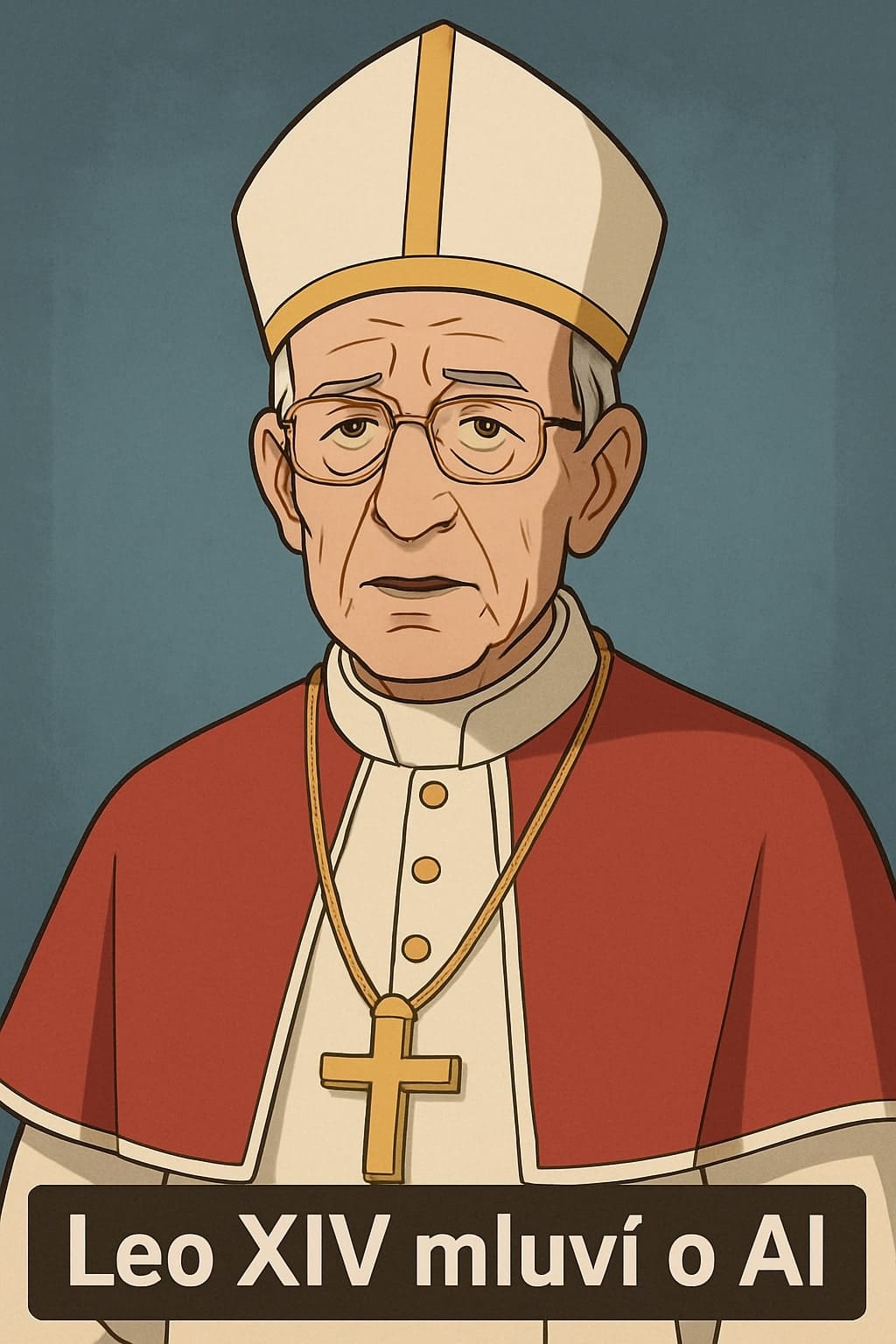
New Pope Leo XIV and AI as a Key Challenge for the Church
The newly elected Pope Leo XIV, formerly known as Cardinal Robert Prevost, identified artificial intelligence as one of the most critical challenges facing humanity today. He did so during his first formal address to the cardinals who elected him in May 2025. In his address, the new pontiff explained that he chose the name Leo after Pope Leo XIII, who led the Church from 1878 to 1903 and was renowned for his focus on workers’ rights and social issues during the First Industrial Revolution. "In our time, the Church offers everyone the treasury of its social teaching in response to another industrial revolution and to developments in the field of artificial intelligence, which pose new challenges to the defense of human dignity, justice, and work," Pope Leo XIV stated.
Continuity with His Predecessor and New Priorities
The new pope promised to continue some of the priorities established by his predecessor, Pope Francis. Toward the end of his pontificate, Francis became increasingly concerned about the potential threats artificial intelligence posed to humanity and even called for an international treaty regulating the development of AI. Through this focus, Pope Leo XIV clearly indicates that the Catholic Church under his leadership intends to actively engage in discussions about the ethical aspects of technological progress, much as Pope Leo XIII did during the first major period of industrial development. By drawing a parallel between the First Industrial Revolution and today’s rapid technological development, the pope emphasizes that technological changes can bring both opportunities and threats to human society. Just as industrialization in the 19th century transformed social structures and created a need for new approaches to protecting the dignity of workers, artificial intelligence, according to the new pope, likewise requires a thoughtful response based on Catholic social teaching.
Pope Leo XIV considers the following to be the key aspects of this issue: Protecting human dignity in the digital age, Ensuring fairness in access to technology, Addressing the impact of artificial intelligence on the labor market and the value of human work. The choice of this focus suggests that the Catholic Church under the leadership of Pope Leo XIV is preparing to play an active role in shaping ethical frameworks for technologies that will increasingly determine the future of human society.