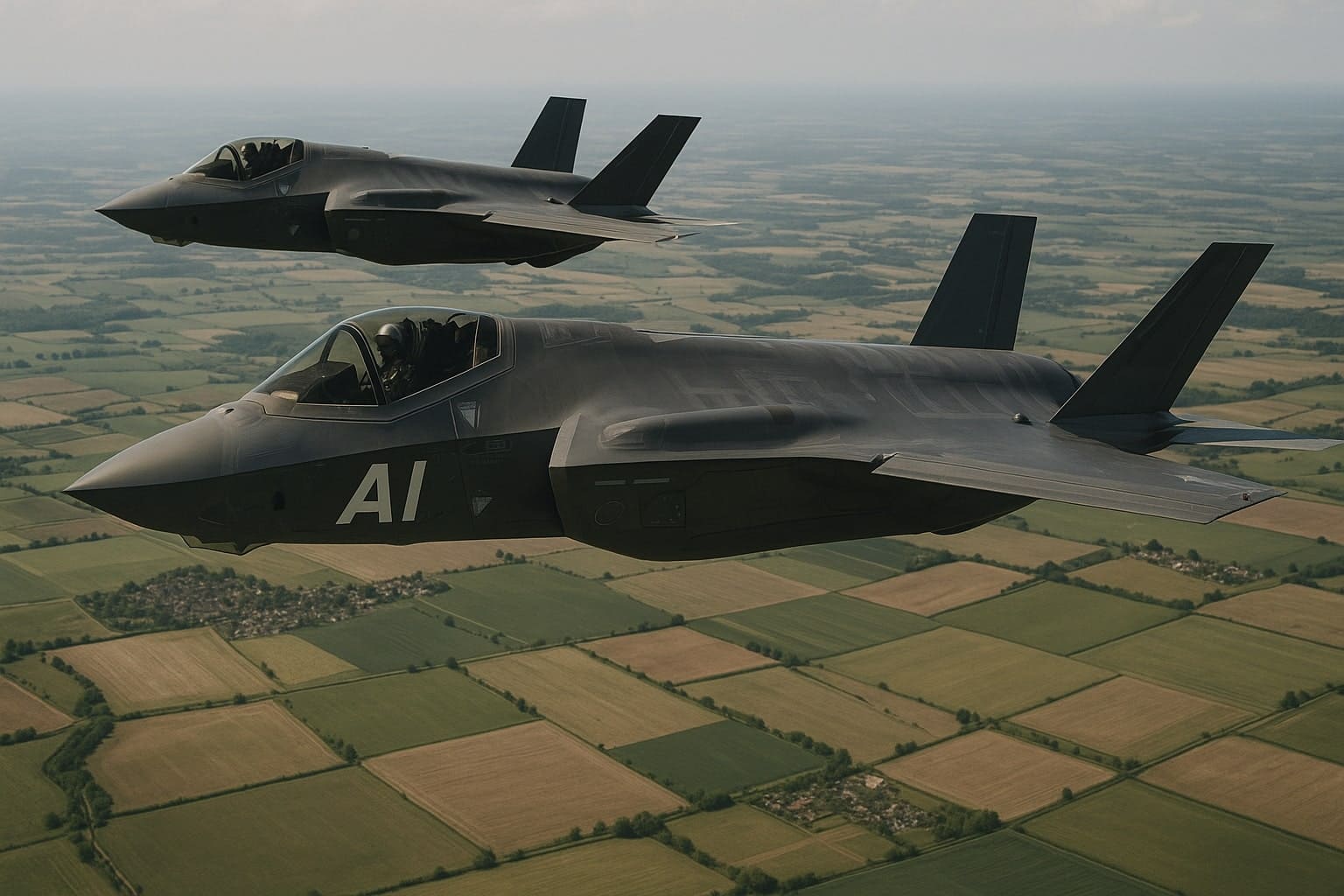
The Pentagon Introduces AI into Aerial Combat
In August of this year, U.S. Air Force and Navy pilots conducted a groundbreaking test in which, for the first time, they received tactical instructions from an artificial intelligence system called Starsage, developed by Raft AI. The system served as an air battle manager, providing F-16, F/A-18, and F-35 pilots with real-time information about threats such as formations of enemy aircraft. Instead of communicating traditionally with human controllers on the ground who monitor radars and sensors, the pilots received rapid snapshots of the situation, allowing them to respond within seconds rather than minutes. According to Shubhi Mishra, CEO of Raft AI, this is groundbreaking because no known adversary has tested similar technology.
How Did It Work in Practice?
During the exercise, pilots reported their positions to Starsage, which compared them with the mission plan and sensor data. The system verified whether enough aircraft were engaged and prepared updates for commanders. When pilots requested a threat assessment, Starsage analyzed the data and issued a so-called "picture call"—a detailed description of a group of five enemy aircraft. Unlike human controllers, who assist several pilots at once, Starsage was assigned to each pilot individually, increasing accuracy and reducing workload. If necessary, the system could transfer control to a human operator.
Impact on Military Aviation
The test showed that artificial intelligence could change the way aerial battles are conducted. Companies such as Anduril and General Atomics are already developing unmanned fighter aircraft that would fly alongside human-piloted aircraft, shifting the emphasis from manpower to technological superiority. Faster decisions may help pilots intercept threats more quickly, but there is also a risk of removing human strategic judgment. According to experts, critical decisions should remain in human hands, even if technology such as Starsage is already capable of handling them. This could affect pilot training, command structures, and overall tactics in conflicts where speed determines victory.
Source: www.foxnews.com