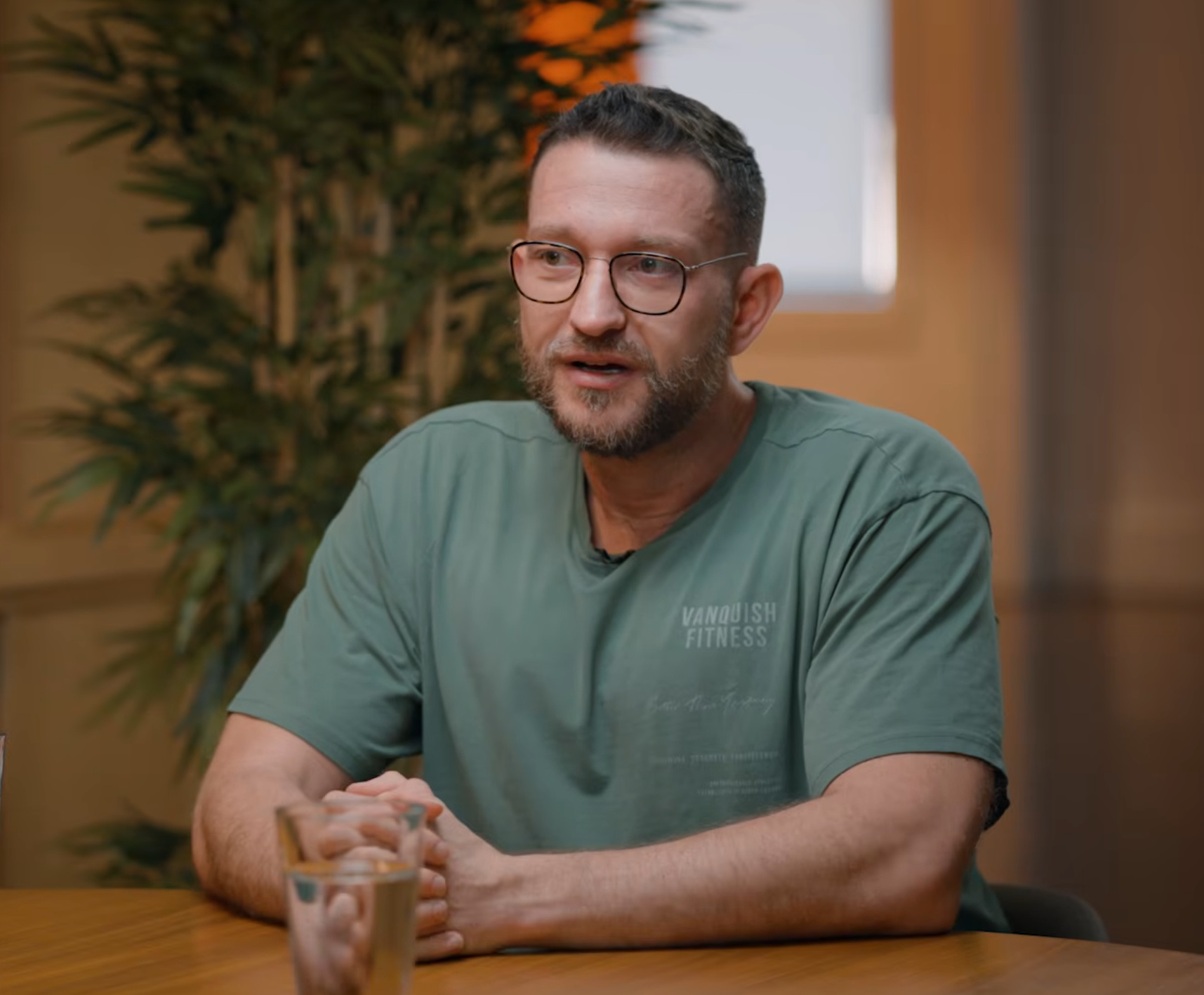
Sam Altman announced news that sent ripples through the entire tech world. Peter Steinberger, the Austrian developer and creator of the viral AI agent OpenClaw, is joining OpenAI. And what's more—his project will remain open source and continue under the auspices of a new foundation supported by OpenAI. "Peter is joining OpenAI to lead the next generation of personal agents," Altman wrote on X. His enthusiastic words continued: "He is a genius with a ton of amazing ideas about the future of highly intelligent agents that will communicate with one another and do truly useful things for people.
From Clawdbot through Moltbot to OpenClaw
Steinberger's project has had a turbulent journey. It began in November as Clawdbot. Then came the threat of legal action from Anthropic due to its similarity to their Claude, and Moltbot was born. In the end, the developer settled on OpenClaw simply because he liked it better. In just a few weeks, the project became a phenomenon. More than 100,000 stars on GitHub. Two million visitors in a single week. People around the world began using the AI assistant, which can manage emails, deal with insurance companies, check you in for flights, and handle countless other tasks.
What makes OpenClaw so special? It is not just a chatbot that answers questions. It is an AI that actually does things. Autonomously. Without constantly bothering you with questions.
Why OpenAI? Why not his own startup?
Steinberger could have taken the conventional path. Launch a startup, raise investment, build a company. He could have become another Silicon Valley billionaire. But that did not appeal to him. "We could turn this into a huge company, but that is not really what I enjoy," he wrote in his blog post. "I want to change the world, not build a big company. And joining OpenAI is the fastest way to bring this to everyone."
The kind of honesty that gets to you. How many people would turn down the chance to build their own unicorn in pursuit of a greater impact?
Open source remains, and so do the concerns
OpenClaw will remain an open-source project. That was Steinberger's number one condition. "It has always mattered to me that OpenClaw remain open and free to grow," he explained. OpenAI promises that the project will live on within a foundation and that the company will continue to support it. Altman adds: "We expect this to quickly become a core part of our product offerings."
But not everyone is celebrating. OpenClaw's openness raises security concerns. Users can modify the tool in virtually any way they choose. Researchers are warning of cyber threats. China's Ministry of Industry even issued a warning that a poorly configured OpenClaw could expose users to cyberattacks and data leaks. Paradoxically, OpenClaw is spreading like wildfire in China. It works with Chinese language models such as DeepSeek and can be connected to Chinese messaging apps. Baidu plans to integrate OpenClaw directly into its main mobile app. That means millions of potential users.
The war for AI talent rages on
OpenAI did not pay pocket change for Steinberger. No one has disclosed the exact figures, but today's AI giants are throwing money around like there is no tomorrow. In May, OpenAI acquired io, the startup founded by iPhone designer Jony Ive, for more than $6 billion. Meta and Google are also spending billions on the best minds in AI.
Why? Because the generative AI market is now a battlefield. OpenAI, valued at $500 billion, faces fierce competition. Google and Anthropic are challenging it with their own models. Anthropic recently unveiled Claude Opus 4.6—a model that excels at coding and can handle more complex tasks for longer. The company has just closed a funding round at a valuation of $380 billion.
Meanwhile, AI agents like OpenClaw are only the beginning. Tools that do not merely answer but actually act on your behalf, automate work, and make decisions. That is the future everyone is fighting over.
The future belongs to AI agents
Steinberger's move to OpenAI is not just another acquisition. It is a signal of where the entire industry is heading. Personal AI agents will become a normal part of our lives. They will manage our calendars, handle tedious administrative tasks, and communicate with other AI agents on behalf of their owners. OpenClaw already has millions of users today. And with OpenAI's backing and Steinberger's genius at the wheel? This technology could be everywhere sooner than we think.
Are we ready for it? And can we ensure that these tools remain safe and serve people, rather than the other way around?
Source: cnbc.com