OpenAI, the company behind the viral chatbot ChatGPT, is secretly working on its own social network that could fundamentally change how we verify identity online. According to sources familiar with the project, the platform has one primary goal: to solve the bot problem plaguing today’s social networks, especially X (formerly Twitter).
A platform for real people only
The new social network is still in the early stages of development and is being worked on by a team of fewer than ten people. The platform’s key feature is expected to be biometric identity verification, ensuring that every account belongs to a real person rather than a bot.
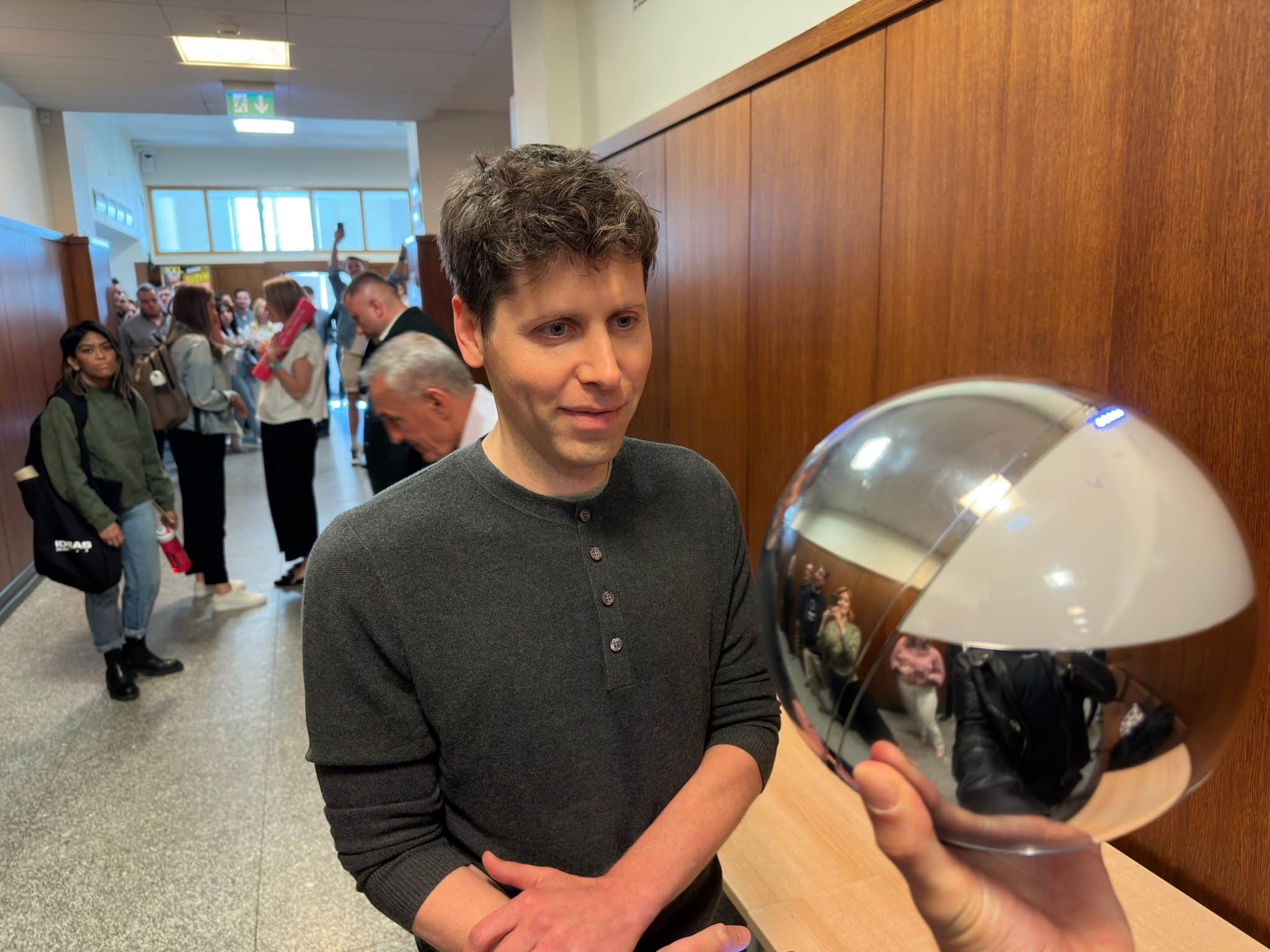
According to information from Forbes, the development team is considering requiring "proof of humanity" through technologies such as Apple Face ID or World Orb. World Orb is a melon-sized device that scans the iris and creates a unique, verifiable ID. The device is operated by Tools for Humanity, a company founded and currently led by Sam Altman, the CEO of OpenAI.
Why biometric verification?
While social networks such as Facebook and LinkedIn attempt to verify users’ identities, they usually do so through phone numbers, emails, or behavioral signals. None of the major platforms has yet adopted a biometric solution that would definitively prove that a user is human.
Biometric iris verification could theoretically guarantee that every account on OpenAI’s platform is backed by a real person. However, critics warn of the risks associated with such a solution—an iris scan is immutable and could cause serious privacy problems in the wrong hands.
AI content as part of the platform
The exact details of how the social network would complement OpenAI’s existing product portfolio are unknown. However, sources suggest that users will likely be able to use AI to create content, such as videos or images. Instagram, which has 3 billion monthly active users, already allows users to create AI-generated images directly in the app.
There is currently no launch timeline for OpenAI’s social network, and the project could change dramatically before being unveiled to the public, sources warn.
Altman’s fight against bots on X
Sam Altman, an active user of the X platform since 2008, has openly expressed frustration with bots on the network. In September, he wrote on X that "AI Twitter/AI Reddit feels very fake in a way it really didn’t a year or two ago." A few days earlier, he cited the dead internet theory, which claims that the internet has been flooded with non-human activity since 2016.
Elon Musk declared war on bots even before acquiring Twitter, and in 2025 the platform removed approximately 1.7 million bot accounts in a purge aimed at reducing spam in replies. However, bots remain a problem, one that worsened after Musk’s acquisition and the dismissal of approximately 80% of employees, including the trust and safety team.
Competition will be fierce
OpenAI has a solid track record of building applications with significant viral appeal. ChatGPT reached 100 million users within two months of its launch and now boasts more than 800 million users. The AI video app Sora reached 1 million downloads in fewer than five days, a faster growth rate than ChatGPT.
Nevertheless, OpenAI will face an uphill battle if it decides to launch the social network. It will have to compete with Meta, which now has the same number of daily mobile users as X, and newcomers such as Bluesky, which has more than 40 million users in total. Not to mention giants such as Instagram and TikTok, which are ahead in the race to become destinations for AI content.
Adam Mosseri, the head of Instagram, wrote in December: "Feeds are starting to fill up with synthetic everything." This signals that the era of AI-generated content is in full swing.
The future of identity verification
If OpenAI can deliver a platform that prioritizes authentic human identity in the era of synthetic content, it could carve out a unique position in the social media market. However, the company will have to balance innovation with caution and convince users that privacy and security will not be the price of authenticity.
The question remains whether users will be willing to share such sensitive biometric data in exchange for a bot-free environment and also invest in purchasing an Orb device.