

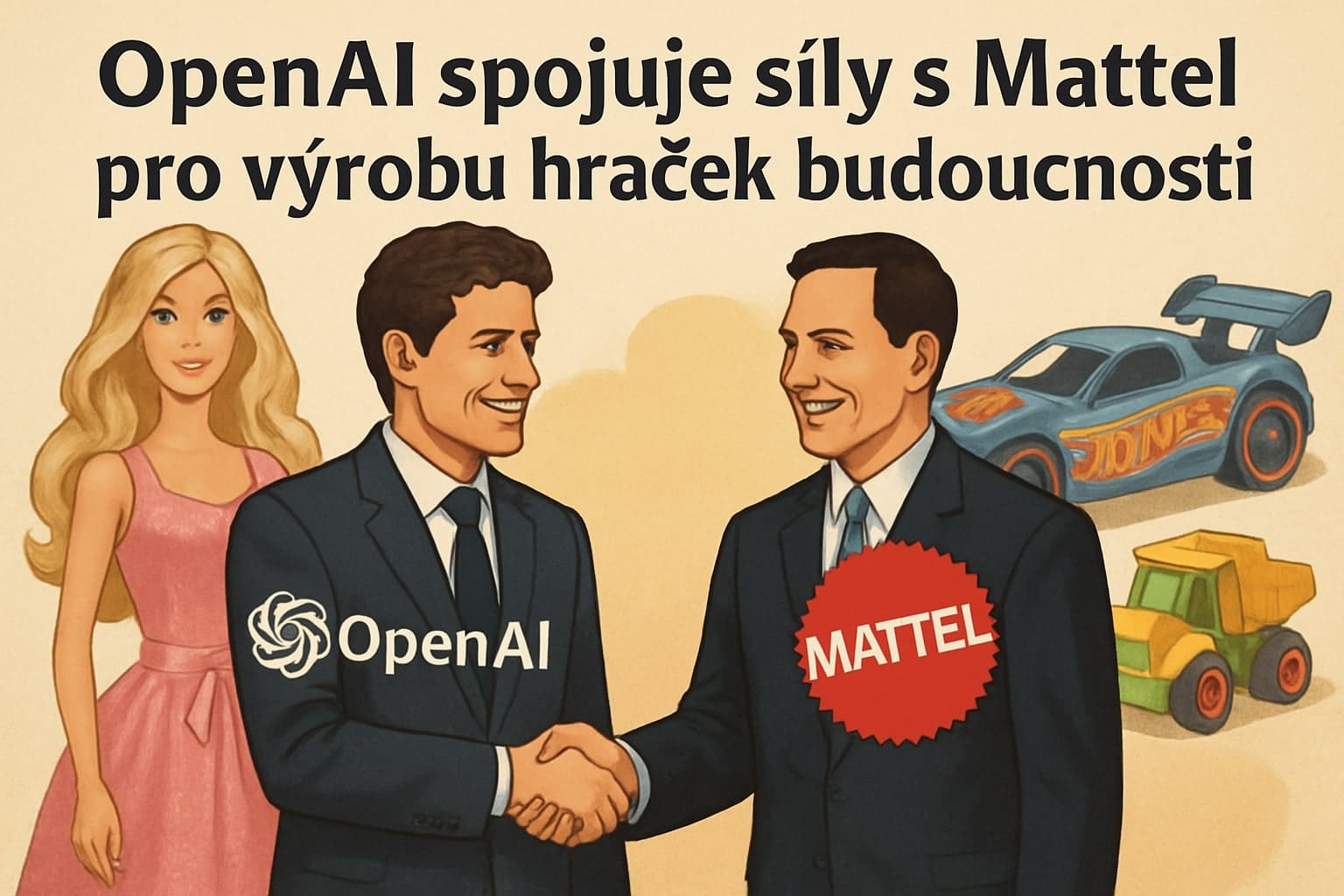
OpenAI Joins Forces with Mattel for the Toys of the Future
In June 2025, Mattel, the company behind iconic brands such as Barbie and Hot Wheels, announced a partnership with OpenAI. This collaboration represents OpenAI's first major agreement with a global toy manufacturer and signals a shift toward integrating generative artificial intelligence into the entertainment and consumer products industry. The aim of this collaboration is to integrate artificial intelligence into both Mattel's product development processes and its brands' physical and digital play experiences.
This partnership is part of Mattel's efforts to adapt to the growing trend of children's media consumption on screens and interactive platforms. For OpenAI, it represents a significant step into the consumer market and an opportunity to demonstrate practical applications of its technology beyond traditional text and image generation.
Development of AI-Powered Toys
Mattel and OpenAI are jointly developing AI-powered features for well-known Mattel brands, including Barbie and Hot Wheels. They plan to introduce new AI-driven products that enhance how children and fans interact with toys, focusing on making play more engaging, interactive, and educational.
These AI-powered toys will likely include advanced conversational capabilities, personalized play scenarios, and adaptive educational content. While specific product details have not yet been released, the companies emphasize that the technology will be designed to be safe, privacy-conscious, and appropriate for children.
Transforming Internal Processes with ChatGPT Enterprise
Mattel will use OpenAI tools such as ChatGPT Enterprise not only to develop smarter toys but also to streamline internal operations. This integration includes product ideation, creative content generation, and innovation across the company. The use of AI technologies has the potential to accelerate the development of new products and improve creative processes within the organization.
Implementing ChatGPT Enterprise into Mattel's workflows represents a modernization of the traditional toy industry and will demonstrate how artificial intelligence can support not only end products but also the way these products are conceived and created. This integration could lead to more efficient use of resources and faster launches of innovative toys.
Expansion into Digital Content and Entertainment
Beyond toys, the partnership may also influence Mattel's expanding entertainment business, which includes movies and digital games based on its toy brands. The use of OpenAI technology may extend to upcoming digital games and media content, although specific details have not yet been released.
This expansion represents an opportunity for Mattel to strengthen its position as a digital-first entertainment leader, using advanced AI to enrich play, learning, and fan engagement across its brand portfolio. The partnership could therefore influence not only physical toys but the entire landscape of entertainment content associated with the company's iconic brands.
Safety and Responsibility in AI Toy Development
Both companies have emphasized their commitment to ensuring that AI-powered toys and experiences are safe, privacy-conscious, and appropriate for children. This includes robust safeguards and thoughtful design of interactive features. Given that these products are intended for children, safety and privacy concerns are particularly important. The companies are committed to implementing strict standards for protecting children's data and ensuring that AI interactions are pedagogically appropriate and safe.
Timeline and Market Expectations
The first AI-powered Mattel products resulting from this partnership are expected to be announced later in 2025. Although there are no plans to launch a "ChatGPT Barbie" for the 2025 holiday season, other AI-powered experiences are in development and are expected to be unveiled during the year.
This partnership is poised to bring generative AI to the heart of toy innovation, transforming both how toys are created and how children and families interact with them. Details about specific products and features are expected later in 2025, as the partnership continues to develop and unveils the first commercial results of this collaboration.


