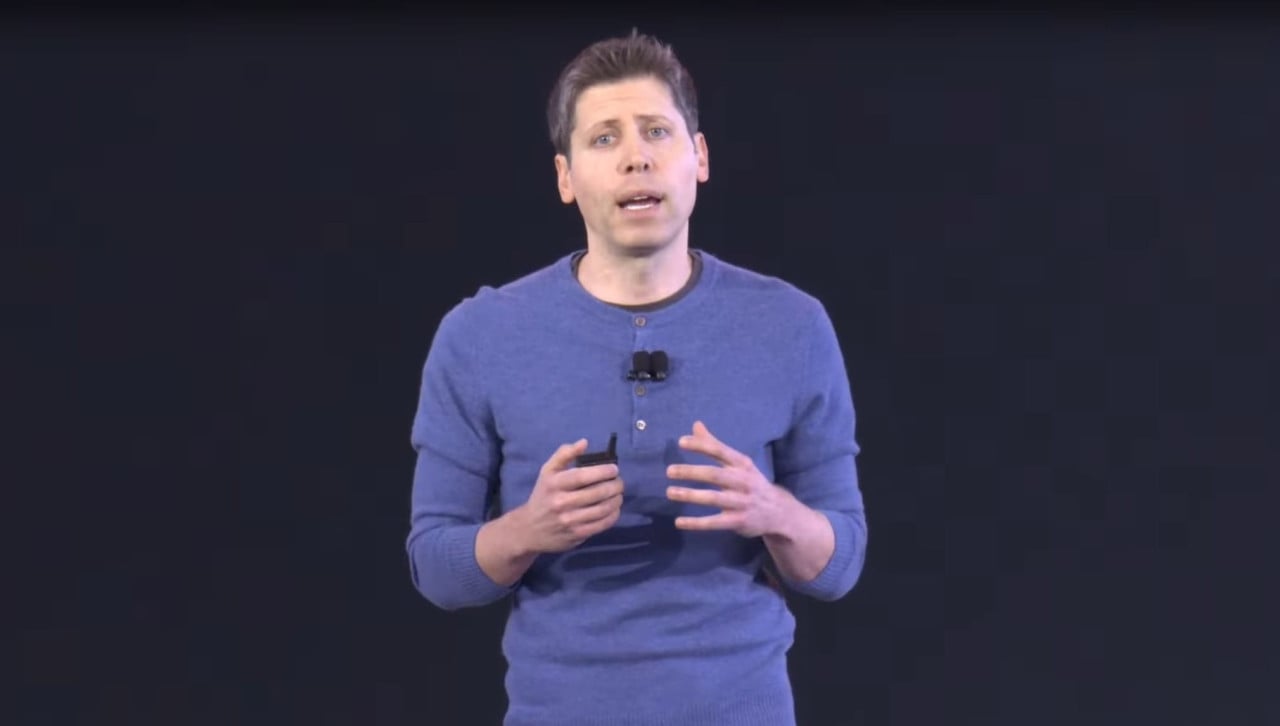
Last October, Sam Altman, the head of OpenAI, publicly suggested that ChatGPT might one day offer an “adult mode” for erotic content. The idea was controversial from the very beginning. And now, in March 2026, it is clear: the project is over. Indefinitely, with no return date. What changed in those few months?
A rapid turn of events
The idea of an erotic chatbot immediately drew a fierce backlash. Technology watchdog groups sounded the alarm, the media wrote about the risks, and tensions ran high within OpenAI itself. Employees opposed the project, while investors expressed concerns about the societal impact of sexualized content generated by artificial intelligence.
Then, in January, company executives met with the advisory board. And things quickly became heated. One adviser reportedly warned that OpenAI was effectively developing a “sexy suicide coach” — a tool combining eroticism with potentially dangerous emotional attachments. The remark was quoted by the Wall Street Journal, and once you hear words like that, they are hard to shake. The feature’s release was postponed. Once, then again, until it was ultimately canceled for good.
The end of experimentation
According to the Financial Times, OpenAI halted the project because it first wants to thoroughly investigate the long-term effects of sexually explicit chats and emotional attachments on users. The problem is that virtually no relevant research exists yet. The company itself admitted that it had no “empirical evidence” on which to base a product decision.
In other words, they did not know what they were actually building. And they decided to wait before releasing it. An OpenAI spokesperson responded tersely to questions from TechCrunch: the company “has nothing to add.” That was more or less to be expected.
The erotic chatbot was not the only project OpenAI scrapped in recent days. Just a few days earlier, the company quietly buried Instant Checkout, a feature intended to turn ChatGPT into a shopping portal where users could purchase goods directly from online stores.
Then came the news that may have been the biggest surprise: OpenAI canceled Sora, its AI video generator. The platform, which attracted enormous attention in 2024, was shut down on the grounds that the company wanted to reassess its research priorities. Critics had long pointed out that Sora contributed to the flood of AI “slop” on the internet. Three projects canceled in a single week.
Sam Altman once said that ChatGPT could become a “super app” for everything. Shopping, entertainment, work, intimacy. A grand vision. But in practice, trying to do absolutely everything at once has proven not to be a good idea. OpenAI is now betting on focus. Out with the erotic mode. Out with Sora. Out with the shopping bot. What remains are enterprise tools, coding assistants, and integrations into one large platform.
“Code red” is behind it all
The Wall Street Journal reported a few weeks ago that OpenAI had launched a “major strategic shift” and wanted to focus only on what matters: enterprise users and developers. And TechCrunch summed it up aptly: the future of AI is likely less about porn and memes, and more about business and contracts.
There is specific pressure behind this stance. In recent months, Anthropic has released a series of tools for programmers and businesses and has begun successfully winning over customers. OpenAI is feeling the effects. Sam Altman declared an internal “code red” in December because the competition had drawn dangerously close.
Meanwhile, OpenAI signed a $200 million contract with the U.S. Department of Defense, while Anthropic is suing the Pentagon.
Another problem - protecting children
One aspect of all this deserves special attention. Among the main reasons why the release of “adult mode” was repeatedly delayed and ultimately halted was the risk to children. How can underage users be prevented from accessing adult content? OpenAI did not find a satisfactory answer to that question. And it chose to freeze the project rather than gamble with its reputation.
Yet erotic AI applications have existed and thrived on the market for a long time. Character.AI, Replika, and dozens of other platforms occupy this space with few reservations. OpenAI has apparently decided to leave this field to others, at least until it gains better tools for content moderation.