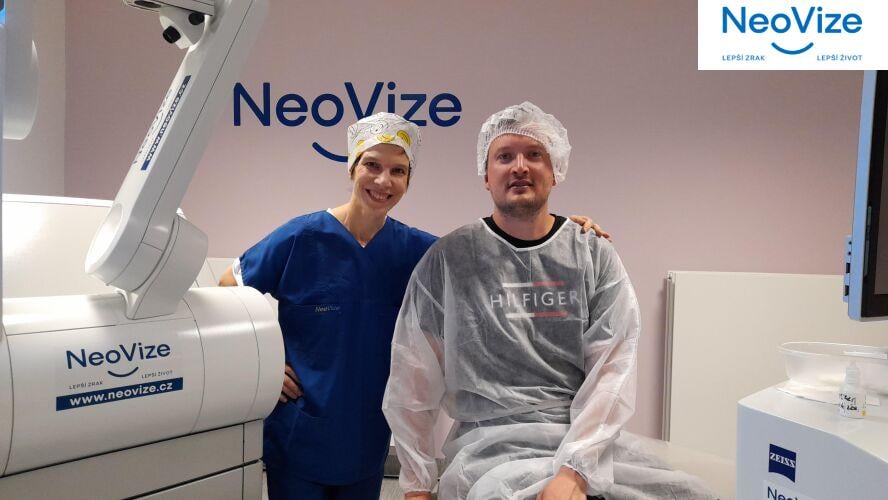
Today marks exactly one year since I underwent laser eye surgery at the NeoVize Eye Clinic in Brno, and I would like to share my complete experience with you.
I had my prescription corrected using the NeoSMILE Pro method, and I will say right from the start that it was one of the best decisions I have made recently. If I had to decide again, I would not hesitate for a second and would do exactly the same thing.
My surgery was performed by Assoc. Prof. Šárka Skorkovská, MD, CSc., who has been the chief physician of the NeoVize Brno Eye Clinic since 2015 and, according to information on their website, has performed more than 30,000 eye surgeries. If you look her up, you will find that she ranks among the absolute leaders in her field—she publishes, lectures, and has completed fellowships abroad in Vienna, Munich, and Tübingen.
Why I was considering surgery
I had been thinking about laser eye surgery for roughly two years. But I still had certain concerns—not outright fear, but rather a sense of respect. I am a programmer and IT professional, so if I lost my eyesight, it would be a fairly serious professional problem. I kept wondering what I would do with my life if something went wrong.
On the other hand, the opposite logic was also constantly on my mind—thousands of people had already undergone this surgery, it was a well-established and routine procedure, and it turned out very well for most people.
I admit that I had not been to an ophthalmologist for more than ten, perhaps even fifteen years. Whenever I bought new glasses, I simply had my eyesight measured again with that machine featuring a balloon, where you look into the distance, and they made new lenses for me based on the results. I had not undergone a conventional examination by an eye doctor at all during that time.
And since I needed new glasses anyway, I thought that paying just under two thousand crowns for an initial examination at NeoVize would not break the bank. Even if I ultimately decided against the surgery, I would at least have a complete diagnosis and could take the results directly to an optician.
To give you an idea, I had roughly −4 diopters in each eye (one was 0.25 higher), without astigmatism. That meant I could see up close without any problems, but I was practically blind at a distance. Without glasses, I could not even read a large sign a few meters in front of me.
I underwent the initial examination at the end of March 2025. However, I deliberately scheduled the surgery itself for a week after returning from our three-week trip around the USA so that I could avoid jet lag after the flight. The surgery ultimately took place on April 28, 2025, roughly one week after our return.
Initial examination at NeoVize—the equipment and everything they measured
To begin with, I have to say that the initial examination made a truly strong impression on me. The professionalism of the staff, the cleanliness of the facilities, the minimal waiting time—everything was simply excellent. They gradually examined me using approximately ten different devices, measuring seemingly everything that can be measured in the eyes. Let us go through what they actually do there and why:
-
Autorefractometer and keratometer—this is the machine “with the balloon” that I also know from optical stores. It measures the approximate refractive error and the curvature of the cornea.
-
Pentacam—a modern imaging device for the anterior segment of the eye. Using 3D images, it can accurately determine the thickness of the cornea, its shape, curvature, the depth of the anterior chamber, and any clouding of the lens. This is one of the most important devices for laser surgery because it is used to determine whether the cornea is suitable for surgery at all.
-
Intraocular pressure measurement (tonometry)—a check to determine whether there is a risk of glaucoma.
-
Slit lamp—a special microscope that allows the doctor to examine the entire eye, from the eyelids, conjunctiva, cornea, and iris to the lens.
-
Examination of the retina and fundus—a check for any defects that could cause problems in the future.
-
Subjective refraction by an optometrist—the classic “is this one better, or that one?” test, which accurately determines the prescription that best matches your vision.
-
Schirmer’s test—a strip of paper placed under the eyelid to measure how much your eyes tear. This is crucial for assessing the risk of dry eye syndrome after surgery.
-
Cycloplegia (dilating the eyes)—special drops that temporarily disable accommodation. This allows the doctor to detect so-called hidden refractive errors that might otherwise not be visible during a routine examination.
The entire initial examination took a little over an hour, and during it they essentially find answers even to things you had no idea applied to you. During the consultation, for example, the chief physician pointed out that my meibomian glands were slightly blocked in my eyelids (the glands that produce part of the tear film) and recommended that I clean my eyelids regularly before the surgery.
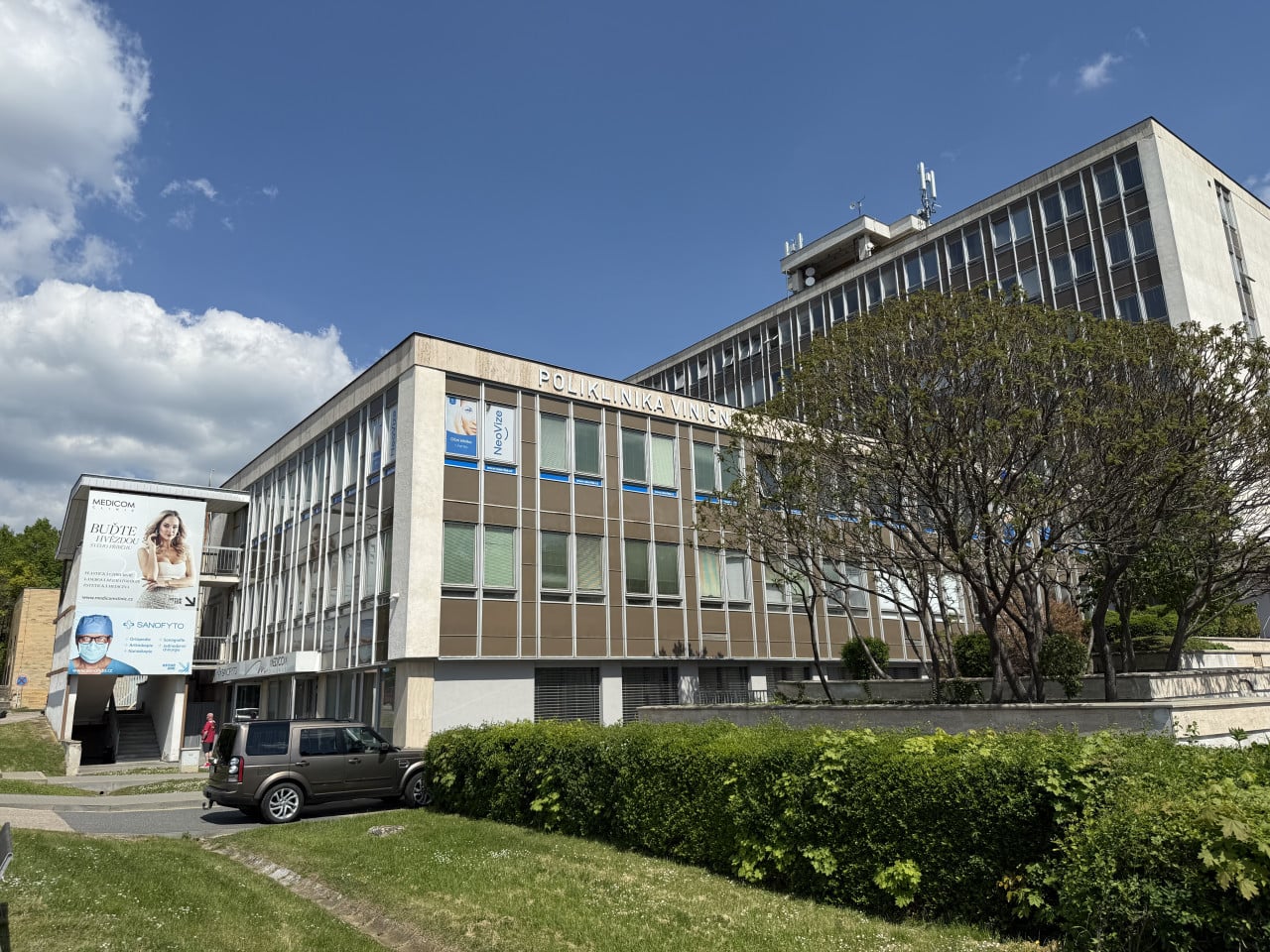
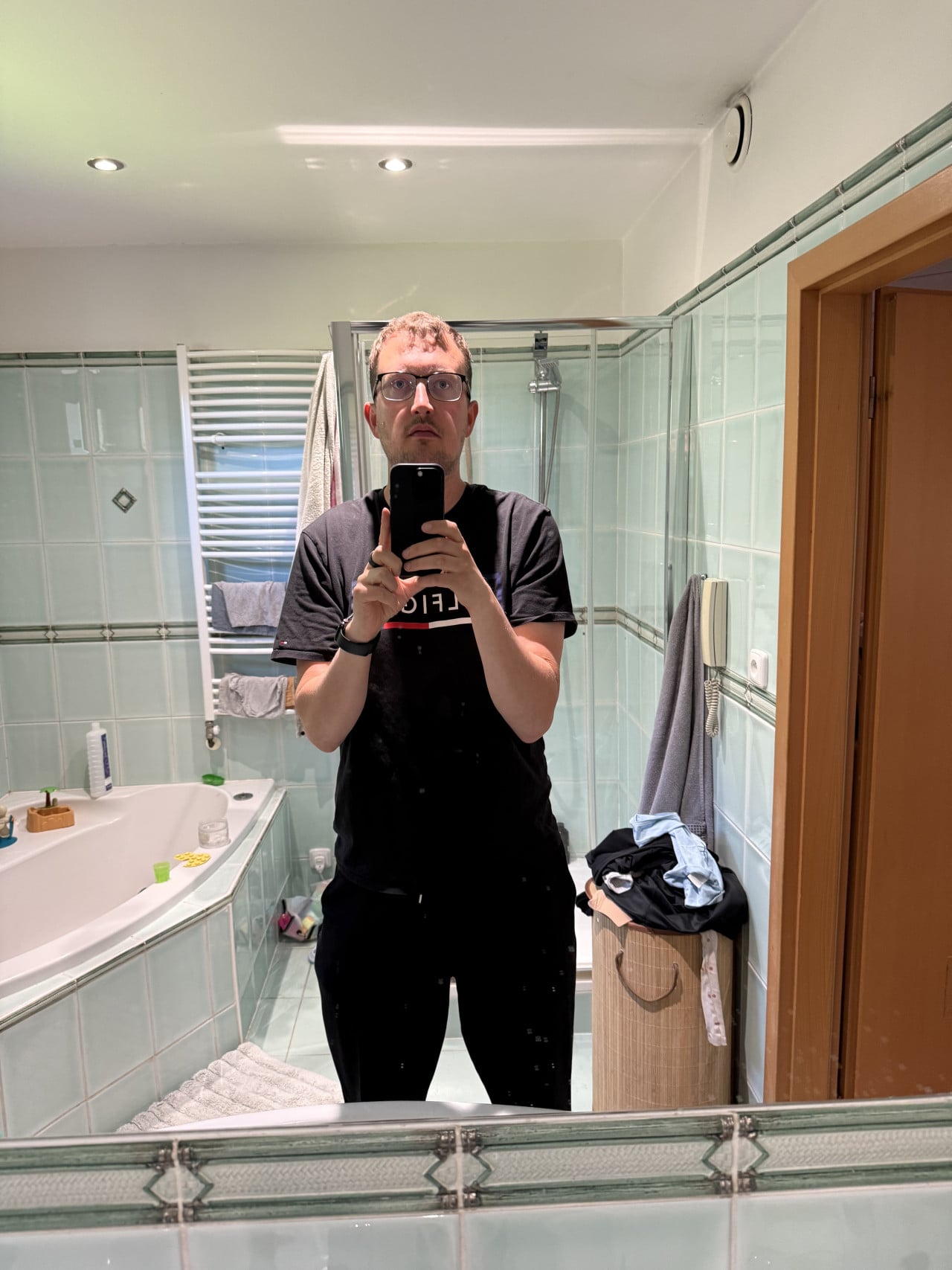
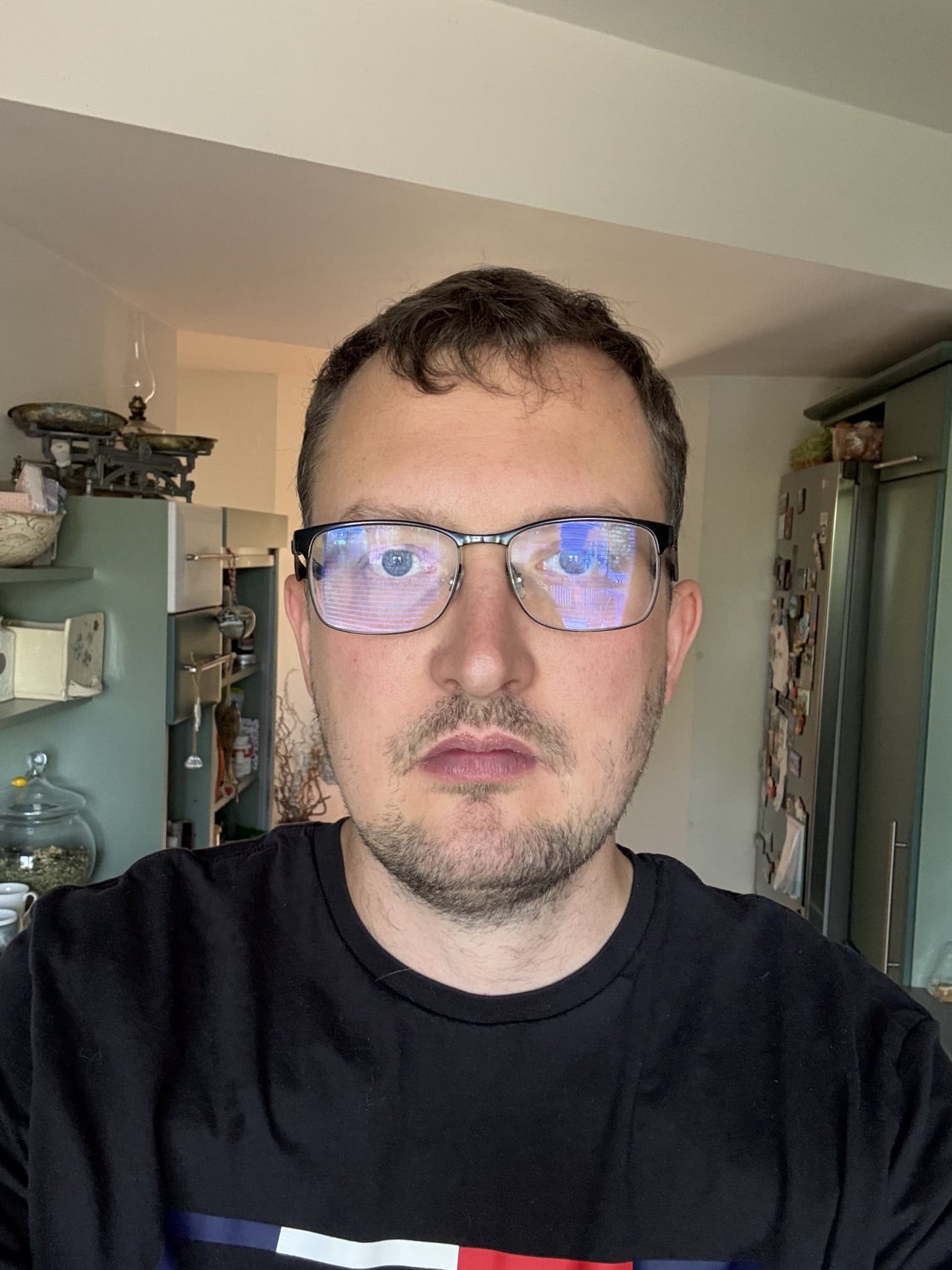
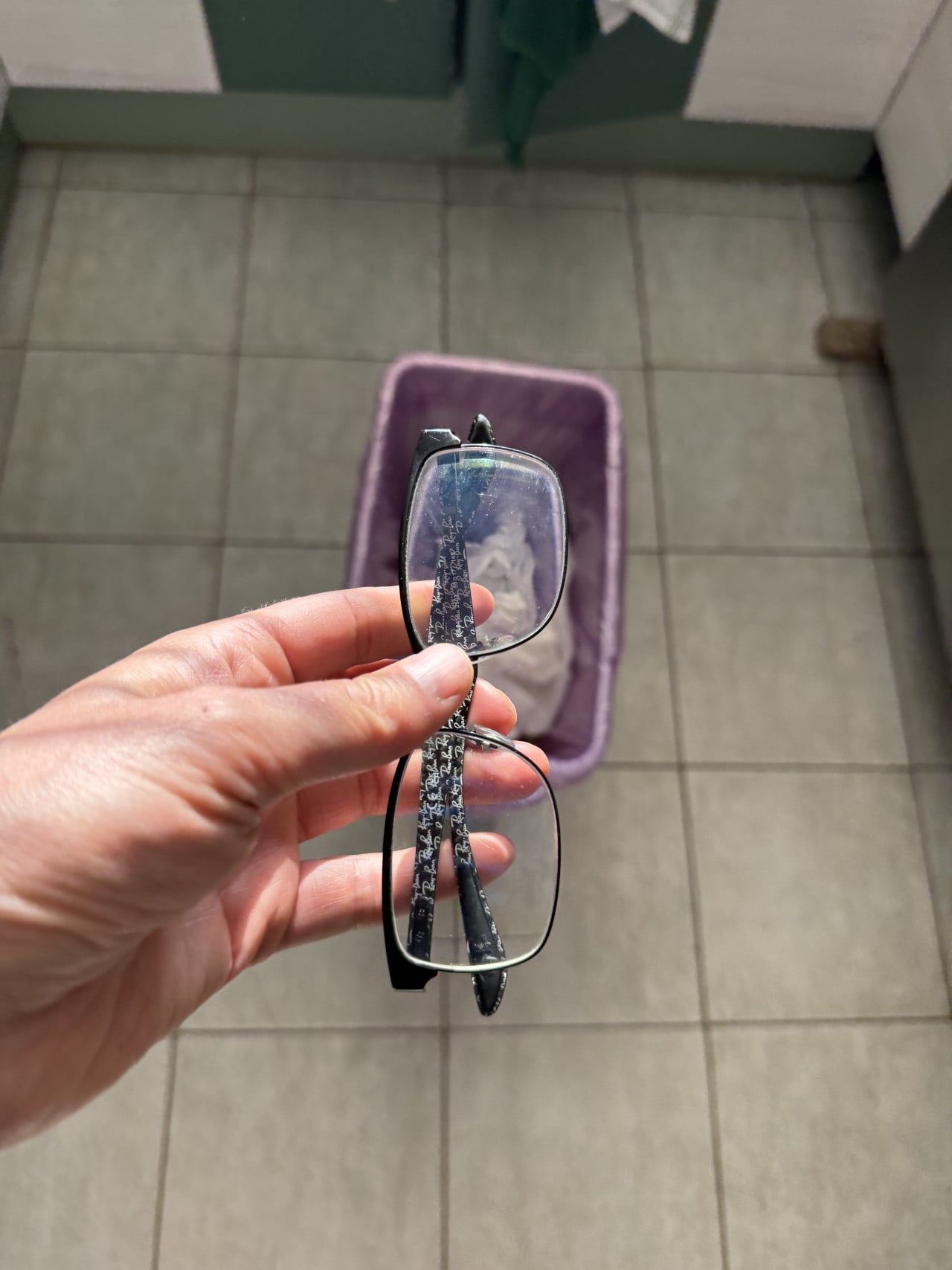
Do you still remember me wearing glasses?
Consultation with Chief Physician Skorkovská
After the examination, I went for a personal consultation with Associate Professor Skorkovská. I had never seen or known her before; I only looked her up online later. And I have to say—she was an incredibly pleasant, calm, and professional lady. Exactly the kind of doctor who makes you feel from the very first second that she knows precisely what she is doing.
She explained that for my type of refractive error, this was one of the simplest surgeries. I only had myopia, no astigmatism, and a sufficiently thick cornea. Simply an ideal candidate.
She then explained the methods available today in a very clear way. I will try to summarize them in simplified terms as I remember them:
Older method—femtoLASIK (NeoLASIK HD). During this procedure, the surgeon first uses a femtosecond laser to create a thin corneal layer (known as a flap), which is lifted. A second laser, known as an excimer laser, is then used to treat the deeper layers of the cornea and change its curvature. The flap is subsequently returned to its original position and reattaches on its own. The method works very well, but the flap remains on the cornea for life, and theoretically there is a higher risk of dry eye syndrome.
Newer method—NeoSMILE Pro (ReLEx SMILE). With this method, the cornea is not lifted at all. The VISUMAX 800 femtosecond laser from Carl Zeiss creates a microscopic “lens” called a lenticule directly inside the cornea, which the surgeon then removes with forceps through an approximately 2–3 mm microscopic incision at the edge. This changes the curvature of the cornea and therefore the prescription. The surface of the cornea remains virtually intact, healing is faster, and the risk of dry eyes is significantly lower.
What is more, the laser itself operates for less than 10 seconds per eye, which is truly amazing.
The chief physician’s calm and professional manner ultimately won me over so thoroughly that I booked a surgery date at reception right away.
The day of surgery—Lexaurin, the waiting room, and the operating room
Before the surgery, I underwent several weeks of hygiene preparation—I regularly cleaned my eyes at home (because of the meibomian glands), and for the first time in my life I learned how to apply eye drops. Incidentally, this was something I had been completely unable to do until then. The first time I tried to put in a drop, I lay on the couch for about 20 minutes before I managed it. After that, however, it became easy, and today it is completely routine for me—you will soon understand why it was so important.
On the day of the procedure, I arrived at the clinic, the chief physician checked that my eyes were fine and everything was clean, and they took me to the waiting room next to the operating room. Another man was sitting there with me. He was quite nervous, and compared with him, I was surprised by how completely calm I felt.
Before the procedure, the nurses gave each of us Lexaurin (a benzodiazepine used to calm you down). I have to say that it was a very pleasant addition. The nervousness immediately disappeared, and you simply felt pleasantly calm.
People are called in one by one from the waiting room—a young woman went before me, and another man went after me. You can see that everything runs like clockwork here. The surgeries follow one after another, but not at some frantic pace—it still seemed that they had plenty of time for each patient.
Before entering the operating room, they measured my eyes again in another, smaller room, checked my cornea, and then we proceeded with the surgery. While I was still in the waiting room, the nurses applied anesthetic drops to my eyes, so I could not feel my eyes at all, and they also inserted a special holder into my eyes to keep them open.
The procedure itself—10 seconds per eye
I lay down on the operating table, and the doctor explained everything to me as she went along and reassured me. She lowered the entire “machine” of the VISUMAX 800 laser over my eye. She always covered one eye, and with the other I had only one task: look at the green laser point / a little green dot.
The point flashed and moved slightly from side to side, but all I had to do was follow it. And that was it. The laser operated on one eye for—by my estimate—no more than ten seconds. Then they rinsed and covered the eye, and repeated the same procedure on the other eye.
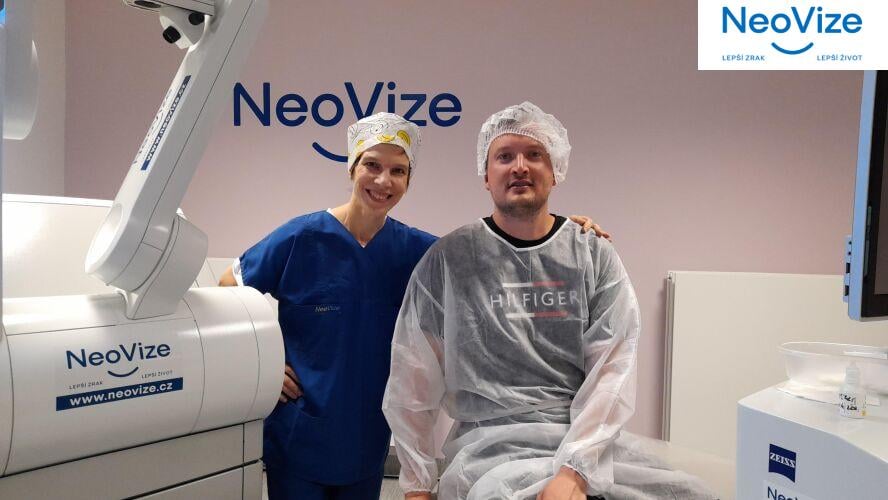
In total, I spent literally five minutes in the operating room. As I was leaving, we took a photo as a keepsake—I will probably keep that photo forever.
Immediately after the surgery, the chief physician examined me again—she looked into my eye using some kind of mirror and confirmed that everything was fine. I was given an appointment for my first check-up in 24 hours, the second after one month, and the third after six months.
Immediately after surgery—the first “aha moment”
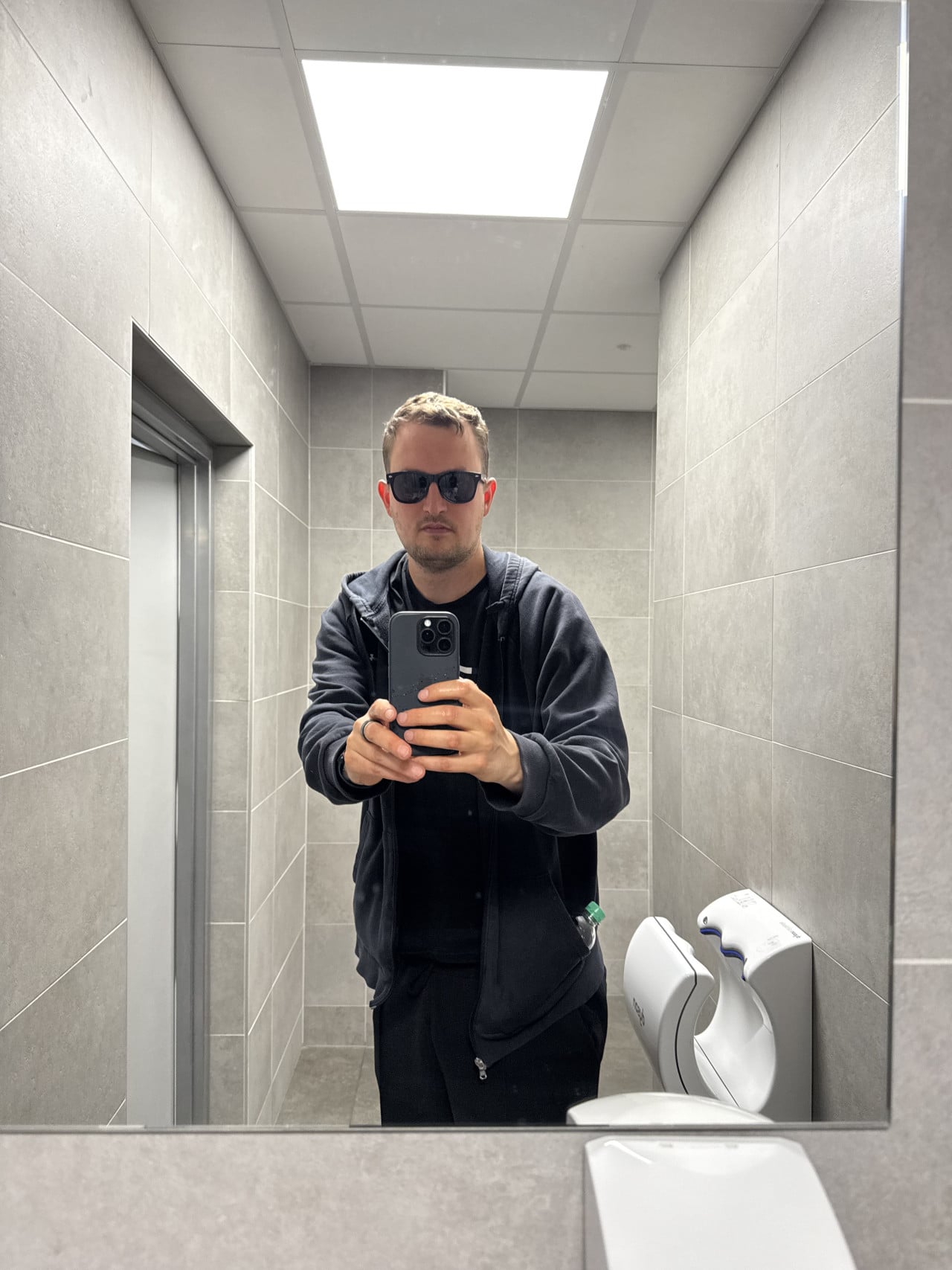
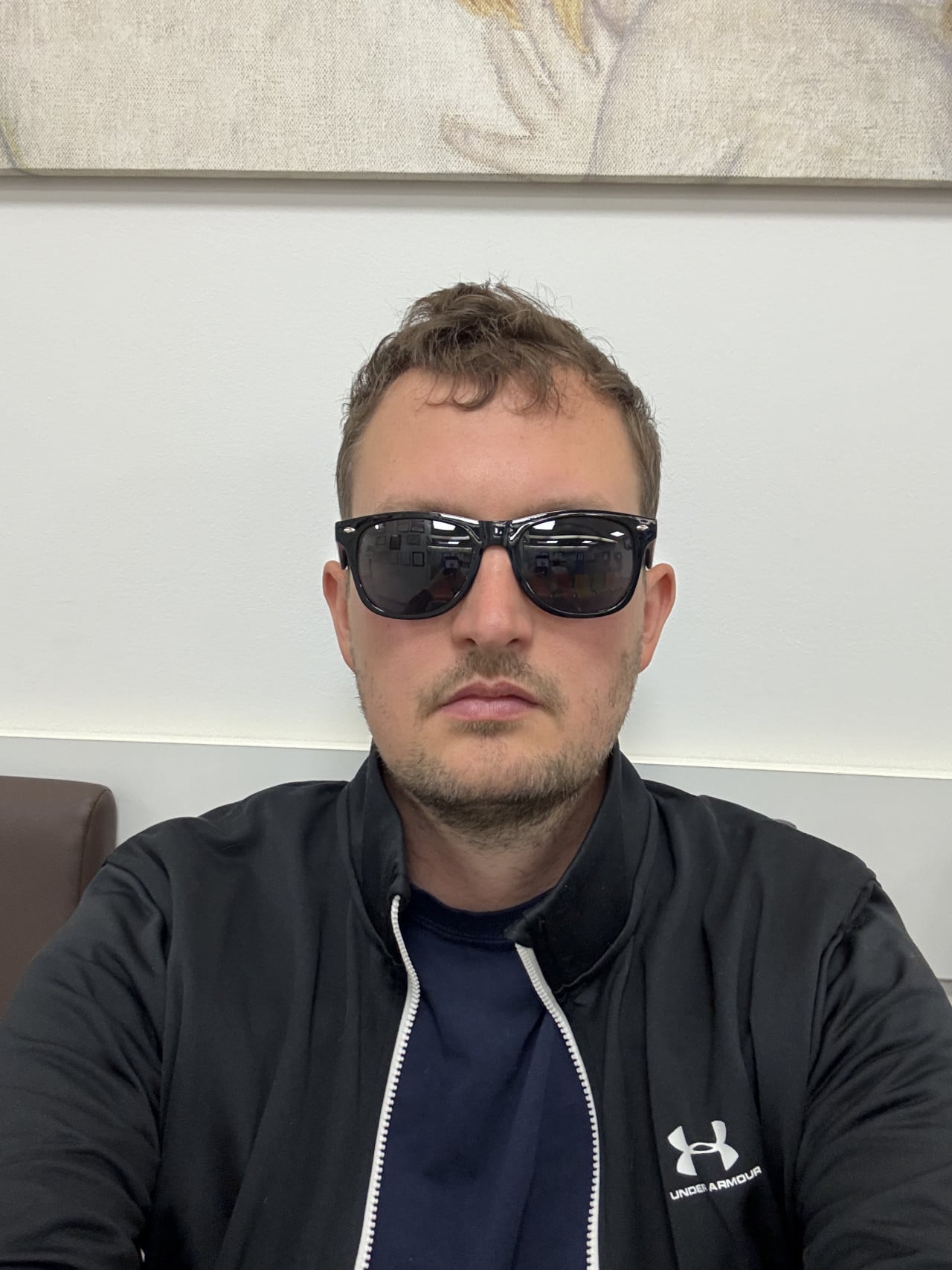
Immediately after the procedure, I felt a little out of it. I was tired, and my eyes felt strange—not painful, just “weird.” I had to put on sunglasses because the light was quite intense.
But when I stepped out of the polyclinic onto the street, something happened that I will never forget. I looked across the street, where there was a Z-Box parcel locker from Zásilkovna, and suddenly I could read the word “Zásilkovna” completely clearly.
Literally 15 minutes after surgery, I could read text in the distance that I had seen as nothing more than a blurry patch my entire life. I thought to myself, “This is absolutely unbelievable.”
The chief physician warned me that my vision would continue to adjust gradually—the brain has to get used to the new situation, and the cornea heals over several weeks, but vision becomes fully stable after one or two months, sometimes even three.
I went home by Uber—you are not allowed to drive after surgery—and when I got home, I went straight to bed and slept for about two hours. I then avoided looking at any screens, including my phone, for the rest of the day.
The first few days: drops, dry eyes, and restrictions
For the first two or three days, my eyes felt quite strained and were very dry. And now we finally come to why learning to apply eye drops was essential—I had to use them very frequently indeed.
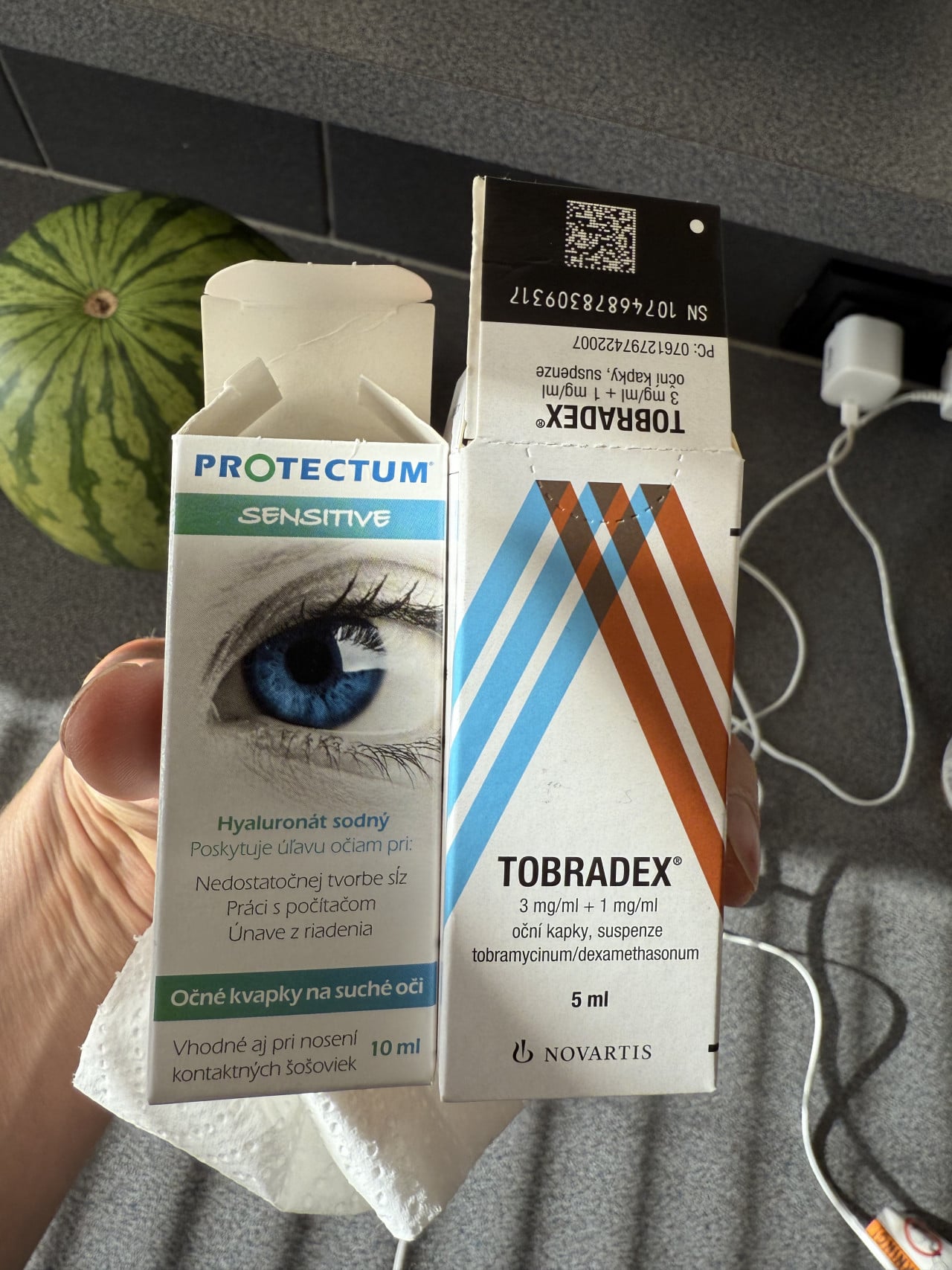
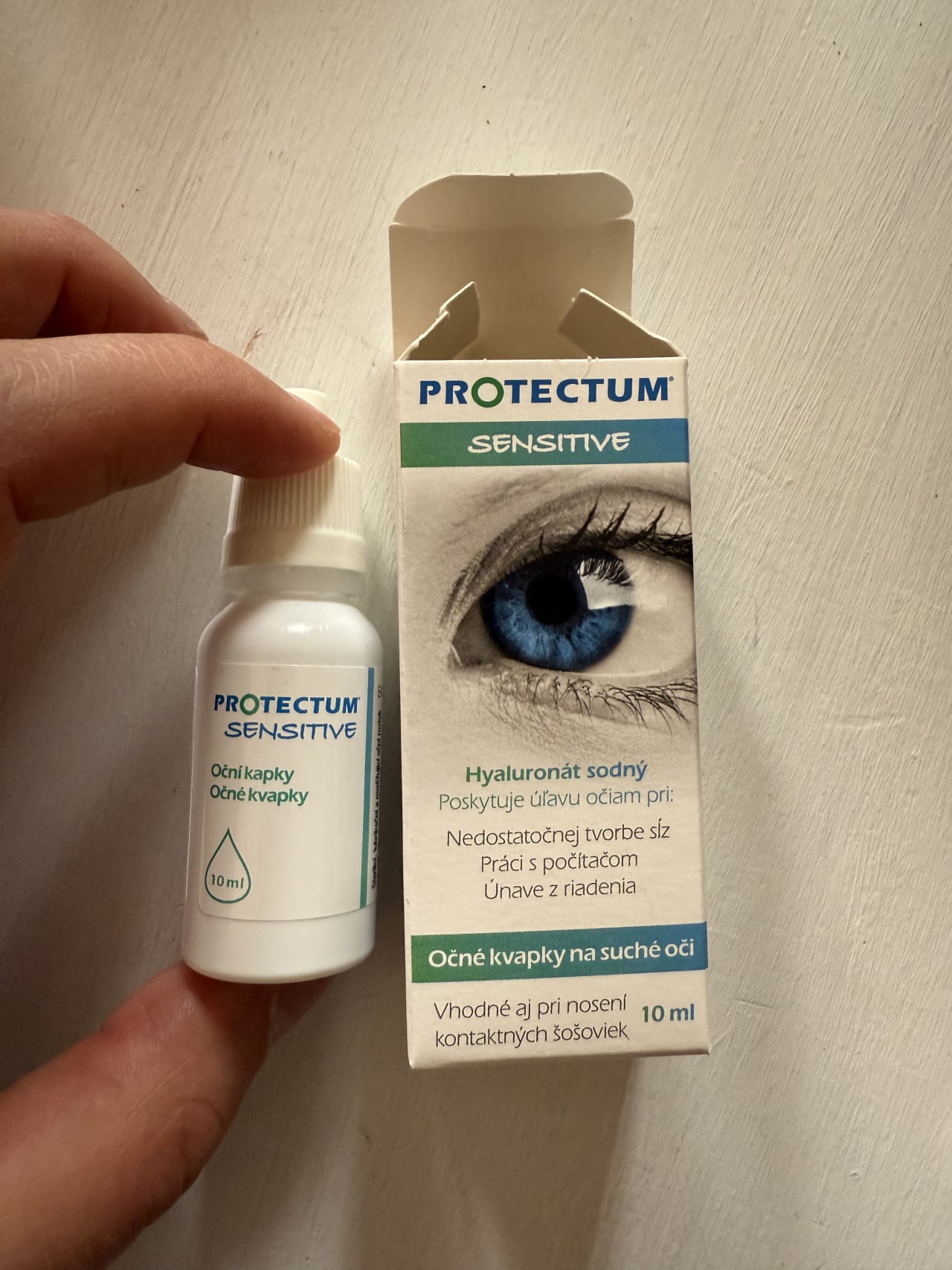
I was given two types of drops:
-
Tobradex (a combination of the antibiotic tobramycin and the corticosteroid dexamethasone)—to prevent inflammation and bacterial infection; I used it for about a week.
-
Protectum Sensitive (artificial tears containing sodium hyaluronate)—for dryness. I tried various brands, and Protectum Sensitive seemed by far the gentlest and most pleasant to me. I still use them today, although only in the morning and evening, mostly because they feel pleasant and are good for my eyes.
During the first few days, I applied drops every 30 minutes, and later five to six times a day. At work in an office, where you look at a monitor all day, that is quite a lot, but it helped me.
During the first week, I also:
-
was not allowed to go into a swimming pool, the sea, or a pond (because of chlorine and bacteria),
-
could shower normally; I just made sure that water did not spray directly into my eyes,
-
tried to limit screen time—I did not look at a screen at all on the first day; I was already working on the second day, but after an hour of work I had to take a break of at least 20 minutes.
For the first two or three days, I also had trouble seeing up close—the chief physician had warned me in advance that this was normal and that it would settle down within one or two weeks. And that is exactly what happened.
The only unusual issue that lasted for about 3–4 weeks was that when looking at something very far away (such as a billboard), I saw the text slightly doubled. The brain needs to get used to suddenly “reading” an image from a cornea with different optical properties than it had been accustomed to for years. After about a month, this disappeared completely.
Check-ups and gradual healing
The 24-hour check-up went perfectly—there was no inflammation, and the cornea was healing beautifully.
The one-month check-up was crucial for me because I was preparing to fly to Miami. The chief physician told me that the cornea had healed together so beautifully that you could no longer even tell it had been operated on, and that I could safely swim in the sea.
The six-month check-up confirmed that everything was absolutely fine.
The sensation of “dry eyes” gradually disappeared completely, with the first 3–4 months being the worst. After that, I only reached for the drops occasionally—usually only in the morning and evening, as it had become something of a ritual for me.
Incidentally, I also bought blue-light-blocking glasses for computer use to reduce the strain on my eyes as much as possible. They are not essential, but after a full day of programming, my eyes feel more rested than they do without them.
One year later—the result and what surprised me
And now for the best part. Today marks exactly one year since the surgery, and I can see absolutely perfectly. Without glasses, without drops, without anything.
What may be most interesting is that the check-up showed that my eyesight is 0.25 diopters better than the “ideal” level of 0. That means I can see more sharply than the average person with healthy vision. A simple story illustrates what this means in practice—in February, my friend Štěpán and I were in Miami, and at one point we were looking at something in the distance. I could perhaps see it even better than he could, despite his having no prescription 🙂. Just one year ago, I would not even have considered this theoretically possible. I also have to mention one more interesting thing: even with glasses, I could not see as well before as I can now after the surgery.
Something worth mentioning—not everyone is eligible for surgery
Something I greatly appreciated about NeoVize was their approach to risk assessment. Chief Physician Skorkovská openly states that they do not recommend surgery to everyone. If the initial examination reveals that a patient has, for example, a cornea that is too thin or irregularly curved, a high refractive error, or another contraindication, they simply will not approve them for surgery. In such cases, they can offer another solution, such as implantation of an ICL phakic intraocular lens.
I do not consider this a negative in the slightest—quite the opposite. It is a sign that the people at NeoVize are not “surgery salespeople,” but doctors who take responsibility. And if you visit a clinic that promises immediate surgery despite increased risks, you should be wary.
You also receive a lifetime warranty with the surgery, so if, God forbid, your eyesight deteriorates over time, they will correct it again free of charge.
Quality of the technology—a small but interesting detail
Before I made my decision, I shared on Facebook that I was considering NeoVize Brno. An incredible number of people—more than 10—contacted me, some of whom had undergone surgery as long as 10 years ago, and they all agreed on how satisfied they were. In fact, I had not even known that some of them had ever worn glasses.
An acquaintance who works in the industry and supplies technology to clinics told me that NeoVize ranks among the facilities with the very best laser equipment in the Czech Republic. Specifically, the Carl Zeiss VISUMAX 800 laser used to perform NeoSMILE Pro is one of the most advanced femtosecond lasers in the world.
I also found it interesting that NeoVize Brno is an accredited training facility for doctors recognized by the Czech Ministry of Health, is a proud holder of ISO 9001:2015 certification, and has been an Alcon reference center since 2014. This is not an ordinary clinic—future ophthalmologists are trained here.
In conclusion—I would do it again without hesitation
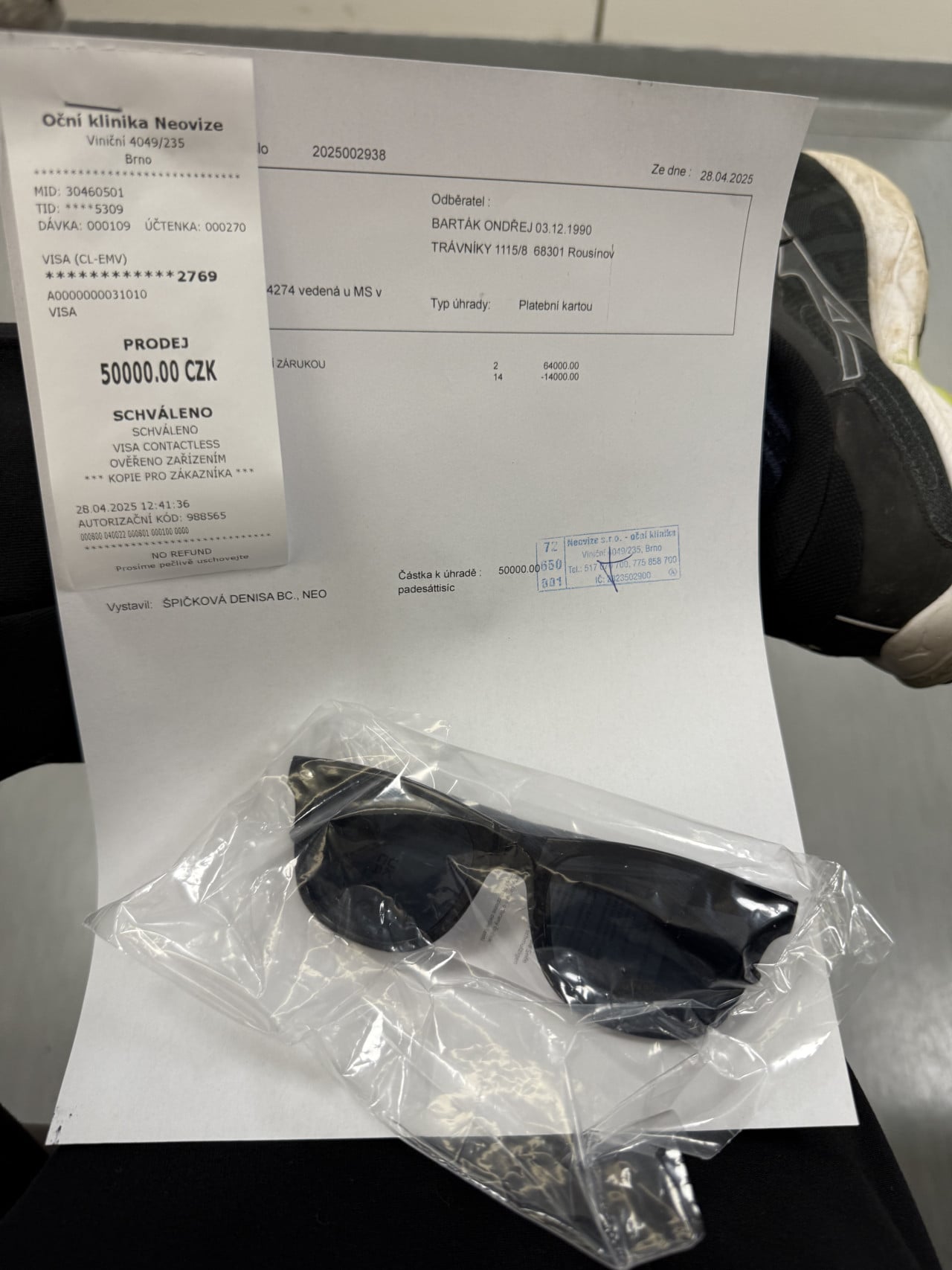
To sum it up: I would do it again, anytime, without hesitation. The cost (roughly CZK 50,000–60,000) paid for itself within a few months simply through the frustration with glasses that I no longer had to endure. And the feeling of waking up in the morning and simply being able to see is absolutely priceless. Not to mention sports such as skiing.
What I would highlight:
-
The professionalism of the staff—from reception and the nurses to the optometrists and the chief physician herself.
-
State-of-the-art technical equipment—Carl Zeiss VISUMAX 800, Pentacam, OCT.
-
Chief Physician Skorkovská’s personal approach—she is a true authority in her field and is also incredibly easy to communicate with. An acquaintance who works at St. Anne’s University Hospital also told me that the associate professor is among the most active and highly regarded lecturers and experts in the field.
-
Postoperative care—check-ups at clearly defined intervals, the ability to call at any time, and everything is explained.
-
Integrity—they do not operate on everyone; they assess the risks and, if necessary, offer another solution.
If you are considering laser eye surgery and are looking for a clinic in Brno, I recommend NeoVize Brno and Associate Professor Skorkovská 100%. It is an investment that I have not regretted once over the past year.
And if you have any specific questions about the surgery, feel free to contact me—I will be happy to share any details I may have forgotten to include in this article.
PS: A video I recorded 3 days after the surgery.