

New NASA and IBM AI Model Predicts Solar Storms
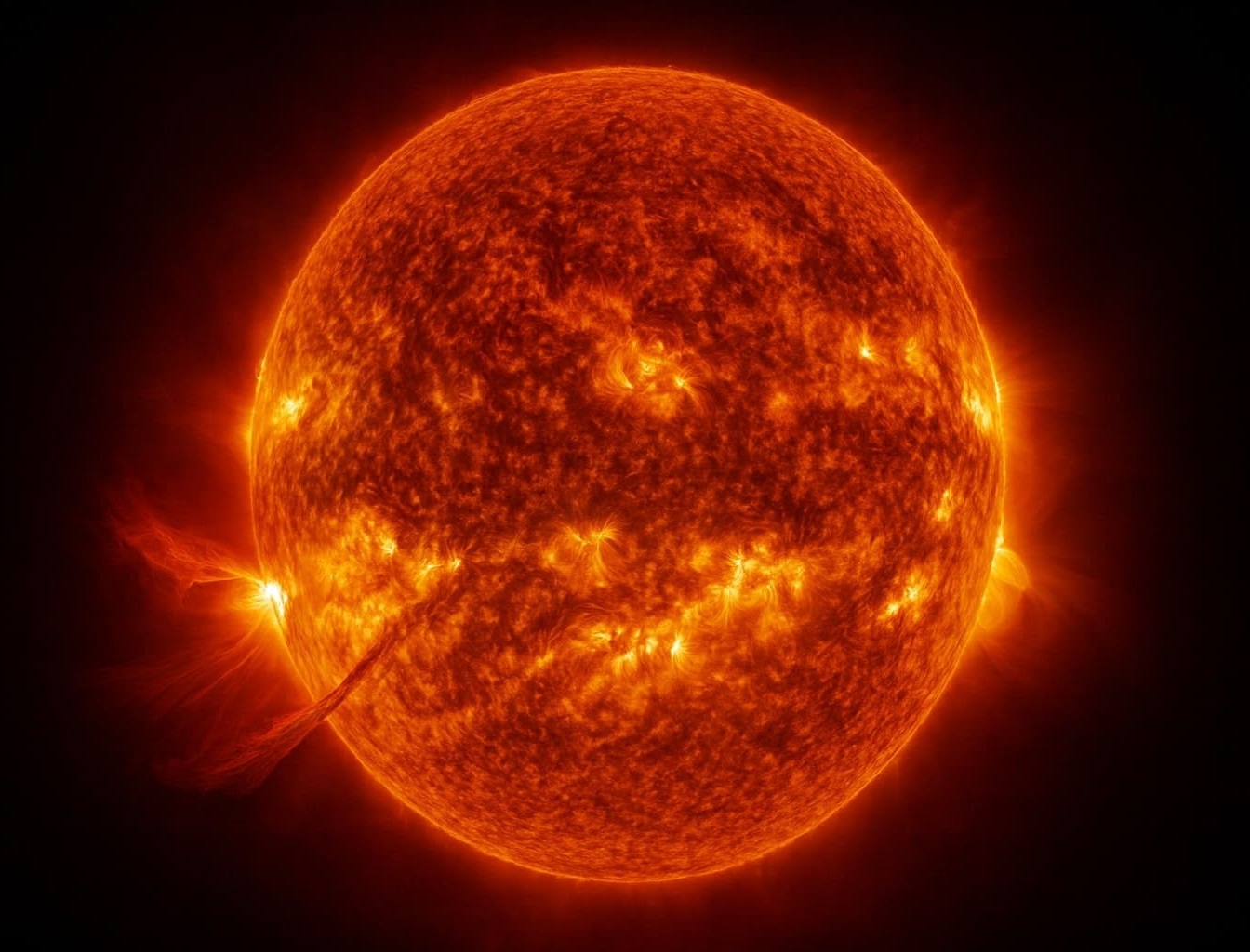
NASA recently introduced Surya, an artificial intelligence (AI) foundation model for heliophysics developed in collaboration with IBM and other partners. The model was trained on nine years of observations from the Solar Dynamics Observatory (SDO) satellite. Surya analyzes vast amounts of data about the Sun to help scientists better understand solar flares and predict space weather that threatens satellites, power grids, and communication systems. According to Kevin Murphy, chief science data officer at NASA Headquarters in Washington, the model incorporates NASA's deep scientific expertise into modern AI tools, enabling faster and more accurate analysis of the Sun's complex behavior.
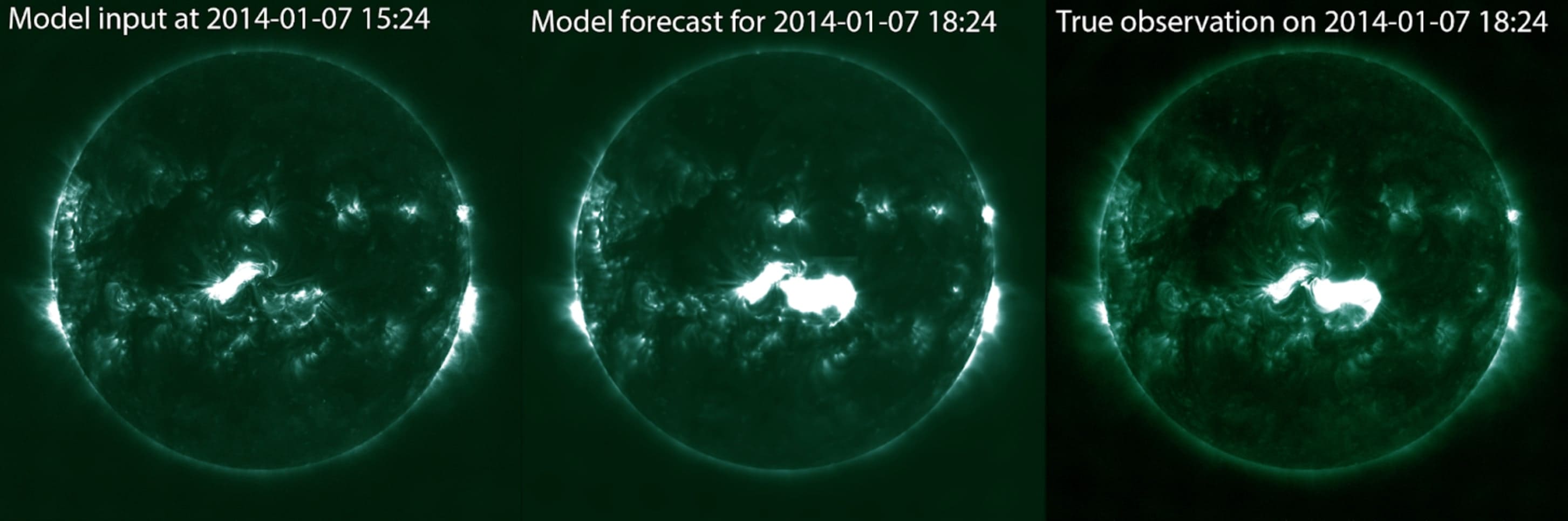
The Surya model is openly available on the Hugging Face and GitHub platforms, allowing scientists and developers to test and further develop it. Initial results show that Surya outperforms existing benchmarks by 16 percent in predicting solar flares. This is a major step forward because it predicts the visual manifestations of flares up to two hours in advance.
Model Development and Training
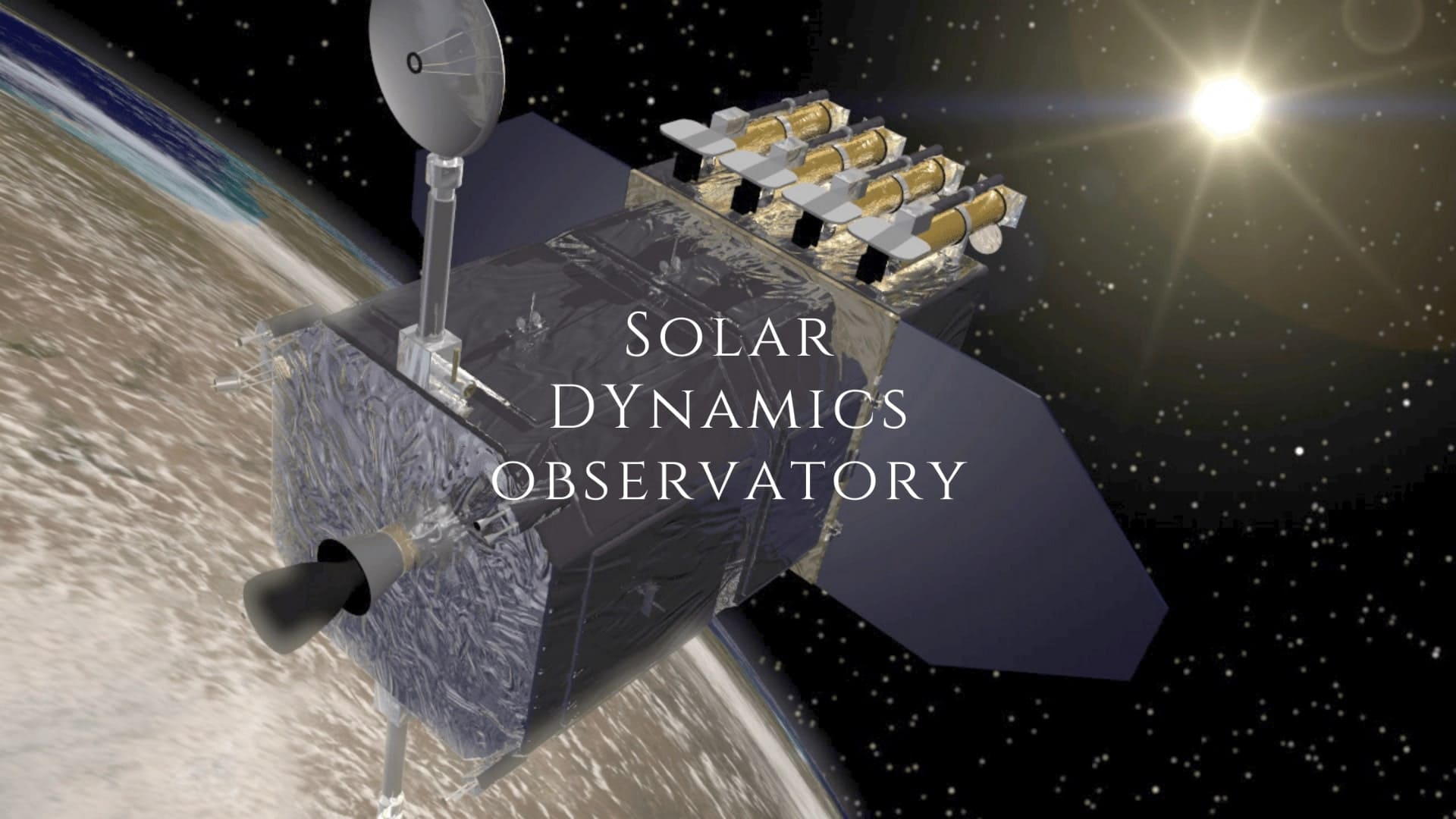
Surya is based on the long-term database of the Solar Dynamics Observatory satellite, which was launched in 2010 and has provided an uninterrupted, high-resolution record of the Sun for nearly 15 years. The satellite captures images every 12 seconds at several wavelengths and measures magnetic fields with high precision. This stable and well-calibrated data, covering an entire solar cycle, is ideal for training AI models because it makes it possible to identify subtle patterns in the Sun's behavior that shorter datasets would overlook.
The model learns directly from raw solar data without the need for extensive labeling. This makes it flexible for various tasks, such as tracking active regions on the Sun, predicting solar wind speed, or integrating data from other observatories, including the joint NASA-ESA Solar and Heliospheric Observatory mission and the Parker Solar Probe. The model's training was supported by the National Artificial Intelligence Research Resource (NAIRR) Pilot program, which provided advanced computing resources, including support from NVIDIA. According to Katie Antypas, director of the Office of Advanced Cyberinfrastructure at the National Science Foundation, the project brings together federal and industry resources to accelerate scientific discoveries.
Applications and Significance for Society
Solar storms pose a serious risk to our technology-dependent society. Powerful solar events energize Earth's ionosphere, leading to GPS errors or a complete loss of signal in satellite communications. They can also damage power grids by generating geomagnetically induced currents that overload transformers and cause widespread outages. In aviation, they disrupt radio communications and navigation systems and increase radiation exposure on high-altitude flights. For human spaceflight, such as missions to the Moon or Mars, accurate forecasts are essential so astronauts can take shelter from intense radiation during solar particle events.
Surya helps predict how solar ultraviolet radiation affects Earth's upper atmosphere and provides early warnings for satellite operators. According to Joseph Westlake, director of the Heliophysics Division at NASA Headquarters, applying AI to data from heliophysics missions is an important step toward protecting astronauts, spacecraft, power grids, and GPS systems. The model can also be adapted for other scientific fields, from planetary science to Earth observation.
Surya processes images of the Sun that are much larger than typical AI datasets and detects subtle solar features. In August 2025, the model set new benchmarks in solar flare classification and visual forecasting, confirming its potential for real-world applications in protecting technological infrastructure.
 a předpovědi Surya (dolní řada)1756111075.jpg)
Source: https://science.nasa.gov/


