


Technology giants such as Elon Musk and Sam Altman openly talk about a future in which artificial intelligence replaces most human workers. They promise an era of abundance and prosperity. But when someone asks them how people without jobs will survive, they are met with silence or vague answers. Economists and AI experts warn that we are approaching a dangerous paradox: a technology meant to create unprecedented wealth could also cause mass poverty.
AI pioneer warns of social catastrophe
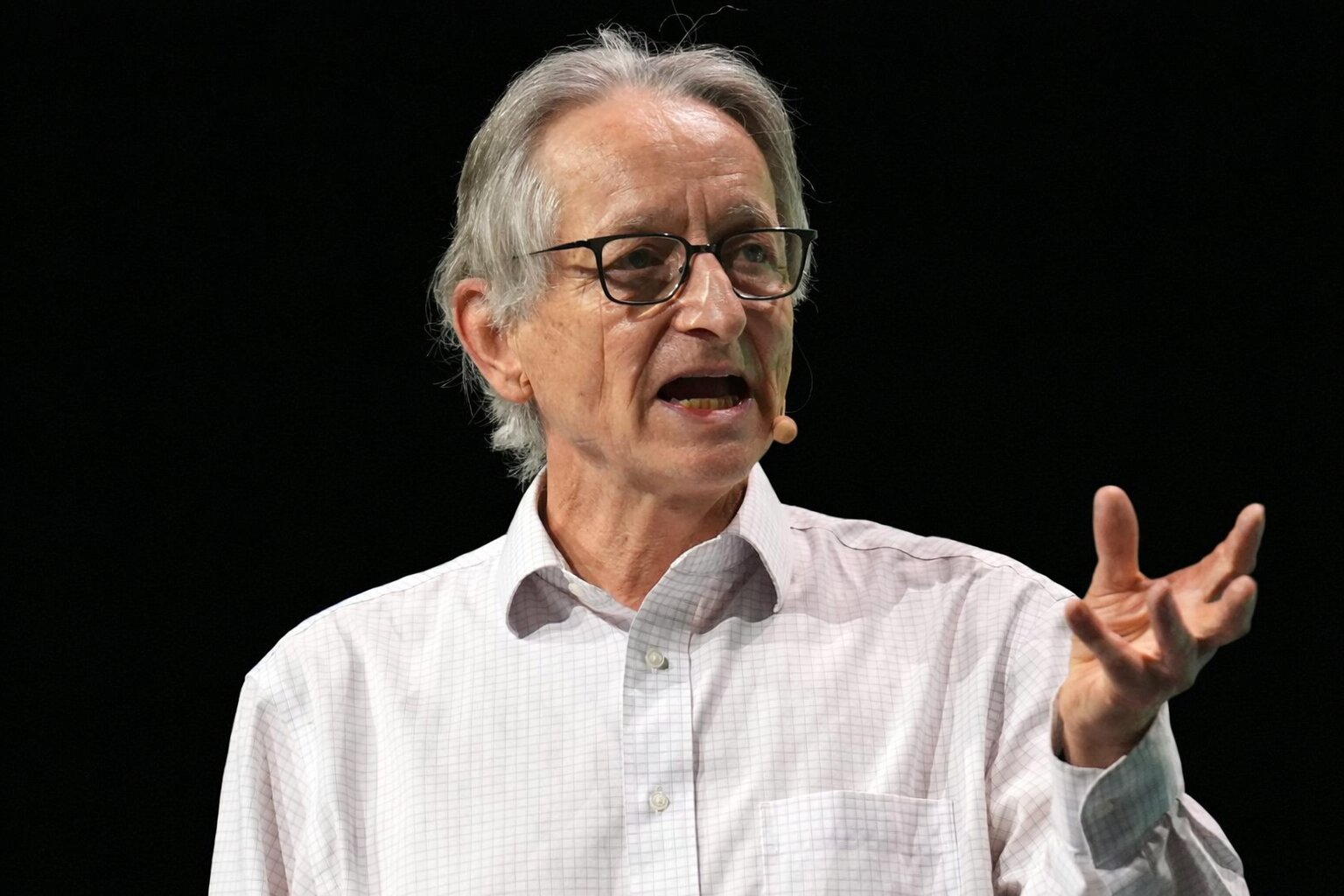
Geoffrey Hinton, one of the pioneers of neural networks and often described as the "godfather of artificial intelligence," said plainly at a conference last month: "It is clear that a lot of jobs will disappear. But it is not clear that a lot of new jobs will be created to replace them." Hinton, who has long warned about the social impact of AI, added a crucial point: "This is not a problem with artificial intelligence. It is a problem with our political system. If we achieve a massive increase in productivity, how will this wealth be distributed?"
This very question is becoming increasingly urgent as spending on AI becomes an integral part of the global economy. Technology corporations are investing hundreds of billions of Czech korunas in it, yet their leaders have no clear answer as to what will happen to people who lose their jobs.
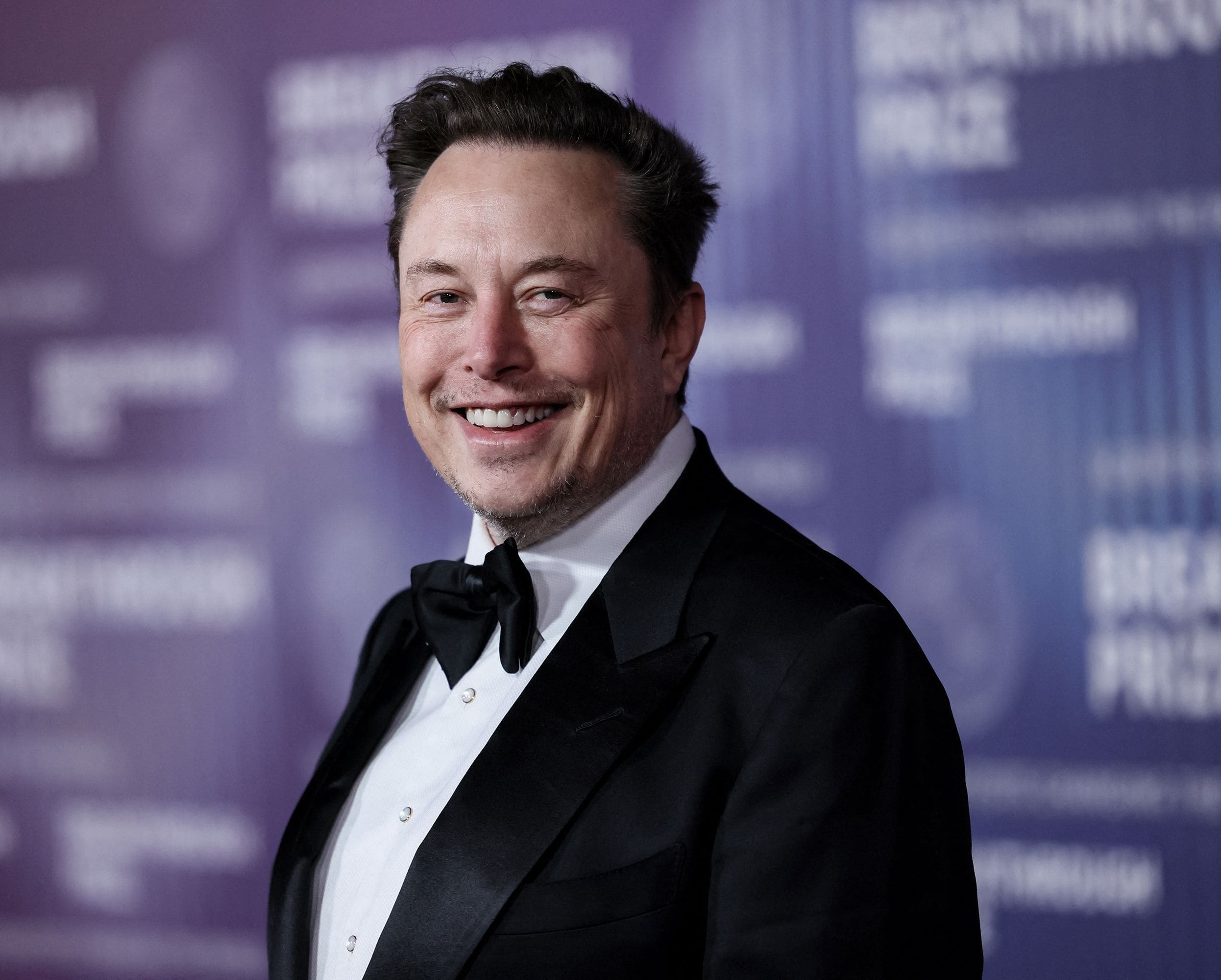
Musk's dreams of a universal high income
Elon Musk, the richest person on the planet, has repeatedly spoken in recent weeks about the concept of a "universal high income." According to this vision, every unemployed person would live comfortably on the prosperity generated by private corporations such as his own xAI. Musk even wrote on the X platform that "double-digit growth will arrive within 12 to 18 months" and that "triple-digit growth is possible in approximately five years" if applied intelligence becomes a proxy for economic growth.
The problem, as John Cassidy of The New Yorker pointed out, is that such material abundance for displaced workers will not be possible unless Musk and other billionaires agree to share their wealth. And as Martin Luther King Jr. wrote in his letter from Birmingham Jail: "It is a historical fact that privileged groups seldom give up their privileges voluntarily."
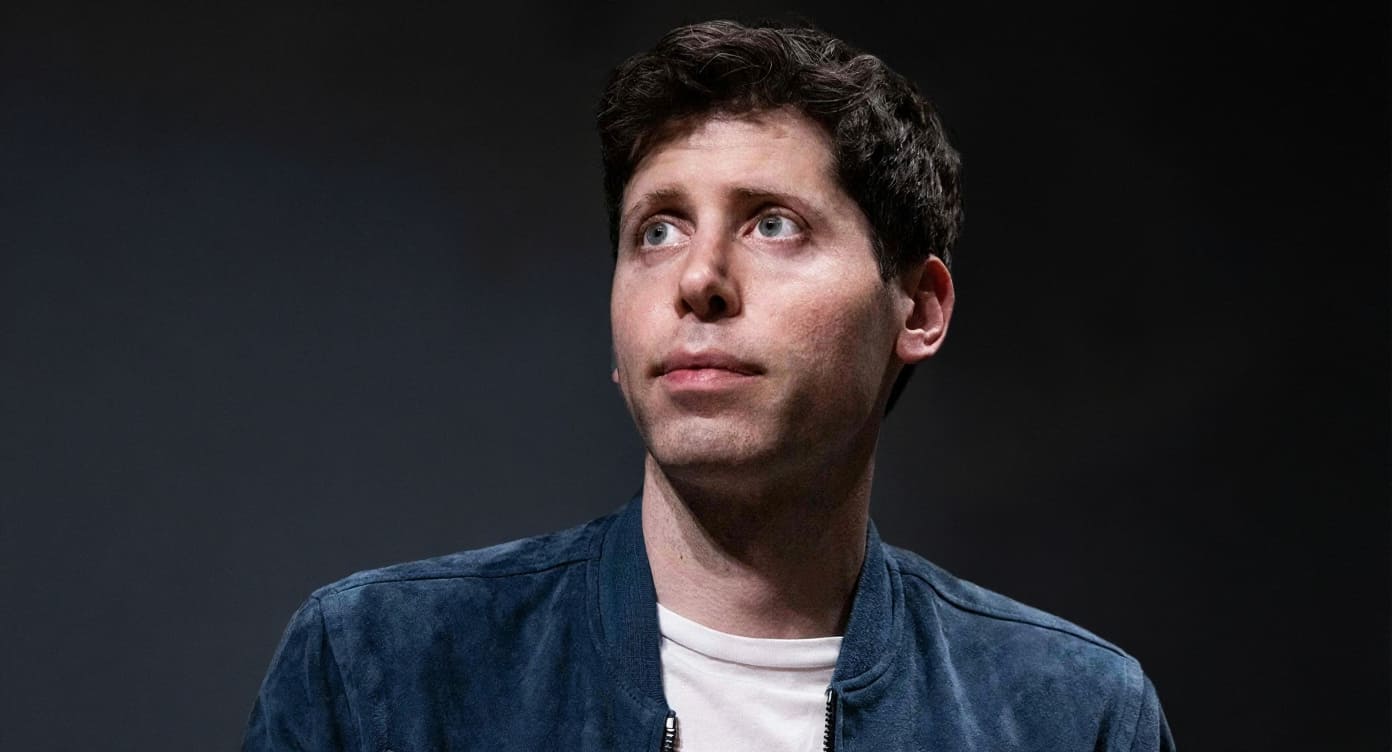
Altman promises extreme wealth for everyone
Sam Altman of OpenAI supported Musk's idea with his own vision of "universal extreme wealth," in which everyone would own equity stakes in every AI company. Mustafa Suleyman, co-founder of DeepMind and head of Microsoft AI, described AI as "fundamentally a labor-replacing tool," which he believes is acceptable because "in 15 or 20 years, we will be producing new scientific and cultural knowledge at almost zero marginal cost."
The reality is far more sobering
Economists, however, predict much more modest effects. Goldman Sachs estimates that AI will increase global gross domestic product by only seven percent over ten years. The Penn Wharton Budget Model is even more conservative, predicting a GDP increase of just 1.5 percent for the United States. For comparison, that is a long way from Musk's promises of triple-digit growth.
Boaz Barak, a Harvard computer scientist who also works for OpenAI, calculated that if AI created ten million "AI workers," GDP would rise by four percent. With one hundred million, it would rise by approximately fifty percent. Yet even these illustrative calculations run up against reality: in practice, AI's impact is limited by the number of jobs that can actually be automated.
Who will buy if no one has a job?
Economists Philip Trammell of the Stanford Digital Economy Lab and Dwarkesh Patel have highlighted a fundamental problem. If AI becomes readily interchangeable with human labor throughout the economy and worker shortages cease to be an obstacle to production, the stabilizing mechanism that keeps labor's and capital's shares of income relatively constant will disappear. The result? "Approximately everything will ultimately belong to those who were richest at the time of the transition, or to their heirs," the authors write.
Alex Imas, an economist at the University of Chicago Booth School of Business, points to another paradox: "If demand falls, there will be fewer customers, and even the most efficient AI-run business cannot succeed if people cannot afford to buy its products." Consumer spending is the main engine of the economy. If many people do not have a stable income from work, who will buy all the goods and services produced by AI agents and robots?
Solutions exist, but they require political will
As a solution, Imas proposes creating a sovereign wealth fund that would own stakes in companies profiting from the AI revolution and pay dividends to citizens. This would provide income and support aggregate demand. Trammell and Patel, meanwhile, support a global and highly progressive tax on capital, or at least on capital income, similar to what Thomas Piketty proposed in his book "Capital in the Twenty-First Century."
Dario Amodei, CEO of Anthropic, predicts that within five years AI could eliminate half of all entry-level white-collar jobs. Geoffrey Hinton adds: "It is clear that a lot of jobs will disappear. It is not clear that it will create a lot of jobs to replace them."
The debate over AI abundance is reopening fundamental questions about the ultimate purpose of technological progress and who benefits from it. While technology billionaires paint rosy visions of the future, economists warn that without fundamental changes in wealth distribution, the gains from AI will end up in the pockets of a narrow elite, while millions of people face uncertainty and poverty.


