

OpenAI completed its conversion into a public benefit corporation, a type of company that combines profit-making goals with public benefit. This process was completed on October 28, 2025, and allowed Microsoft to acquire a 27% stake in the newly structured company. OpenAI's total value is estimated at approximately $135 billion, equivalent to roughly CZK 3.15 trillion. OpenAI's nonprofit arm, now renamed the OpenAI Foundation, retains legal control over the public benefit corporation and holds a stake worth $130 billion, or about CZK 3.03 trillion.
This transition concluded nearly a year of negotiations with authorities in California and Delaware that regulate nonprofit organizations. OpenAI had to address concerns from the philanthropic community and investors about whether it would remain true to its original mission of developing artificial intelligence for the benefit of humanity. The new structure will make it easier for OpenAI to raise funds and attract talented employees. It also opens the door to a potential public offering of shares in the future.
Microsoft's Role in OpenAI
Microsoft, OpenAI's long-standing partner, now owns 27% of the new public benefit corporation. This stake comes with a revised agreement that eliminates Microsoft's previous exclusive right to be OpenAI's default cloud services provider. Instead, OpenAI has committed to purchasing $250 billion worth of Azure services. Microsoft will retain exclusive rights to OpenAI's intellectual property until 2032.
Microsoft shares rose 2% following the announcement, pushing the company's total value above $4 trillion, or more than CZK 93.2 trillion. KeyBanc Capital Markets analyst Jackson E. Ader noted that Microsoft's initial investments in OpenAI were made without fully realizing how significant an impact OpenAI would have on the software and artificial intelligence ecosystem. In an interview with TBPN, Microsoft CEO Satya Nadella emphasized that Microsoft is focused on its role as a platform company with many partners, including OpenAI, Anthropic, and Grok, and is also open to collaborating with Google on the Gemini model.
Changes at OpenAI
OpenAI is facing lawsuits from Elon Musk's xAI and other parties alleging that the company departed from its nonprofit mission when transitioning to a for-profit structure. The previous model allowed investors such as Microsoft to share in profits, but with a cap of 100 times the investment for early investors, while any surplus was intended to go to the nonprofit arm.
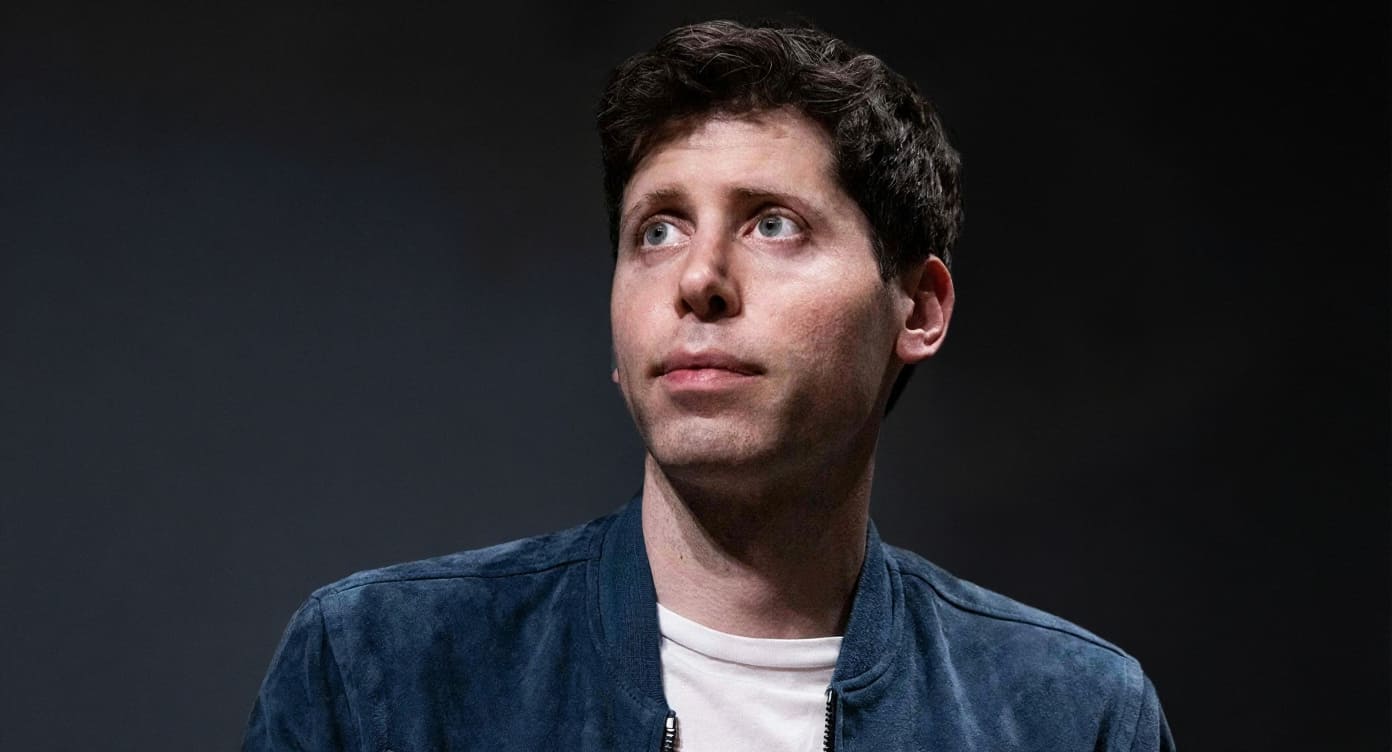
OpenAI CEO Sam Altman will not hold any stake in the new structure. The idea for the transition emerged after he was temporarily dismissed by the nonprofit board in 2023 and subsequently reinstated. The OpenAI Foundation is now committing an initial $25 billion (about CZK 583 billion) to healthcare and artificial intelligence resilience, plus $50 million (about CZK 1.17 billion) to support nonprofit organizations announced earlier in the year.
The Companies' Mutual Influence
OpenAI's transition was crucial to securing funding because some investors had the right not to fulfill their commitments in full if the conversion was not completed by the end of the year. Microsoft has invested a total of $13.75 billion (about CZK 320 billion) in OpenAI since 2019, and the value of this investment has increased nearly tenfold.
The relationship between Microsoft and OpenAI has experienced tensions, including disputes over control, during which OpenAI considered turning to antitrust authorities. Microsoft now uses models from rival Anthropic in its 365 tools and is developing its own models independently of OpenAI. Satya Nadella recently delegated some responsibilities to a deputy so that he could focus more on technical work in artificial intelligence and data centers.
Source: wsj.com


