Artificial intelligence holds great promise for medicine. Faster diagnoses, better drugs, more accurate predictions of disease progression. But it faces one major problem that is rarely discussed: simply missing data. Not always, not everywhere, but precisely where its absence would hurt the most. With rare diseases, unusual conditions, and specific populations. So what can be done about it?
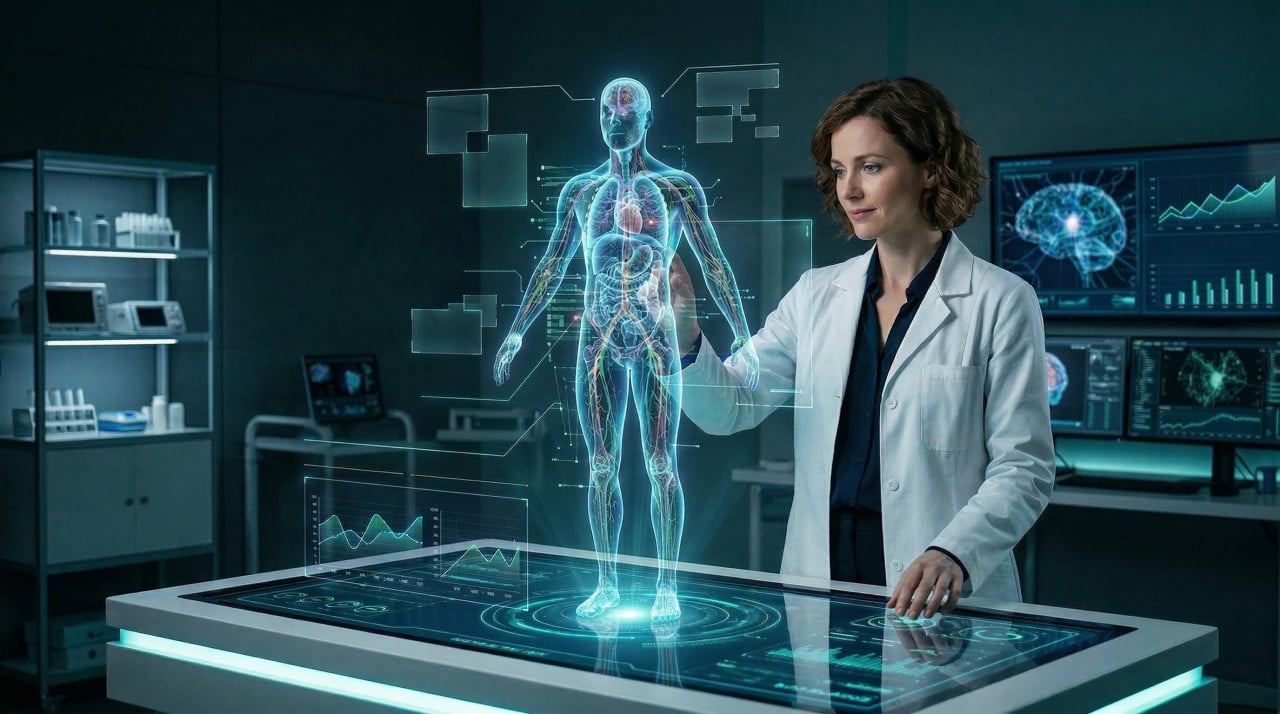
New York startup Mantis Biotech has come up with an answer that sounds a bit like science fiction but works surprisingly well. It is building virtual copies of the human body, known as digital twins, on which scenarios that either do not exist in the real world or cannot be tested for ethical reasons can be explored.
How to Build a Human from Data
Mantis's platform first collects data from wherever it can find it. Textbooks, motion-capture recordings, biometric sensors, training records, medical imaging. Using a large language model, it then turns all of this into a consistent data foundation, which is fed into a physics-based simulation engine. The result is realistic models of human anatomy and physiology on which predictive analyses can be run.
The physics layer is crucial here. Without it, the platform would be dealing only with static data. Thanks to this layer, it can generate entirely new scenarios, such as estimating the hand movement of a person who is missing a finger. Such a dataset could not be assembled in the real world because publicly available records simply do not exist. Mantis generates it in a few seconds. CEO and founder Georgia Witchel explained it to TechCrunch as follows: “We take the physics model, tell it to remove finger X, regenerate the model, and that's it.”
It is a bit like playing with a doll. Witchel herself compared it to a three-year-old child holding Barbie by the leg and banging her against a table. That is exactly how she wants scientists and doctors to approach digital twins. Without fear, without restraint. Test them, break them, experiment with them.
From the NBA to Rare Diseases
So far, Mantis has had its greatest success in sports. One of its main customers is an NBA team. And that makes sense. Professional sports generate enormous amounts of performance data that can be used to build accurate models. An athlete's digital twin tracks every jump over the course of a year, comparing it with sleep duration, the frequency of shoulder overuse, and training load. The result is a prediction of when an Achilles tendon injury is likely to occur. Before it even manifests.
This is exactly the type of prediction that sports medicine has been seeking for years. And similar logic can be applied in hospitals. Rare diseases suffer from a chronic lack of data. There are patients, but not many of them. Ethical constraints prevent their inclusion in training datasets. Mantis elegantly sidesteps this problem: virtual patients do not violate anyone's privacy, yet they simulate real physiological processes.
The Science Behind the Project
A research paper published by the company describes how physics-based synthetic data can improve the accuracy of predictive models. One specific example comes from pandemic modeling, where the platform uses the SEIR compartmental model, a classic epidemiological tool.
The results are interesting: the combination of physics-based simulation and language-model-generated text improved prediction accuracy by more than eight percentage points compared with training on real-world data alone. However, the test also revealed one important caveat: the numbers and text must be mutually consistent. As soon as physics-simulated numbers are paired with unrelated textual context, the model becomes confused and the results deteriorate sharply. Mantis solved this problem by generating both components simultaneously.
$7.4 Million and Big Plans
The startup recently closed a $7.4 million seed funding round. The money will go toward hiring, marketing, and developing its business strategy.
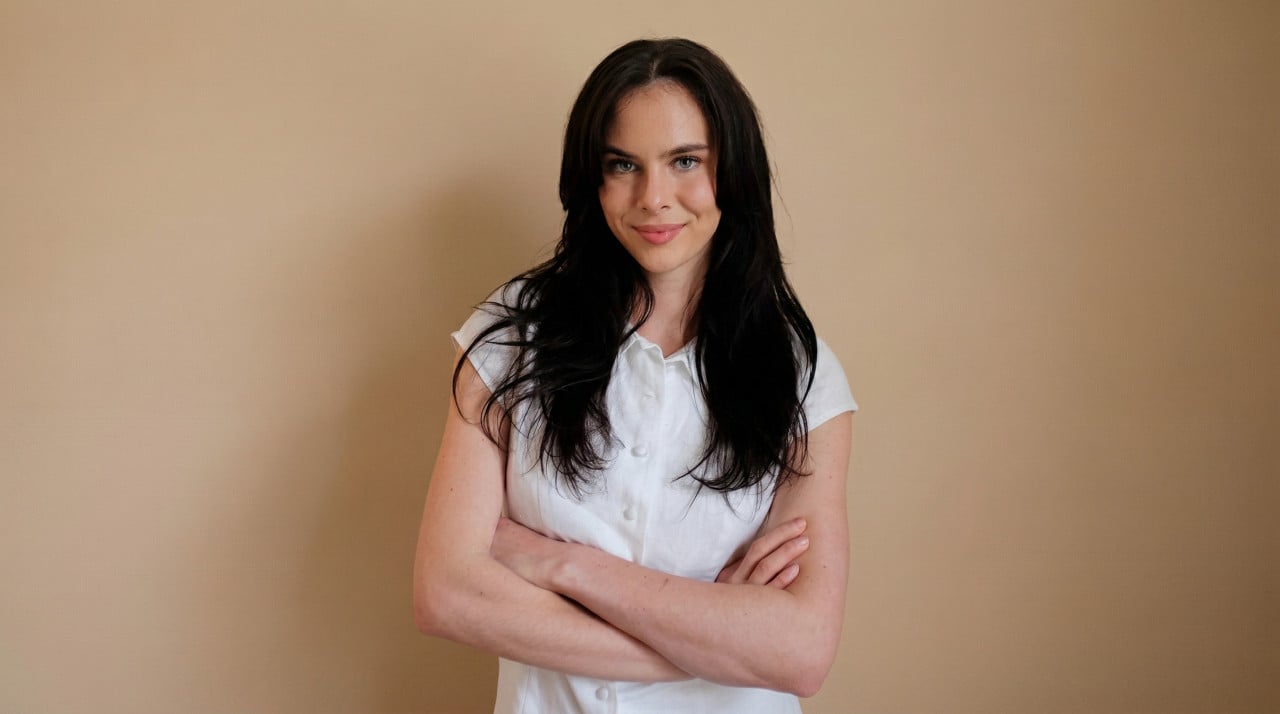
Witchel, who is only twenty-four years old, has a clear vision. Sports is a springboard, but the goal is preventive healthcare for the public and collaboration with pharmaceutical laboratories on clinical trials. The platform could help estimate how patients will respond to treatment before real-world trials even begin. This could speed up approval processes for new drugs and reduce research costs.
Witchel does not shy away from the issue of privacy; on the contrary, she places it at the heart of her argument. Digital twins are not merely a substitute for missing data; they are a way to conduct research without having to access real, sensitive patient data. No data theft, no ambiguous consent, no gray areas.
Time will tell whether this approach works as smoothly in practice as the company claims.