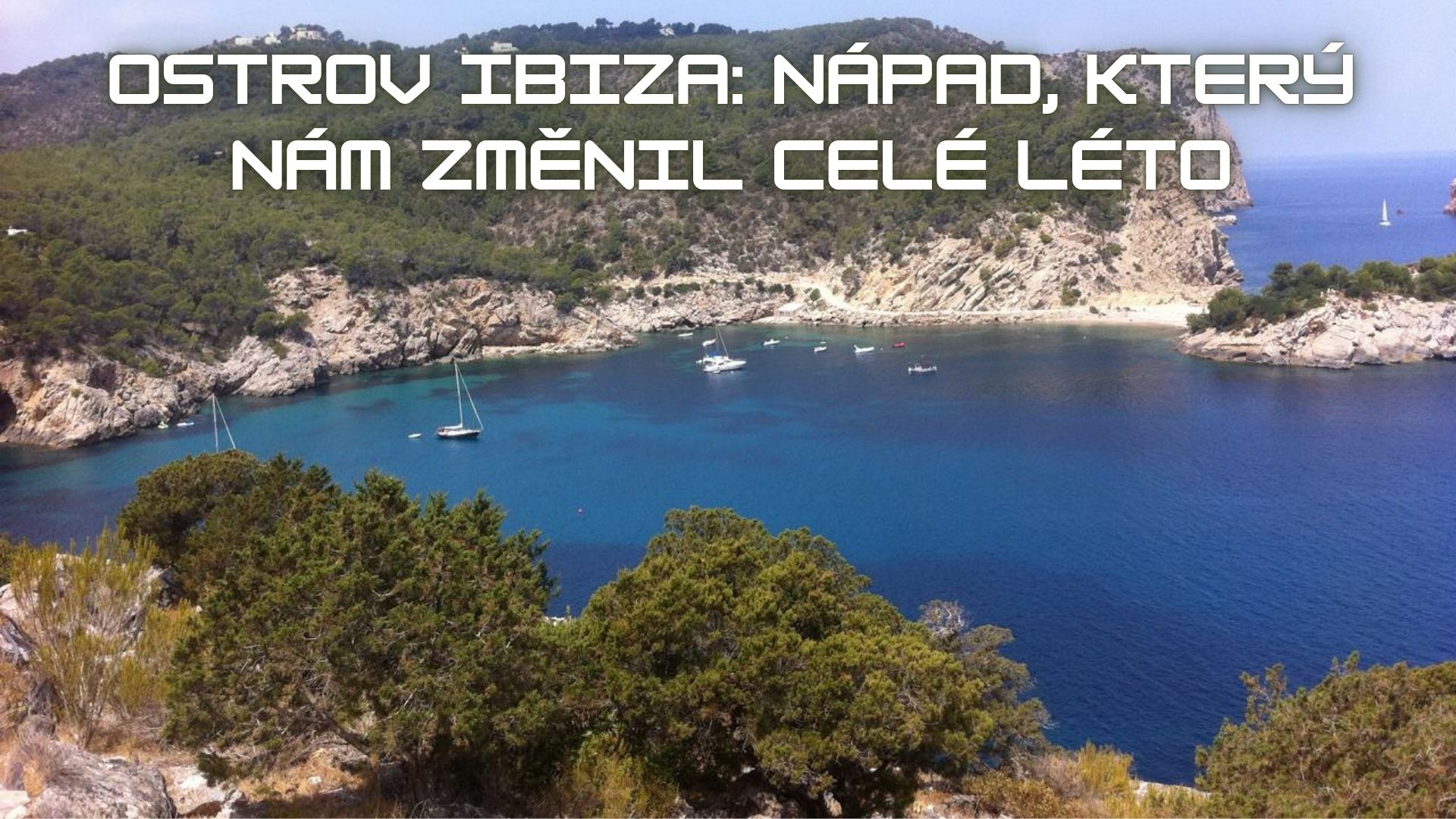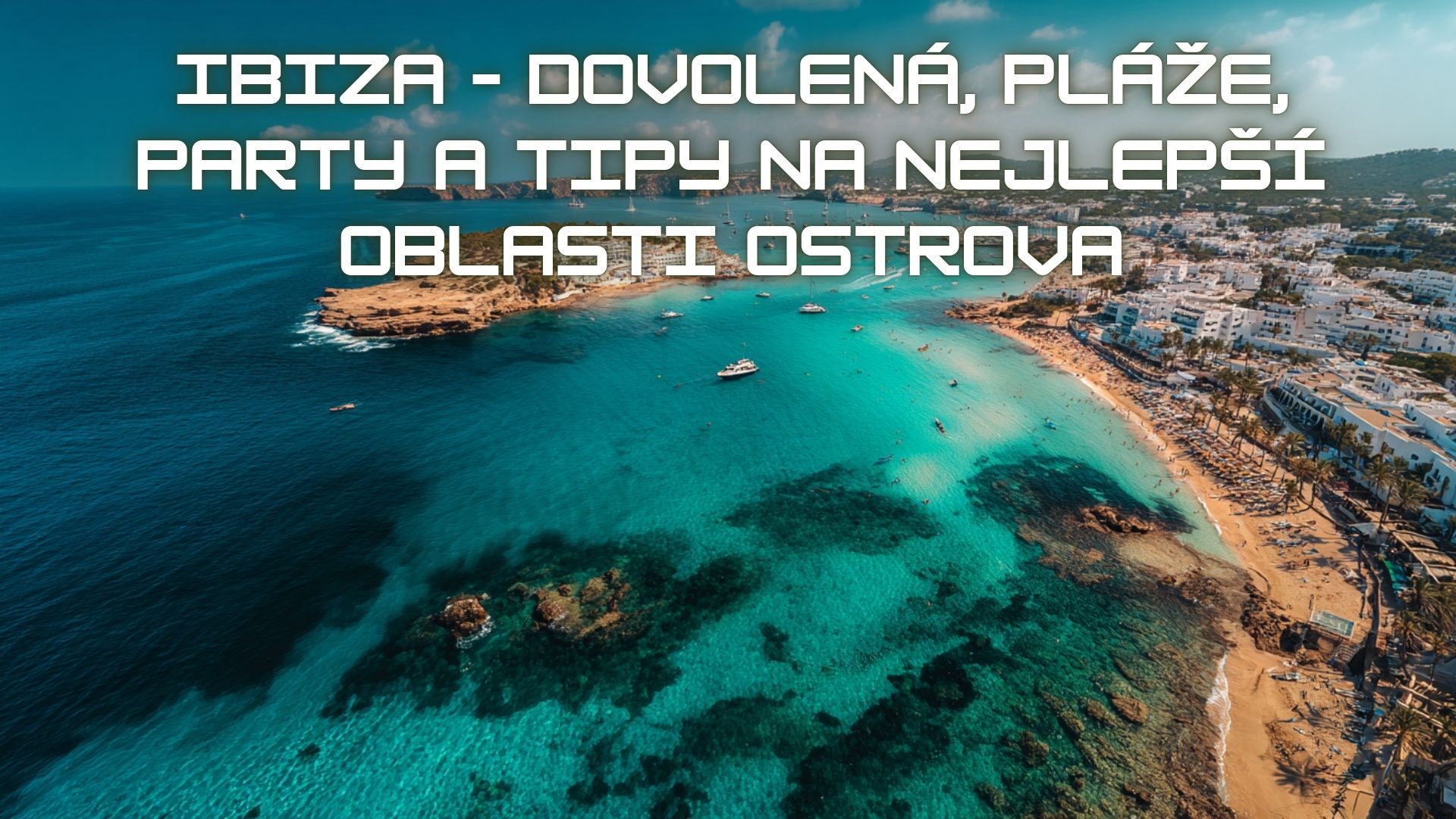
Ibiza is an island that can surprise you. Most people associate it exclusively with electronic music and all-night partying, but the reality is much more diverse. Here you will find peaceful coves lined with pine forests, UNESCO-listed historical monuments, and family resorts with entertainment programs. In this guide, we will show you how to plan an Ibiza vacation exactly to your liking—whether you are looking for world-class nightlife, romantic sunsets, or safe beaches for families with children.
I wrote about my own stay on the island of Ibiza in the article: "Ibiza: the idea that changed our entire summer".
Quick overview: why visit Ibiza this year
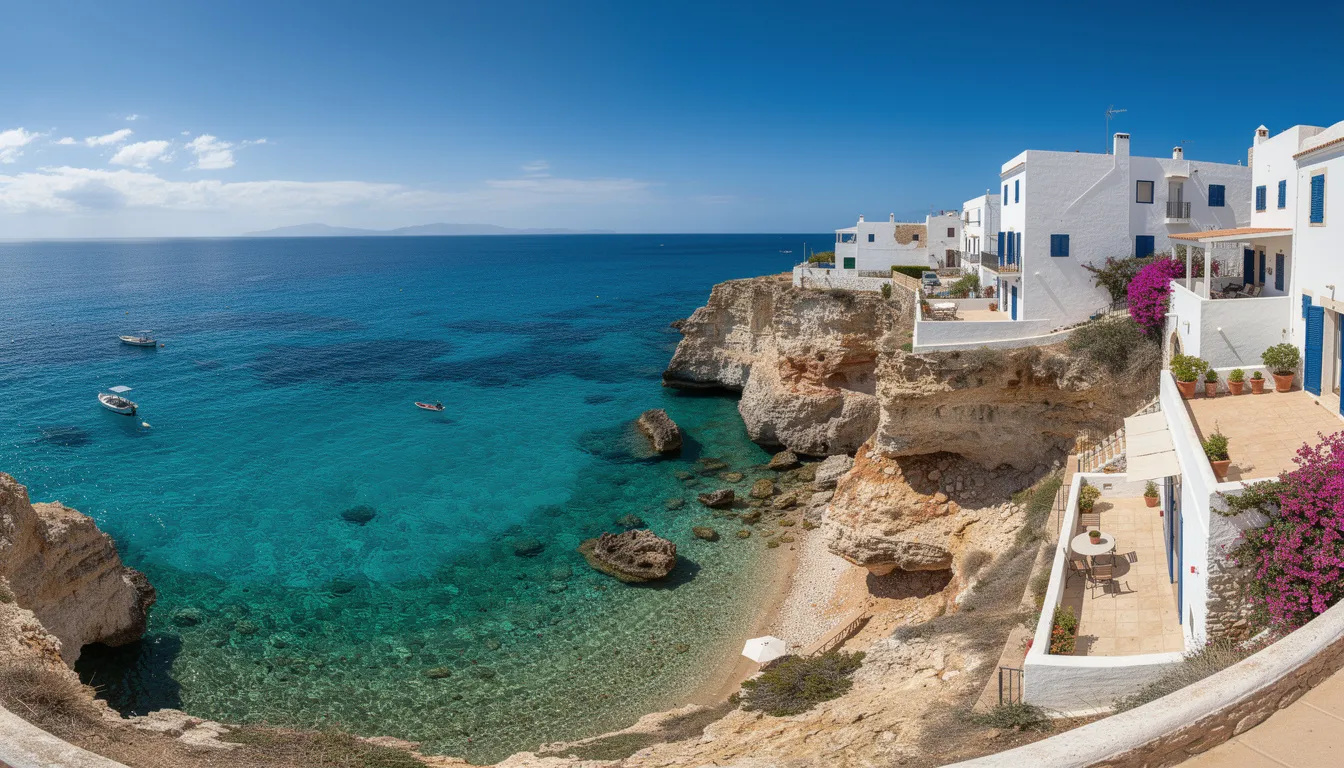
Ibiza combines famous nightlife, beautiful beaches, and peaceful coves—and it is ideal for young people, couples, and families alike. Unlike neighboring Mallorca or Menorca, it has the highest concentration of world-famous clubs, as well as the greenest landscape in the Balearic Islands, with dozens of hidden coves surrounded by pine groves.
Looking for specific figures? Ibiza is the third-largest island in the Balearics, with an area of approximately 571 km² and a population of around 150,000 permanent residents. The capital, Eivissa (often referred to as Ibiza Town), is the heart of the island—home to the historic port, cultural monuments, and the gateway to the nightlife scene.
DJ residencies are once again planned at clubs such as Pacha, Ushuaïa, and Hï Ibiza in summer 2026, so the peak season will traditionally be very lively. If you are planning to travel from the Czech Republic, expect direct or one-stop flights from Prague or Vienna—the flight takes approximately 2.5–3 hours, making Ibiza an easily accessible destination for both a long weekend and an extended vacation.
Ibiza at a glance: essential information about the island
Ibiza is located in the western Mediterranean Sea and is part of Spain, specifically the autonomous community of the Balearic Islands. It is only 80 km from mainland Valencia, making it easily accessible by ferry and plane.
The capital, Eivissa, serves as the island’s administrative, cultural, and tourist center. Its port is a departure point for boat trips, while Ibiza Airport (Aeropuerto de Ibiza) is located just 7 km from the city center. Together with the neighboring island of Formentera, Ibiza forms the archipelago known as the Pityusic Islands—ideal for day trips by boat to dazzling white beaches.
The official languages are Spanish and Catalan (the local variant is called Ibicenco), but English is widely spoken in tourist areas. Ibiza is known for its unique mix: world-class clubs, UNESCO sites including the fortified old town of Dalt Vila, hippie traditions dating back to the 1960s and 1970s, and dozens of resorts with different atmospheres, ranging from luxury resorts to family hotels.
When to visit Ibiza: weather and seasons
Ibiza has a typical subtropical Mediterranean climate with dry summers and mild winters. The average annual temperature is around 18.5–19 °C, the island enjoys more than 2,800 hours of sunshine per year, and annual rainfall reaches approximately 400–450 mm.
Summer (June–September) brings air temperatures that often range between 27–32 °C, while the sea warms to a pleasant 24–26 °C. This is the main clubbing season—with the biggest parties and best DJs, but also the largest crowds and highest prices. If nightlife is your main reason for visiting, summer is the obvious choice.
Spring and autumn (April–May, October) offer daytime temperatures of around 20–25 °C. The sea remains warm, especially in September and October, when swimming is still enjoyable. Fewer crowds mean lower prices and a more peaceful atmosphere—ideal for excursions and family vacations.
Winter (November–March) is mild in Ibiza, with temperatures around 12–16 °C, but expect more frequent rain and wind. Many hotels and clubs are closed during this period. On the other hand, the island is beautifully green and peaceful, making it ideal for hiking and exploring the interior.
Where to stay: an overview of Ibiza’s main areas
Despite the island’s relatively small size, each area has a distinctly different character—from noisy party resorts to almost rural tranquility. Choosing the right location is essential for an enjoyable vacation.
Northern Ibiza is a paradise for those seeking peace and nature. The area around Portinatx and San Miguel offers pine forests, romantic coves, and very few clubs. Here you will find hotels such as Balansat Resort in Puerto de San Miguel, which are ideal for families and couples looking to relax far from the noise.
Eastern Ibiza has a relaxed, alternative atmosphere. Santa Eulalia (Santa Eulària des Riu) is the island’s second-largest town, with a pleasant promenade and family-friendly restaurants. Nearby is Es Canar (Es Cana), home to traditional hippie markets. Popular hotels include Tropic Garden and Iberostar Selection Santa Eulalia—excellent choices for families with children.
Southern Ibiza is the center of nightlife. Playa d’en Bossa offers the island’s longest beach, lined with beach bars and clubs such as Ushuaïa and Hï Ibiza. Ibiza Town (Eivissa) combines historical monuments with a lively nightlife scene. The Ses Salines nature reserve is located in the Sant Jordi de ses Salines area. Popular hotels include Vibra Jabeque Soul, Vibra Algarb, and The Ibiza Twiins.
Western Ibiza around Sant Antoni de Portmany (San Antonio) offers a mix of peaceful and lively places. The area is famous for romantic sunsets, which you can watch from the bars along the Sunset Strip. Hotels such as Vibra S’Estanyol, Vibra San Remo, and Bahia Playa in Port d’es Torrent provide a good base for exploring the western coast.
Top beaches and nature: where to enjoy the sea and views
Ibiza has not only urban beaches near hotels, but also romantic coves and protected natural areas with breathtaking sea views. Thanks to its size, you can visit dozens of different beaches in a single week—each with its own unique character.
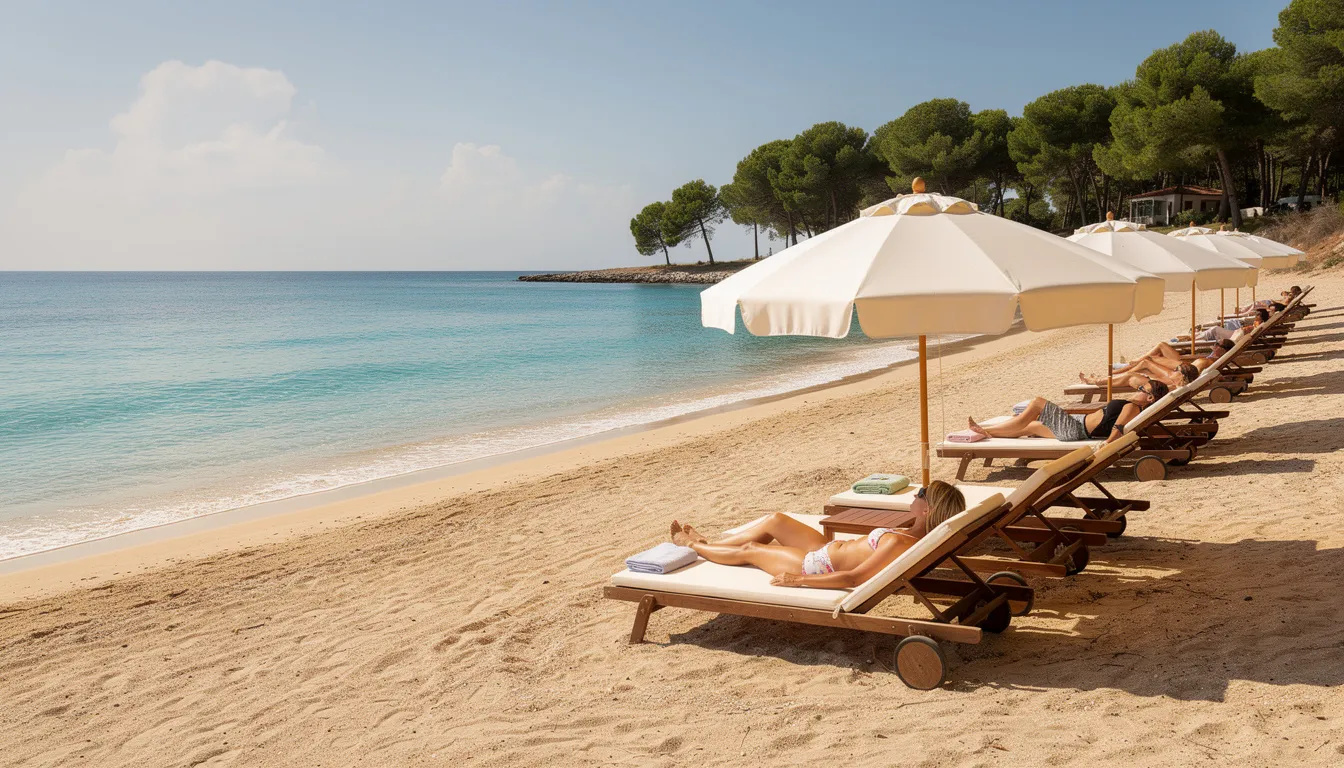
Cala Comte is one of Ibiza’s most beautiful beaches. Located in the west of the island, it offers crystal-clear turquoise water and views of small offshore islets. Sun loungers, umbrellas, showers, a beach bar, and pedal boat rentals are available. The beach has Blue Flag status and is an ideal place to watch the sunset.
Cala Tarida is an approximately 270-meter-long sandy beach in a tourist resort west of San Antonio. It is suitable for families thanks to its gently sloping entry into the sea and offers opportunities for snorkeling and water sports. Restaurants and boat rental services can be found nearby.
Cala Vedella is a cove sheltered by pine-covered hills, with shallow and calm water—perfect for children. Facilities include sun loungers, showers, toilets, bars, and boat rentals. This beach also boasts Blue Flag status.
Other well-known beaches include Cala Benirràs in the north, famous for its Sunday sunset drumming sessions, and Cala d’Hort, with its dramatic view of the Es Vedrà rock formation. Playa d’en Bossa is the island’s longest beach—2.5 km of sandy coastline lined with clubs, beach bars, and restaurants.
Es Vedrà is a dramatic limestone islet rising 382 meters above the sea off the southwestern coast. The site is shrouded in legends about magnetic anomalies and alleged UFO sightings. Watching the sunset over Es Vedrà is an unforgettable experience—the best viewpoints can be found above Cala d’Hort. You can also see the islet up close on a boat trip.
Nightlife, culture, and landmarks
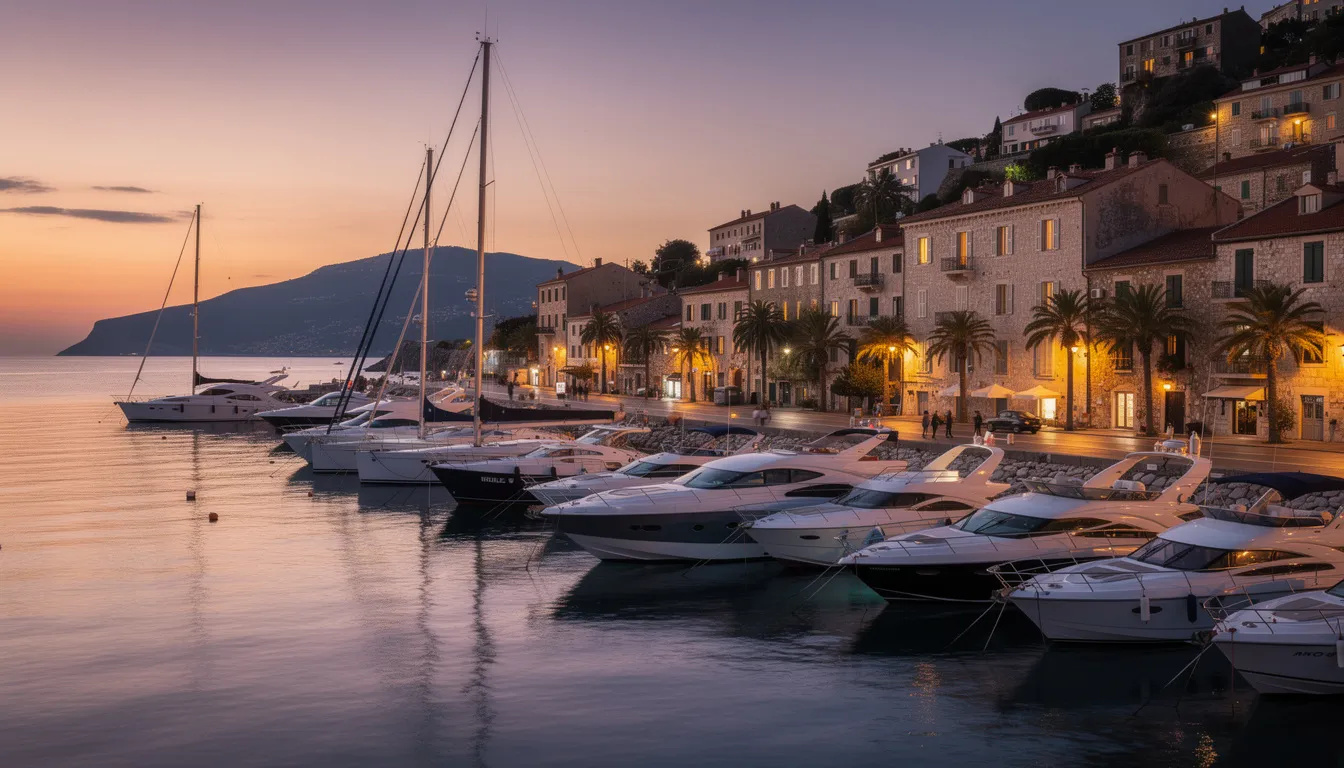
Ibiza is as famous for its clubs as it is for its UNESCO sites and relaxed hippie atmosphere. This combination makes the island a unique destination where you can explore medieval walls during the day and dance beneath the stars at night.
Nightlife is concentrated in three main areas: Ibiza Town, Sant Antoni, and Playa d’en Bossa. The most famous clubs include Pacha (open since 1973), Amnesia, Ushuaïa, Hï Ibiza, and Eden. During the summer season, they host residencies by world-famous DJs such as David Guetta, Calvin Harris, and Black Coffee. Admission to the major clubs ranges from €30 to €80, depending on the night and performer.
The capital, Eivissa, offers a promenade with bars and restaurants, a harbor full of luxury yachts, and the historic old town of Dalt Vila. This fortified town has been listed as a UNESCO World Heritage Site since 1999—it is an outstanding example of 16th-century Renaissance military architecture. A walk along the walls offers breathtaking views of the sea and surrounding countryside.
Dalt Vila is home to narrow streets, small museums, and the Cathedral of Santa Maria d’Eivissa, built on the site of the original Arab mosque following the Catalan conquest in 1235. The fortifications were rebuilt in 1555 as a defense against Ottoman pirates and remain one of the best-preserved fortresses of their kind in the Mediterranean.
Hippie markets are another iconic part of Ibiza. The best known are Punta Arabí in Es Canar (every Wednesday) and Las Dalias in San Carlos (Saturdays and summer evenings). Handmade jewelry, clothing, and accessories are sold here, accompanied by live music. The island also has small galleries, street art around the clubs, and festivals held mainly in summer.
Activities with children and a more peaceful vacation
Ibiza is not just a party island—a large number of its resorts are distinctly family-oriented, with a peaceful atmosphere and a wide range of activities for all ages.
Family hotels on the island often offer kids’ clubs, entertainment programs, and children’s pools. Popular choices include Tropic Garden in Santa Eulalia, family resorts in Portinatx, and Balansat Resort in Puerto de San Miguel. These hotels are located far from the busy clubbing centers.
Water parks provide excellent entertainment for children. Around San Antonio and Playa d’en Bossa, you will find water parks with slides, lazy rivers, and children’s pools. Family admission costs approximately €25–35 per person.
Boat trips are among the most popular activities. You can take a day trip to the island of Formentera, with its white beaches and crystal-clear water, or enjoy a sunset cruise along the western coast. Boat trip prices start at €40 per person.
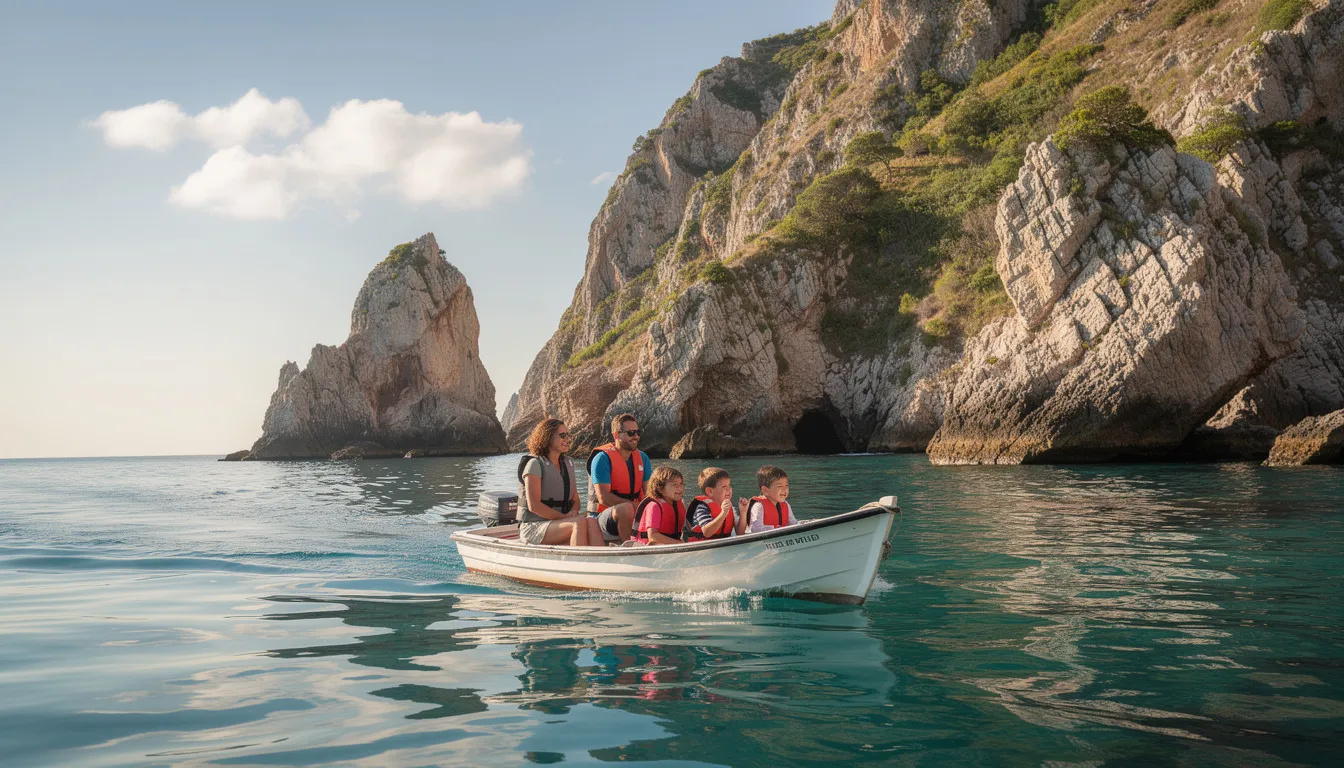
Nature and safaris offer an alternative to spending time on the beach. Jeep safaris into the island’s interior include stops at viewpoints and lesser-known beaches. Nature reserves such as Cala d’Hort, with its rocky formations and snorkeling opportunities, are ideal for families with children.
For a more peaceful vacation, we recommend the north (Portinatx) and east (Santa Eulalia, Es Canar) rather than the noisy south. These areas offer family-friendly restaurants, safe beaches with gently sloping entry into the sea, and a relaxed atmosphere.
Getting to Ibiza and around the island
Ibiza is easily accessible by air and sea, and its smaller size makes it easy to get around—you can drive from one end of the island to the other in less than an hour.
Flying is the fastest option. Ibiza Airport is located approximately 7 km from the capital. Direct flights operate seasonally from both Prague and Vienna, with additional connections via Barcelona or Madrid. The flight takes approximately 2.5–3 hours.
Traveling by ferry is suitable for those traveling with a car or who want to enjoy the voyage. Ferries connect Ibiza with mainland Spain (Barcelona—approximately 9 hours, Valencia—approximately 4–6 hours, Denia—approximately 2.5 hours) and Mallorca. Prices start at €50 per person, depending on the route and type of vessel.
Transportation from the airport to the city center is straightforward. Shuttle minibuses, taxi services, and public buses are available. A taxi to Ibiza Town takes approximately 10–15 minutes and costs around €15–20.
Getting around the island is most convenient with a rental car or scooter—especially if you want to discover hidden coves and beaches. The island’s bus network connects the main resorts and towns, but services run less frequently outside the main season. During peak season, we recommend booking a car in advance and expecting higher parking prices around town centers and clubs.
Prices, practical information, and safety
Ibiza is one of the more expensive parts of Spain, but it can accommodate a variety of budgets—from backpacking to luxury vacations.
Prices vary considerably depending on the type of accommodation and dining. Average daily costs can range from €50–100 per person, depending on your travel style. Cheaper accommodation in hostels and apartments starts at €30–50 per night, while beachfront hotels start at €100 and above. Admission to major clubs costs €30–80.
|
Item |
Estimated price |
|---|---|
|
Meal at a tapas bar |
€10–15 |
|
Menu del día |
€12–18 |
|
Dinner at a seaside restaurant |
€30–50 |
|
Beer at a bar |
€4–6 |
|
Drink at a club |
€15–25 |
|
Car rental for one day |
€35–60 |
|
Club admission |
€30–80 |
Food is available in various price ranges. Cheaper tapas bars and local “menu del día” options offer quality food at reasonable prices. Bars and clubs around the major nightclubs are significantly more expensive—expect to pay €15–25 for a cocktail.
Health requirements do not include any special vaccinations. EU citizens can access healthcare using the European Health Insurance Card, but commercial travel insurance is recommended in case of injury or repatriation.
Entry formalities are straightforward—Czech and Slovak citizens only need a national ID card or passport for stays of up to 90 days, with no visa required. Ibiza is part of the Schengen Area.
Safety on the island is generally very good. In busy party areas, it is advisable to keep an eye on your personal belongings, use official taxi services, and avoid drinking alcohol before driving—the usual precautions for tourists apply here as well.
Ibiza’s cuisine: what to try
Ibizan cuisine combines traditional Spanish dishes with local specialties and the modern “farm-to-table” trend that has flourished on the island in recent years.
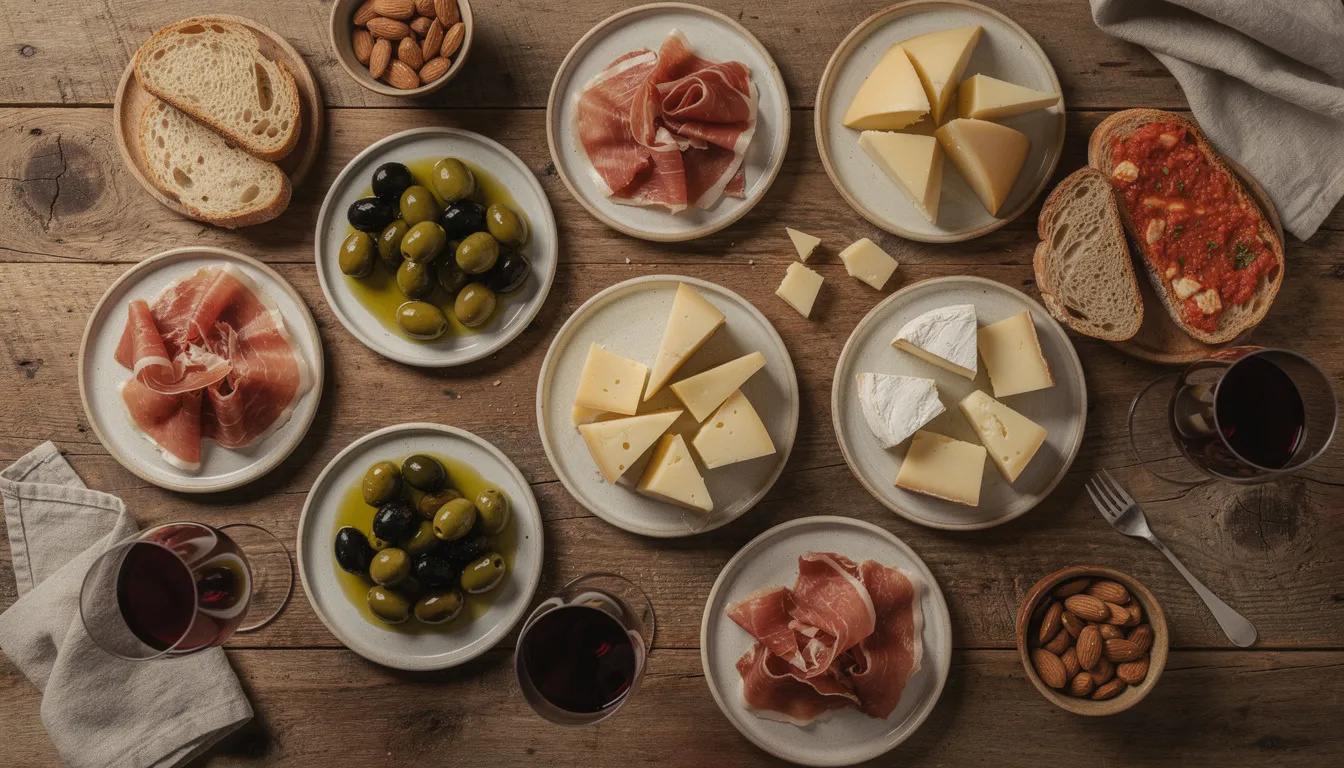
A classic is, of course, paella—with seafood, chicken, or a combination of both. Harbor restaurants serve fresh fish and seafood grilled or baked in salt. Tapas are an ideal choice for those who want to sample several flavors at once.
A local specialty is frito ibicenco—a traditional dish made with lamb or pork, liver, potatoes, and vegetables. It was originally prepared for family celebrations and can still be found in authentic restaurants outside the tourist areas.
Typical desserts and drinks include hierbas ibicencas—an herbal liqueur made from local herbs such as rosemary, thyme, and anise. The traditional flaó cake combines cheese and mint, while ensaimada is a sweet pastry typical of the entire Balearic Islands.
Small wineries producing local wines labeled Vino de la Tierra Ibiza are thriving on the island. Many establishments emphasize local ingredients and organic produce—a trend attracting an increasing number of gourmet travelers.
Tourist resorts also naturally offer a wide variety of international cuisine—sushi, Thai, Italian, vegetarian, and vegan restaurants can be found in virtually every larger resort.
Conclusion: who Ibiza is ideal for
Ibiza can satisfy different types of travelers—from party enthusiasts to families with children and couples seeking romance. The south (Playa d’en Bossa, Ibiza Town) is ideal for nightlife, the east (Santa Eulalia, Es Canar) and north (Portinatx) for peace and families, and the west (San Antonio) for a combination of sunsets and entertainment.
When choosing an Ibiza vacation, first decide whether you want clubs, nature, or a family holiday—then select your area and hotel accordingly. In 2026, the island is very well prepared for tourists, with quality accommodation, services, and well-developed infrastructure.
Ibiza is a destination people often return to—first for the parties, then for the peace of its small coves and sunsets over Es Vedrà. Whatever you are looking for, this island has something to offer.