

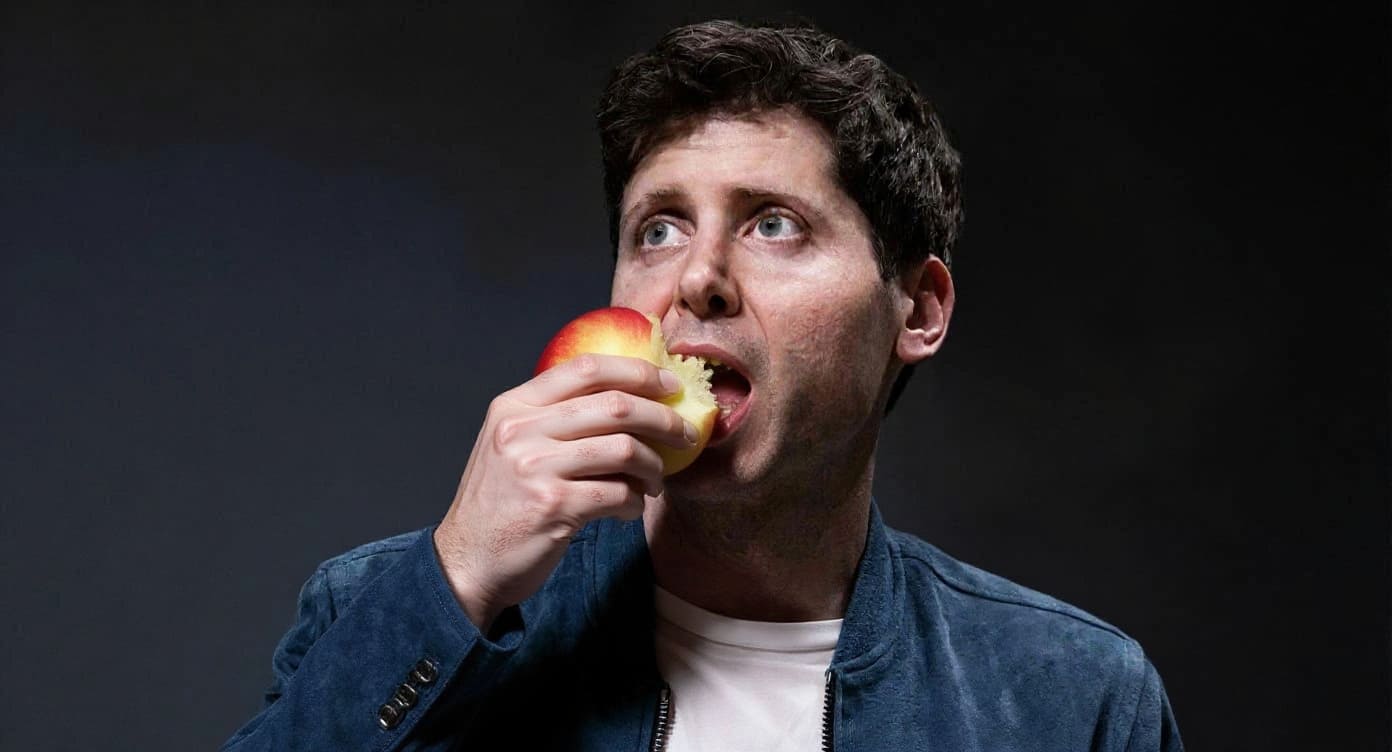
Battle for Hardware: OpenAI Hires Engineers from Apple
OpenAI has decided to enter the world of consumer AI hardware, and it is recruiting the best talent directly from Apple to do so. According to reports from The Information, the company is hiring dozens of experienced Apple specialists, offering them stock packages worth more than CZK 22.5 million and promising less bureaucracy. This recruitment effort is led by Tang Tan, who spent 25 years at Apple and is now OpenAI's head of hardware. Key new hires include Cyrus Daniel Irani, former head of Apple's human interface design team; Erik de Jong, who led hardware development for the Apple Watch; and Matt Theobald, who has 17 years of experience in manufacturing design at Apple.
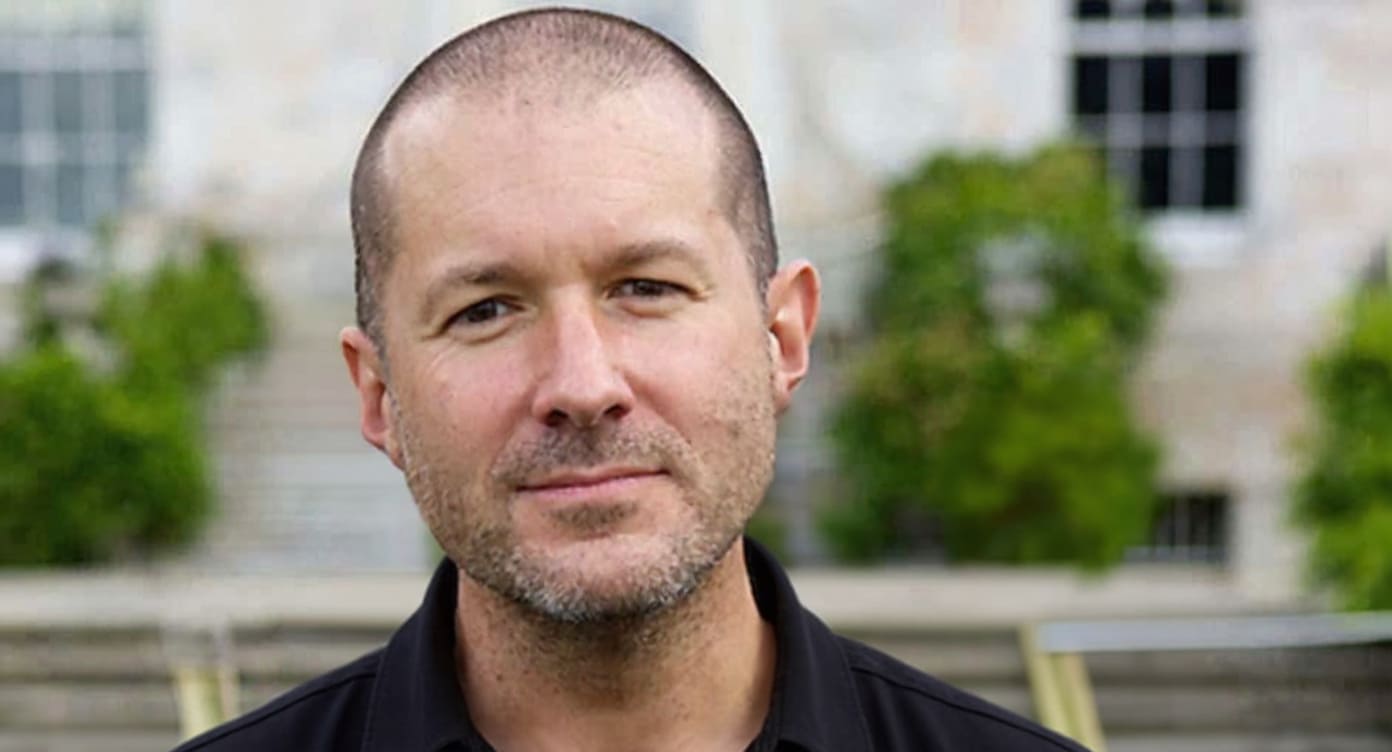
This movement of talent accelerated following the acquisition of the startup io Products in May 2025, which OpenAI purchased for CZK 146.25 billion. The startup was founded by Jony Ive, Apple's former designer, and Tang Tan. Jony Ive now spends more time at OpenAI's San Francisco offices, helping shape the vision for its new devices. OpenAI is leveraging Apple's expertise to quickly build its own hardware, inspired by successful products such as the iPhone and AirPods.
Partnerships with Manufacturers
OpenAI is not only targeting Apple's employees, but also its supply chains. It has reached an agreement with Luxshare, which assembles iPhones and AirPods for Apple, to manufacture at least one device. It is also negotiating with Goertek, a manufacturer of components for AirPods, HomePods, and the Apple Watch, regarding the supply of speaker modules. These companies helped Apple build a vast manufacturing network, and OpenAI is now tapping into it to accelerate its market entry. If successful, this will allow OpenAI to manufacture at scale, much like Apple, within a relatively short period of time—less than two years.
Among the devices OpenAI is considering are a smart speaker without a display, AI-powered glasses, a wearable pin, and a digital voice recorder. The goal is to launch the first product in late 2026 or early 2027. These products are expected to integrate ChatGPT and other AI features directly into everyday devices. Details remain secret, but expectations are enormous thanks to the involvement of talent such as Jony Ive and Tang Tan.
Impact on Apple
This hiring offensive has caused considerable concern at Apple. The company even canceled its annual gathering of teams from the United States and China over fears that more key employees could leave for OpenAI. More than 70% of Apple's revenue still comes from hardware, so competition from OpenAI, which is recruiting its own people, represents a real threat. At the same time, Apple continues to license OpenAI models for Siri and Image Playground, and the companies are discussing deeper integration, making the entire situation even more complicated.
OpenAI is thus copying Apple's proven formula—a combination of cutting-edge design, talented engineers, and strong manufacturing partners—to quickly enter the AI device market. With so many elements taken from Apple's playbook, its first products are expected to be among the biggest launches in recent years.


