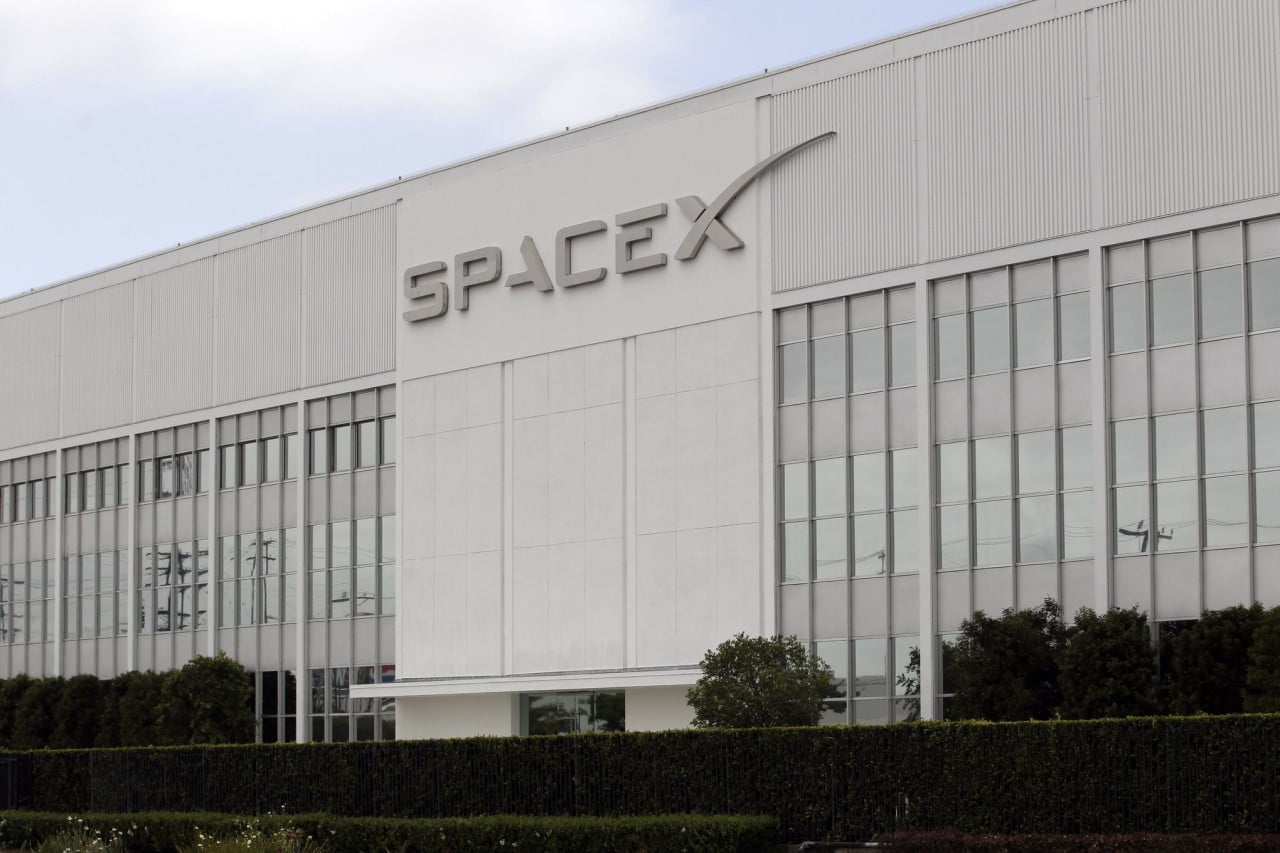
Elon Musk merged two of his companies, SpaceX and xAI, into a single entity, renamed it SpaceXAI, and announced it to the world as a major step forward. What he did not announce, however, is what is happening inside. Since February, when the merger took place, more than 50 researchers and engineers have left SpaceXAI. And those are only the ones who publicly acknowledged it or whose departures were reported.
In its analysis, Fast Company identified a total of around 80 people who have left the company over the past year or so. They include co-founders, technical experts, and legal advisers. Not one of xAI's original eleven co-founders remains at the company.
xAI was founded in 2023 with an ambitious goal: to build artificial intelligence that would be "maximally curious" and beneficial to humanity. Its founders included people who had previously worked at Google DeepMind or OpenAI, such as Igor Babuschkin, Kyle Kosic, and Christian Szegedy. The company quickly established itself as one of the more serious competitors in the language-model industry, despite facing strong competition from Anthropic, OpenAI, and Google.
Wave of departures
The first wave of departures came almost immediately after the merger was announced. At the time, eleven departures were reported, including two co-founders. The flow has not stopped since. This month alone, Anthony Armstrong, the chief financial officer, left the company after spending only a few months in the role. Heinrich "Heiner" Kuttler, who according to Musk was supposed to oversee the company's computing infrastructure, is also leaving. Leaders of teams working on coding, world models, and Grok's voice version had already departed.
The situation in the so-called pre-training team, which handles data preprocessing for training language models, is particularly concerning. Following the departure of the team's head, Juntang Zhuang, the team has dwindled to just a handful of people. Pre-training forms the foundation for developing new AI models. Without a strong team in this area, it is difficult to build cutting-edge models.
The Information noted that there were approximately 200 researchers at the end of last year, with the departures significantly reducing that number.
Overwork is the reason
Why are people leaving? According to sources who spoke with The Information, several factors are contributing to the departures at once.
One of the main reasons is an atmosphere of extreme workload, something employees at Musk's companies have complained about for years, whether at Tesla or SpaceX. SpaceXAI is no different. Musk reportedly assigned employees unrealistic deadlines for training models, which led to shortcuts in Grok's development. Grok is the chatbot that serves as the company's flagship model.
And Grok itself has recently faced criticism. The chatbot ran into trouble after generating unsolicited pornographic content and sexual images of children. For some employees, that was apparently a signal of a line they were unwilling to cross.
Meta and Thinking Machines are snapping up talent
Vacancies left by departing experts do not remain unfilled for long. Meta and Thinking Machines Lab are among the most active companies recruiting former SpaceXAI employees and offering them generous financial packages.
Since February, Meta has hired at least 11 researchers and engineers from SpaceXAI. Thinking Machines Lab, a new company led by former OpenAI chief technology officer Mira Murati, has recruited at least 7 people. Anthropic, the company behind the Claude chatbot, has hired at least 2 former employees of xAI this year. Some of those leaving are founding their own ventures.
Sources: techcrunch.com, fastcompany.com and msn.com