How University Students Use Typos to Evade Artificial Intelligence Detection
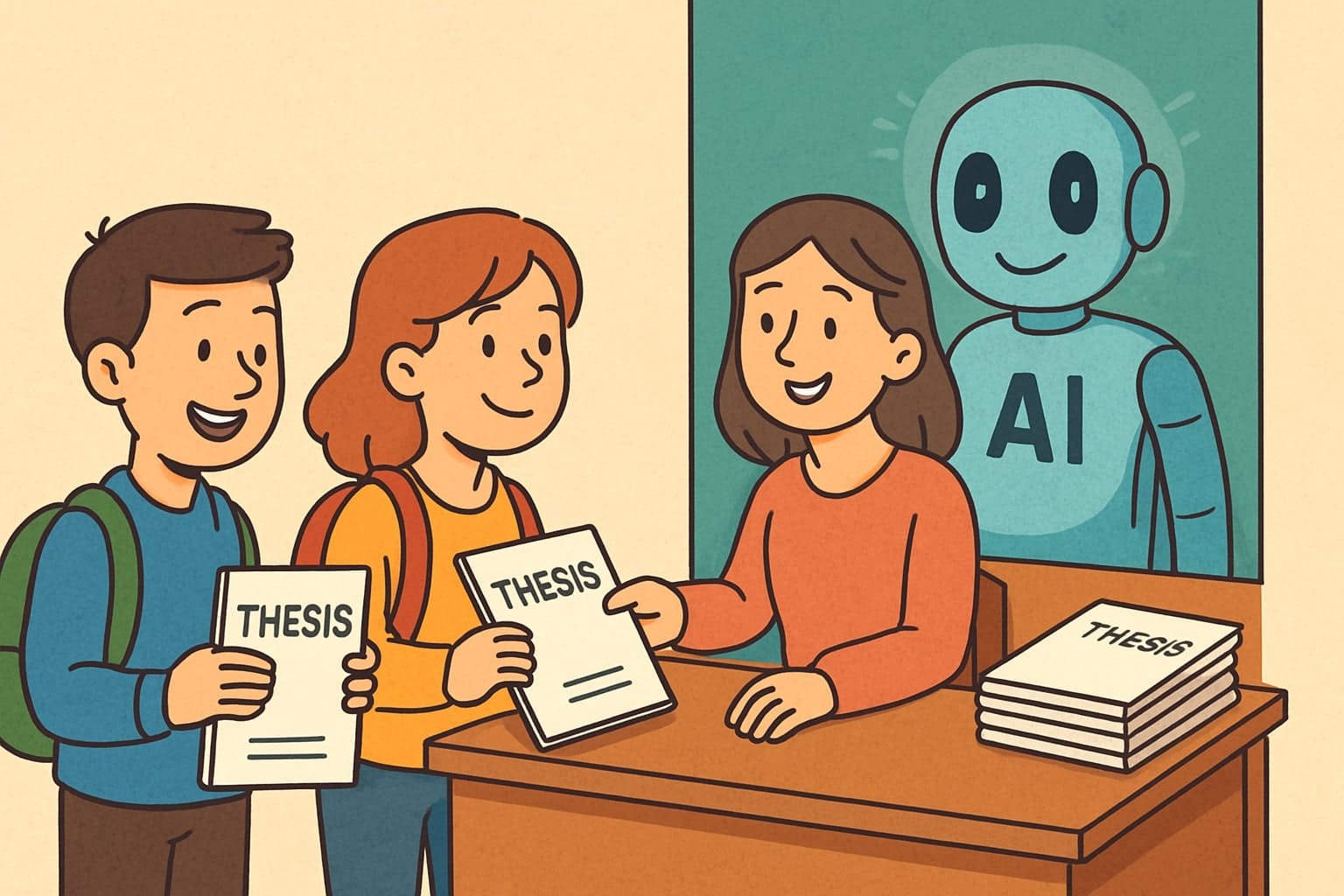
Artificial intelligence has become an integral part of university life, with tools such as ChatGPT dramatically changing the way students approach their academic responsibilities. However, the spread of these technologies also brings a new wave of academic challenges and creative ways to circumvent systems designed to detect cheating. Surveys suggest that as many as 89 percent of university students in American cities have used ChatGPT at some point to complete homework assignments. More than half of them even use these tools to write entire essays. This sharp increase has led educators to adopt AI detection tools and develop new strategies to preserve academic integrity.
The Typo Tactic: How to Give AI Text a Human Touch
To bypass AI detection systems, many students now intentionally insert typographical errors into text generated by chatbots. By adding mistakes - such as typos or awkward phrasing - they try to make their work appear more authentic and less like the flawless output typical of large language models. Some students go even further and directly instruct chatbots to "write like a freshman who isn't very bright," thereby creating text that imitates common student mistakes. Others gradually revise their essays using several AI tools, changing the style or introducing imperfections each time, which reduces the likelihood that any detector will flag them as machine-generated. Eric, a second-year Stanford student, describes the process: "You enter a prompt into ChatGPT, then take the result and run it through another AI tool, and then another one. By the time you submit the work... the percentage of AI content decreases with each iteration."
Why Typos Work Against Detectors
AI detection software often relies on identifying patterns typical of machine-written text - such as consistent grammar, the use of advanced vocabulary, or unnatural coherence. Introducing typos disrupts these patterns and can trick detectors into classifying the text as human-written. Educators report noticing significant differences between students' personal essays (often written without assistance) and subsequent assignments suspected of having been generated by bots but altered with intentional errors. These later works sometimes contain factual inaccuracies or unusual stylistic choices that are not present in authentic student texts.
Broader Implications for Education
This trend highlights both students' ingenuity and educators' growing concerns about academic dishonesty enabled by easy access to generative AI. While some teachers urge students to at least "cheat intelligently" instead of simply copying text from chatbots, others fear that this competition is undermining learning outcomes. Sam Williams, a teaching assistant at the University of Iowa, expresses his concern: "Whenever students face a minor challenge... they resort to something that simplifies the process for them." The prevalence of these tactics suggests ongoing tension between technological progress in education and efforts to preserve authentic learning experiences. University students are increasingly inserting typos into their chatbot-generated assignments specifically to avoid detection by anti-AI plagiarism tools - a method that reflects both the widespread reliance on generative AI for schoolwork and the growing challenges faced by educators trying to maintain academic standards.