


Coco Robotics, a company specializing in last-mile delivery robots, has opened a new laboratory focused on physical artificial intelligence (AI). The laboratory is led by University of California Los Angeles (UCLA) professor Bolei Zhou, who has become the company’s chief AI scientist. Bolei Zhou is an expert in computer vision, robotics, and micromobility, which closely aligns with the needs of Coco Robotics. The company announced the news in October and emphasized that Zhou had previously collaborated with Coco Robotics, as founders Zach Rash and Brad Squicciarini are UCLA alumni. Zhou was able to attract top researchers he had worked with in the past to accelerate progress in robot navigation and reinforcement learning.
The laboratory will use data collected by Coco Robotics robots over five years of operation. These robots have traveled millions of miles through complex urban environments, providing a rich foundation for training AI models. The goal is to transition from teleoperated robots that require human assistance to navigate obstacles to fully autonomous systems. Zach Rash, the company’s co-founder and CEO, explained that this data is crucial for creating reliable AI systems in the real world. The laboratory will focus on improving the local models that the robots use directly in the field.
Funding and Partnership with OpenAI
This June, Coco Robotics secured $80 million in investment. The funding was provided by angel investors Sam Altman and Max Altman, both repeat backers, along with venture capital firms such as Pelion Venture Partners and Offline Ventures. Company spokesperson Nadia Jamshidi clarified that the amount includes several unannounced funding rounds from 2021 to 2025. The money will help expand the robot fleet and support research at the new laboratory.
The laboratory operates separately from Coco Robotics’ collaboration with OpenAI, which was announced in March. As part of this partnership, Coco Robotics uses OpenAI models, while OpenAI gains access to data collected by the robots to train its models. Nadia Jamshidi confirmed that Sam Altman was not involved in the negotiations between Coco and OpenAI and that his latest investment took place more than six months before the agreement was finalized. This collaboration enables data sharing, but the laboratory is focused on internal improvements such as navigation and reducing delivery costs.
Robot Operations and Expansion Plans
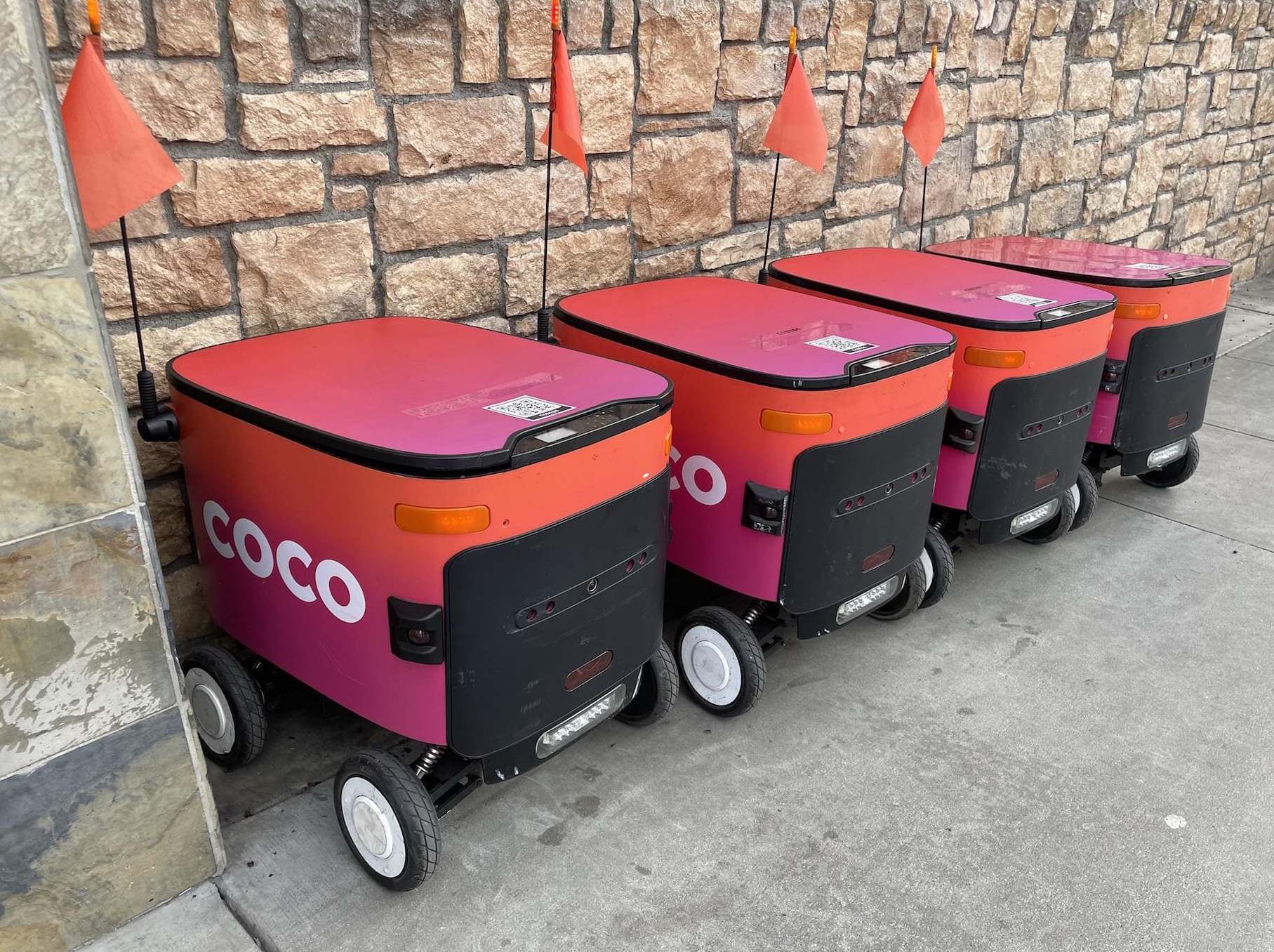
Coco Robotics’ robots are emissions-free and can carry up to 90 liters of goods, such as groceries or other merchandise. Since the company launched in 2020, they have completed more than 500,000 deliveries. They work with major chains such as Subway, Wingstop, and Jack in the Box. The company was founded in Los Angeles by Brad Squicciarini and Zach Rash, who saw an opportunity to automate last-mile delivery in order to reduce costs.
Research from the laboratory will not be sold to third parties but will be used internally to improve services. Zach Rash mentioned that the company plans to share its findings with the cities where it operates to help address infrastructure issues that slow down robots, such as poor sidewalks or obstacles. Coco Robotics is developing robots with greater capacity and multiple temperature-controlled compartments, enabling the delivery of groceries, medicines, or e-commerce packages. The company plans to expand into new markets in the US and Europe, including B2B logistics such as micro-deliveries or same-day returns.
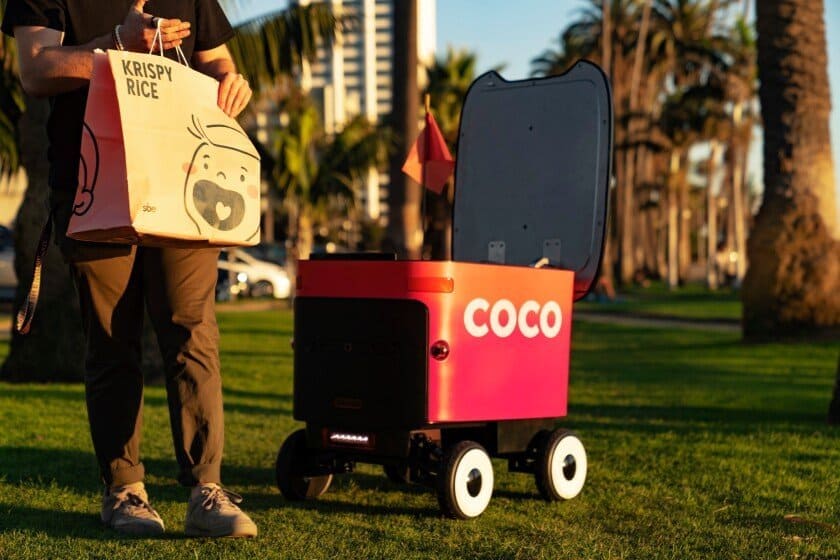
The company aims to deploy more than 10,000 robots in 2026, with research from the laboratory helping to apply AI improvements at scale. This should reduce service prices and improve accessibility for both businesses and customers.
Data from millions of miles forms the foundation for training robust AI models capable of handling complex urban situations. The laboratory, led by Bolei Zhou, will focus on areas such as navigation and reinforcement learning, which will directly impact sidewalk delivery robots. Zach Rash emphasized that the laboratory’s success lies in providing higher-quality services at lower prices, supporting the growth of the entire system.
Source: techcrunch.com


