

China's Vision for AI May Be Smarter Than the West's Pursuit of Superintelligence
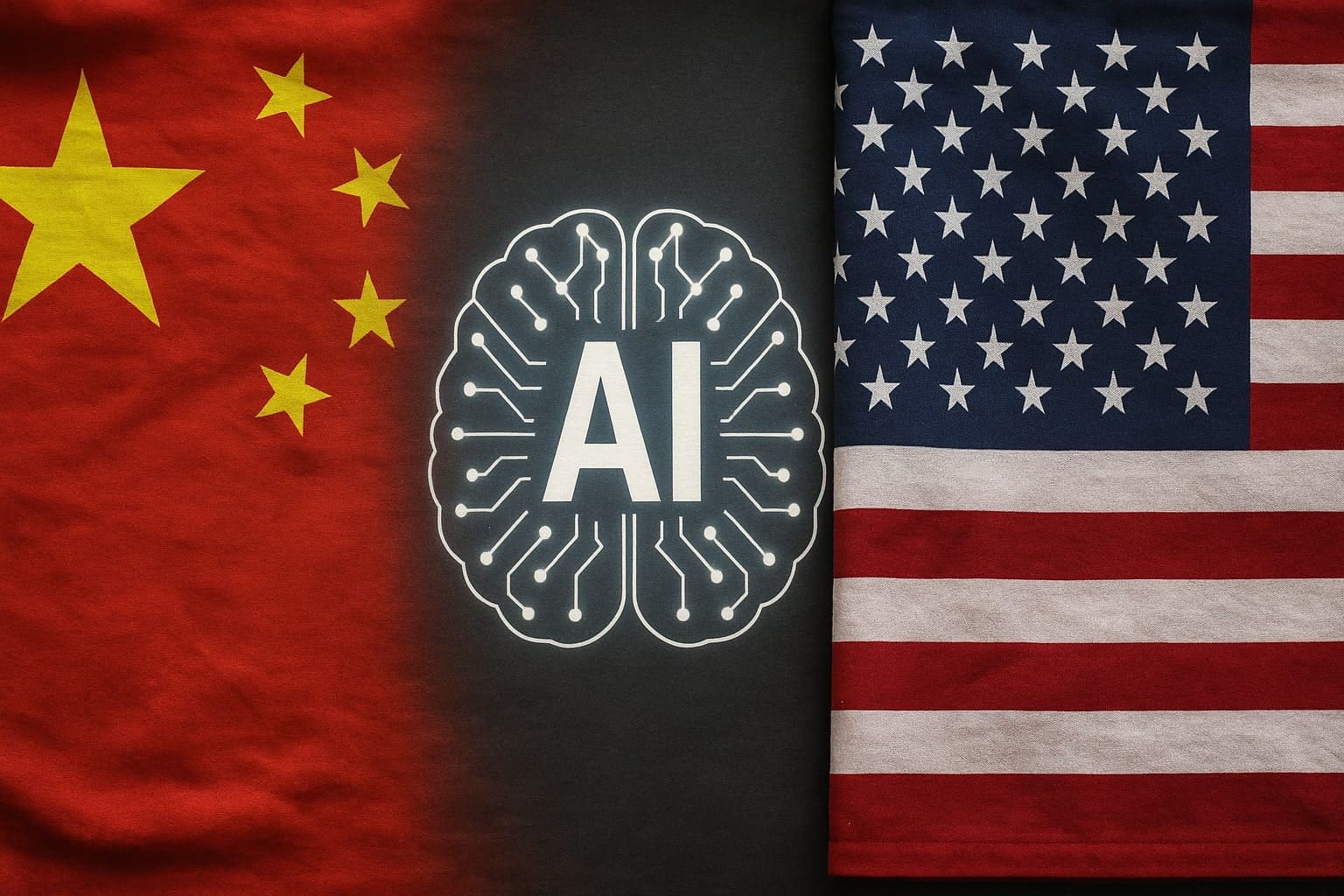
China and the United States are taking completely different paths in the field of artificial intelligence (AI). While the US is spending billions of dollars and consuming gigawatts of energy in pursuit of the next evolutionary leap in AI, which some compare to the power of the atomic bomb, China is choosing a different strategy. This approach focuses on practical applications rather than speculative goals, which could lead to more sustainable development.
America's Pursuit of Superintelligence
In the US, investment in AI is focused on achieving artificial superintelligence, meaning systems that would surpass human intelligence in many respects. This race is fueling concerns about a so-called AI bubble, in which enormous sums of money and energy are being spent on technologies that may not deliver the expected results. Energy consumption, for example, is immense—gigawatts that could power entire cities are being used to train complex models. According to reports from the WSJ, this is putting pressure on the global order as the US tries to overtake China in this field, which it sees as crucial to the future.
This Silicon Valley approach is not only full of optimism but also fraught with risks. Some proponents claim that artificial superintelligence will change the world much like the atomic bomb did, underscoring the intensity of the race. However, with growing concerns about an overheated market and unsustainable resource consumption, questions are emerging as to whether this path is too risky.
China's Pragmatic Model
By contrast, China is running a different race, one focused on the practical use of AI in everyday life and industry. One example is China's so-called dark factories, where robots work continuously to manufacture electric cars. These automated facilities operate 24 hours a day, dramatically increasing efficiency and turning China's electric vehicle industry into an existential threat to American and global automakers. As the Wall Street Journal notes, this integration of AI into manufacturing is helping China build a competitive advantage without having to pursue abstract goals such as superintelligence.
China's vision is state-directed and centralized, enabling coordinated development. Rather than speculating, it focuses on industrial applications such as manufacturing, logistics, and public services. This approach is a response to concerns about an AI bubble and the high energy costs plaguing Western efforts. According to available information about China's national plans, China aims to integrate AI into 90% of its economy by 2030, including sectors such as manufacturing, infrastructure, and urban management.
Differences in Approach: Centralization Versus Decentralization
The key difference lies in how resources are allocated. In China, the state coordinates investment in research, talent, and infrastructure through national strategies, enabling long-term planning. In the US, by contrast, AI development is driven by private companies in a decentralized environment, with the government playing more of a regulatory role. This contrast underscores why the Chinese model may be smarter—it focuses on real-world applications that deliver immediate benefits rather than risky speculation.
Another aspect is the approach to data. China has less stringent privacy standards, allowing it to collect vast datasets for training AI systems, particularly in areas such as surveillance and smart cities. In the West, by contrast, stricter regulations limit this access, affecting the pace of innovation.
Geopolitical Implications for AI
This different approach has broad implications for global competition. China is striving for technological self-sufficiency, particularly in response to US export controls on advanced chips. Despite these restrictions, China is accelerating innovation in model architecture and efficiency, helping it reduce its dependence on Western hardware.
While the Western model is innovative and diverse, China's approach could lead to faster and more coordinated deployment of AI in practice. This raises questions about transparency and global AI governance, where China is seeking a leading role through initiatives such as the Global AI Governance Initiative.
Ultimately, China's vision for AI may be the smarter choice at a time when the world is concerned about overheating and unsustainability. This pragmatic model demonstrates how AI can be used to bring about real change without unnecessary risks.


