
Britain's Most Powerful Supercomputer: Isambard-AI in Action!
Imagine a machine capable of processing vast amounts of data faster than anything else in the United Kingdom. That is precisely Isambard-AI, a supercomputer that recently became fully operational in Bristol. Technology Secretary Peter Kyle symbolically "flipped the switch," opening the door to a new era of artificial intelligence (AI) in the country. This computer will become part of the public infrastructure for AI computing alongside another machine called Dawn in Cambridge. The aim is to use it for important public projects, such as reducing waiting times in the National Health Service (NHS) or developing new tools to combat climate change—even though AI is known for its high energy consumption.
What Is Isambard-AI and How Does It Work?
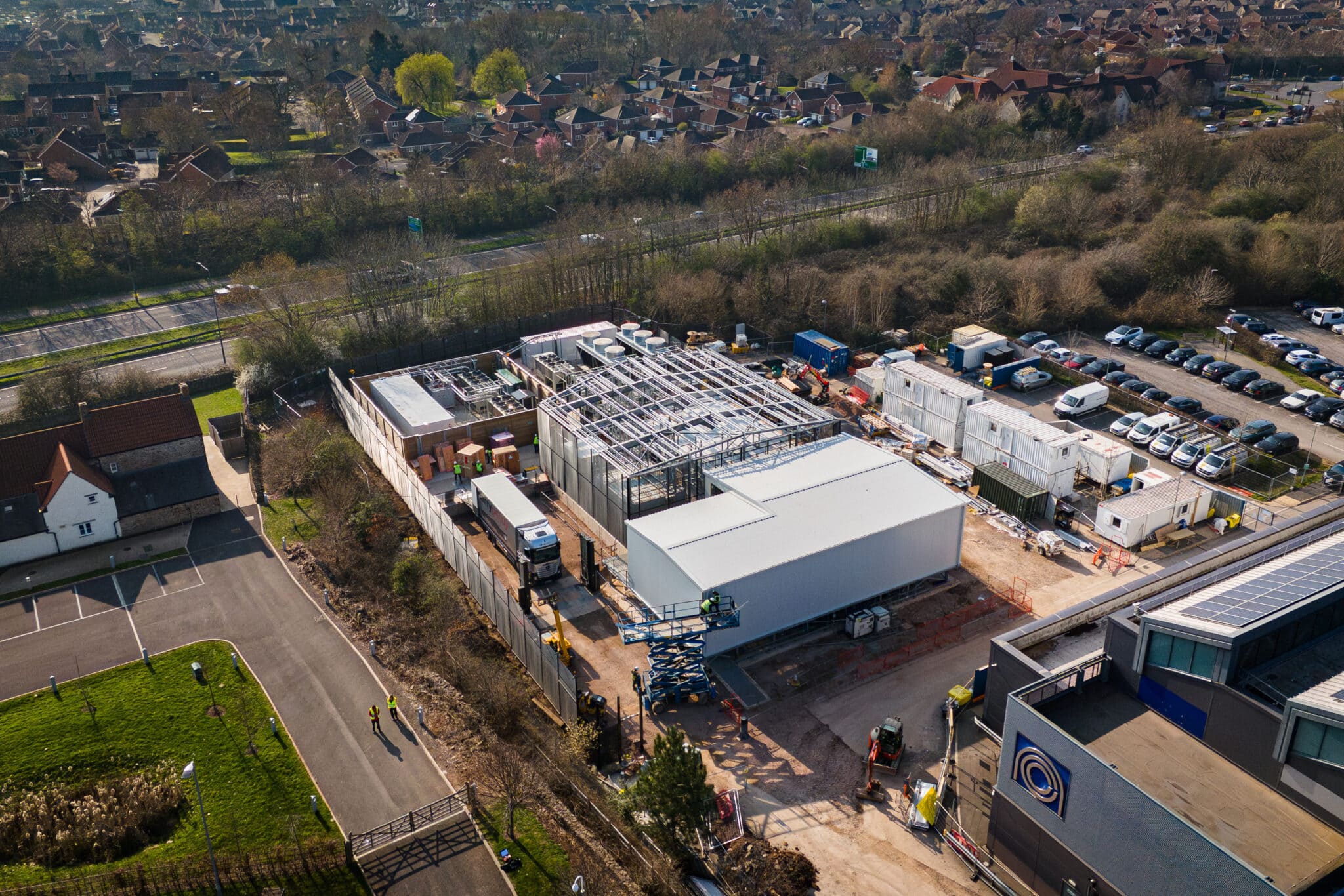
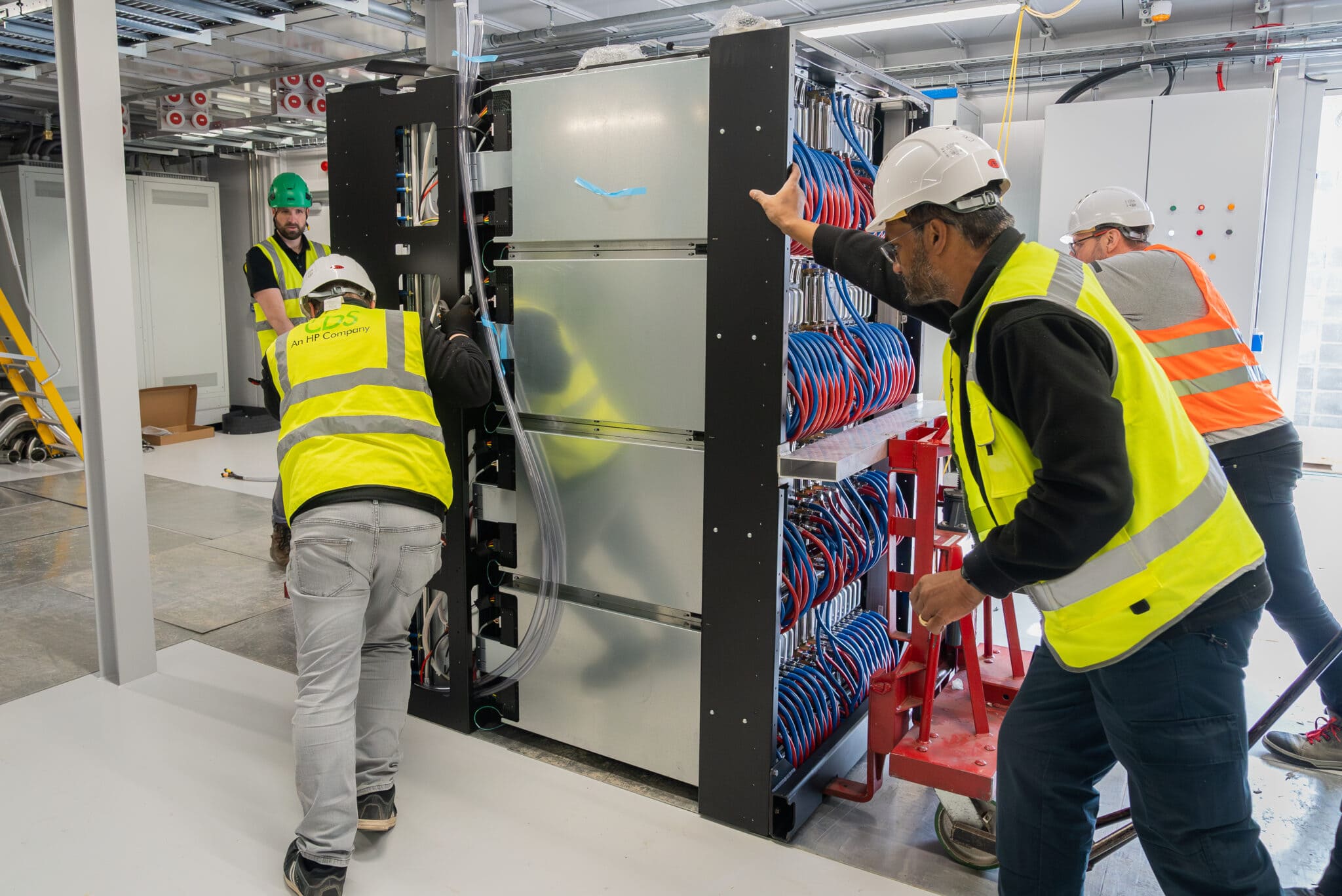
Isambard-AI is no ordinary computer. It is a supercomputer with immense computing power that processes data in binary format just like conventional computers, but thanks to thousands of processing units, it can analyze vast amounts of information much faster. The machine uses more than 5,400 specialized Nvidia GH200 Grace Hopper Superchips, complemented by technology from Hewlett-Packard. It is housed in a low-carbon, modular data center at the University of Bristol, which built it with public funding. Part of this supercomputer was already helping with a medical vaccine development project in January, but the entire system is now fully operational.
BBC economics editor Faisal Islam had the opportunity to see the machine up close, including one of its processors. According to David Hogan, Nvidia's vice president for Europe, Isambard-AI is a "truly transformative machine," but also only the beginning. The supercomputer recently ranked 11th on the list of the world's 500 most powerful commercially available computers, demonstrating its global significance.
How Will It Contribute to Britain's Future?
Together with Dawn, Isambard-AI forms the foundation of the United Kingdom's "AI Research Resource," which will be available for public projects. The government plans to expand this resource twentyfold over the next five years, with additional supercomputers potentially joining it in the future. In an interview with Faisal Islam, Peter Kyle emphasized that AI will enable "huge, unimaginable advances in the treatment of disease." At the same time, he acknowledged that people may be concerned about the impact on jobs, but said that we are already seeing "huge improvements in productivity" thanks to this technology.
The government is preparing AI training for one million students and another 7.5 million people across the wider economy. "AI is going to happen in Britain," Kyle said. "What we can influence is how it happens." In addition, billions in investment have been announced for so-called "AI Growth Zones" in Scotland and Wales, intended to support growth in this field.
Who Is Behind the Project?
The development is led by a team of experts, including Google DeepMind Vice President Pushmeet Kohli, Royal Society Vice President Alison Noble, and Engineering and Physical Sciences Research Council Chair Charlotte Deane. These experts have joined forces with researchers, academics, and technology company executives to create an AI strategy that will be published in the autumn. The goal is to strengthen Britain's position as an "AI maker" rather than merely an "AI taker," at a time when companies around the world are competing for the best talent and hardware.