

The Gates Foundation and OpenAI are launching the $50 million Horizon1000 initiative (approximately CZK 1.3 billion), which aims to deploy artificial intelligence in 1,000 primary healthcare clinics across Africa by 2028. The project is starting in Rwanda and is intended to address the critical shortage of doctors and healthcare staff on the continent.
A partnership set to transform African healthcare
The Gates Foundation and OpenAI, led by Sam Altman, have announced an ambitious partnership focused on strengthening healthcare systems in Africa through artificial intelligence. The initiative, called Horizon1000, represents a major effort to use modern technology to address long-standing healthcare challenges on the continent.
The partnership will provide funding, technology, and technical support to governments that pioneer the deployment of artificial intelligence in healthcare. The goal is to reach 1,000 primary healthcare clinics and surrounding communities in several African countries by 2028.
Rwanda as the project's starting point
Rwanda was selected as the pilot country for this project, reflecting its long-term investment in digital health and national data systems. The country has already established an artificial intelligence center for healthcare in Kigali and expanded internet access to most of its population, laying the groundwork for scaling up AI-powered healthcare services.
Paula Ingabire, Rwanda's Minister of Information and Communications Technology and Innovation, said: "This is about using artificial intelligence responsibly to reduce the burden on healthcare workers, improve the quality of care, and reach more patients."
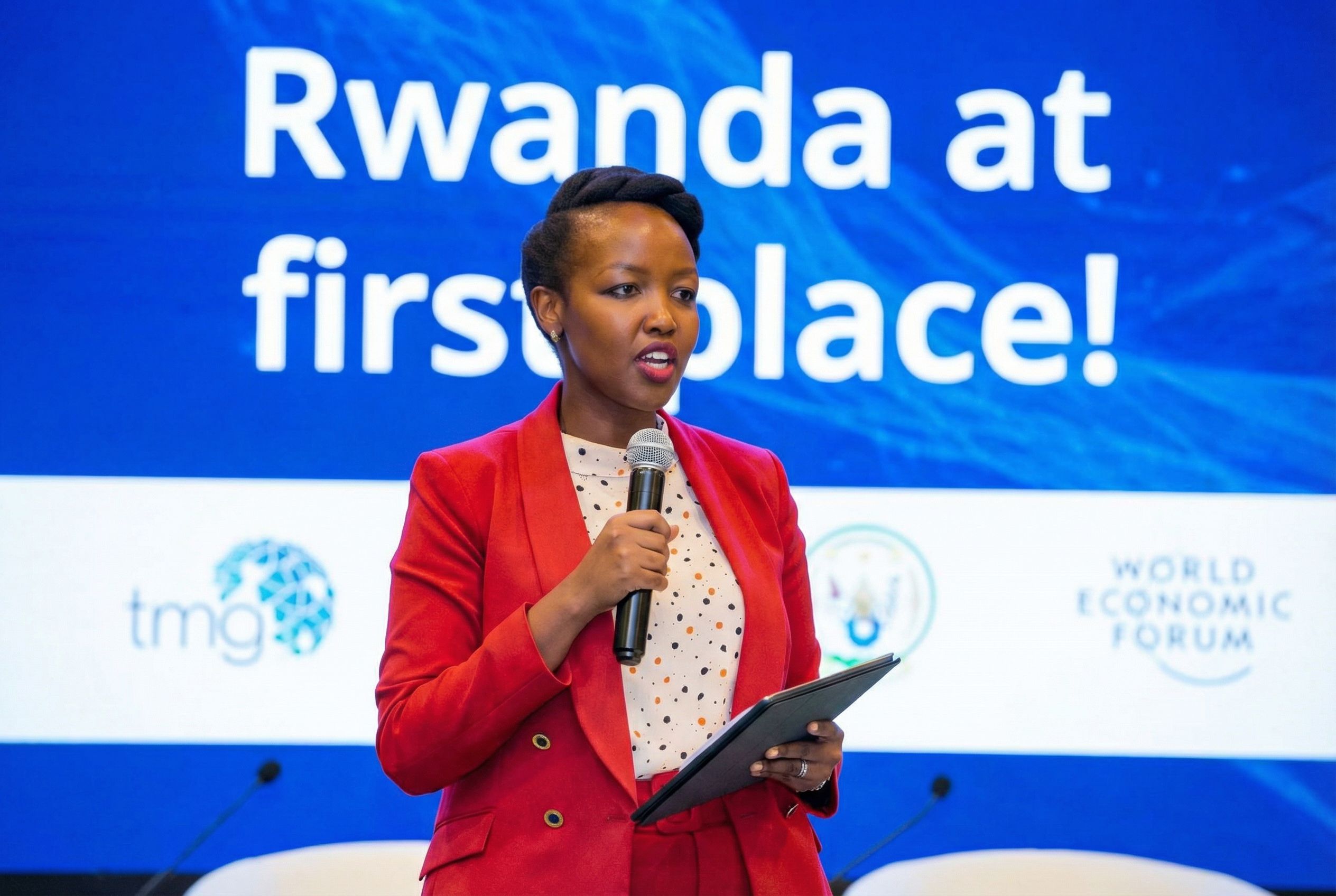
Rwanda currently has only one healthcare worker per 1,000 people, well below the World Health Organization's recommendation of approximately four workers per 1,000 people. At the current rate of progress, closing this gap would take 180 years. As part of the 4x4 reform initiative, Health Minister Dr. Sabin Nsanzimana recently announced the launch of an AI-powered health intelligence center in Kigali, designed to help ensure the most efficient use of limited healthcare resources.
The shortage of doctors in sub-Saharan Africa
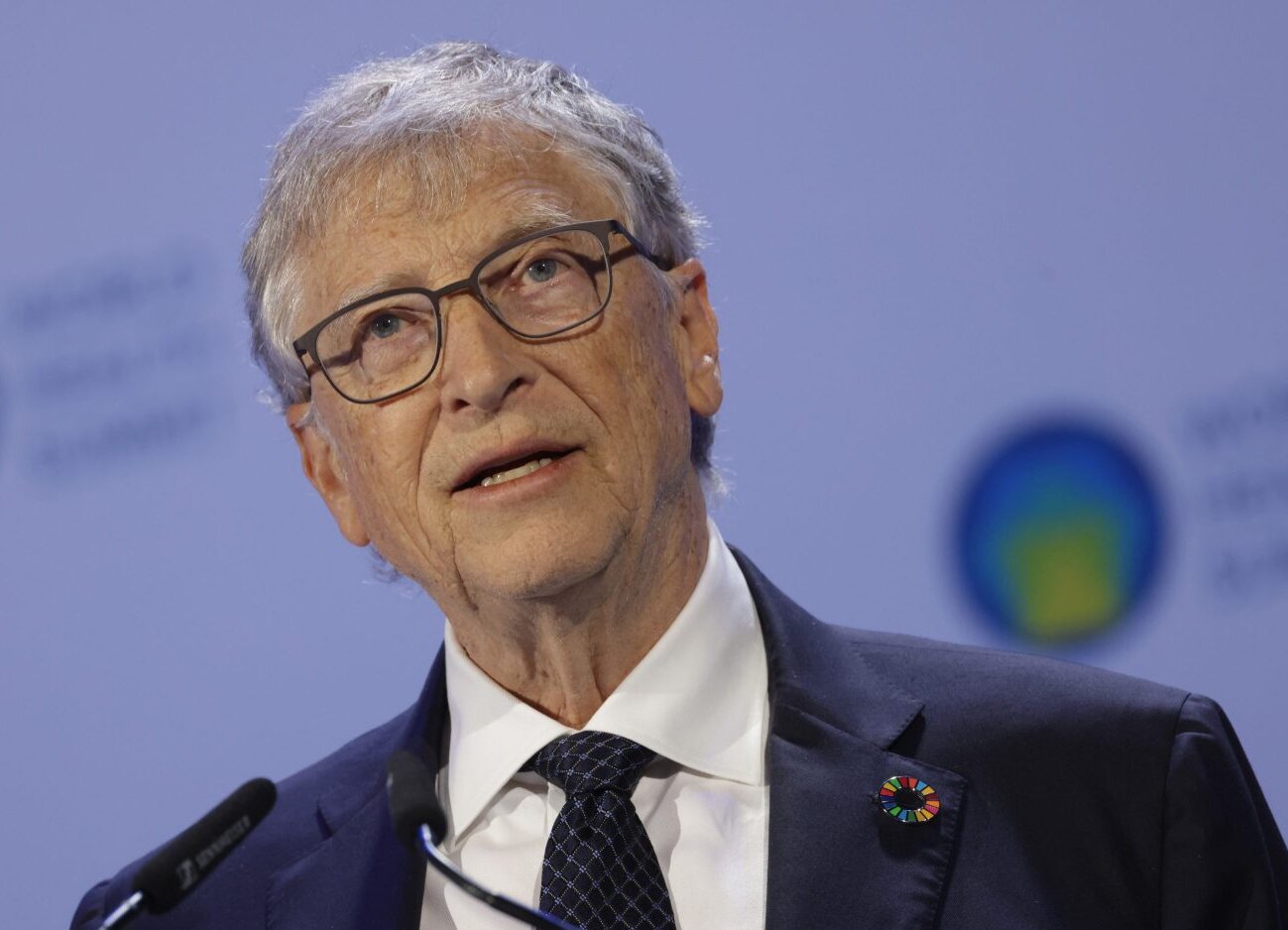
Bill Gates described artificial intelligence as a practical response to the severe shortage of healthcare workers in sub-Saharan Africa, where some countries have only one doctor for tens of thousands of people. According to him, AI tools could help streamline administrative work, support clinical decision-making, and provide patients with guidance even before they arrive at a clinic, particularly where language barriers exist.
Sub-Saharan Africa, which has the world's highest child mortality rate, is short nearly 6 million healthcare workers. This gap is so large that even the most aggressive recruitment and training efforts cannot close it in the foreseeable future. These enormous shortages put healthcare workers in these countries in an impossible situation. They are forced to triage too many patients with too little administrative support, modern technology, and up-to-date clinical guidance.
Gates wrote in his blog post: "Today's artificial intelligence can help save these lives by reaching far more people with much higher-quality care. With innovation and artificial intelligence, I think we can get back on track."
How will artificial intelligence work in practice?
As part of the Horizon1000 initiative, AI applications are expected to focus on areas such as maternal care, HIV care, disease triage, scheduling, and linking patient histories across visits. By reducing administrative burdens and improving the flow of information, Gates believes clinic visits could be significantly faster while maintaining higher standards of care.
"We estimate that a typical visit could be about twice as fast and of much higher quality," Gates said. AI tools will support healthcare workers, not replace them.
The global healthcare funding crisis
The partnership comes at a time when many low- and middle-income countries are facing significant cuts in external healthcare funding. Global development assistance for health fell by nearly 27% last year compared with 2024, according to estimates cited by the Gates Foundation.
These declines followed decisions by major donors, led by the United States in early 2025, to suspend or reduce foreign aid, disrupting programs supporting HIV treatment, maternal and child health, nutrition, and essential primary care services.
Gates said in December that these cuts had led to the first increase in preventable child deaths in more than 100 years, underscoring the urgency of a new approach.
A vision for the future of African healthcare
By working with governments, healthcare workers, and local innovators, the Gates Foundation and OpenAI say the initiative could serve as a model for how artificial intelligence can strengthen primary healthcare in resource-constrained settings, even as traditional sources of global health funding remain under pressure.
Bill Gates explained: "In poorer countries with enormous shortages of healthcare workers and inadequate healthcare system infrastructure, artificial intelligence can be a game changer in expanding access to quality care. I believe this partnership with OpenAI, governments, innovators, and healthcare workers in sub-Saharan Africa is a step toward the kind of artificial intelligence we need more of: systems that help people around the world address generational challenges they simply did not know how to solve."
The Horizon1000 initiative aims to accelerate the adoption of artificial intelligence tools across primary care clinics, within communities, and in people's homes. The project represents a major effort to harness the massive computing power of modern technology to address one of Africa's most urgent challenges – ensuring quality healthcare for all.
Sources: africa.businessinsider.com and digitalhealthnews.com


