

Artificial Intelligence and the War in Ukraine: A New Era of Conflict
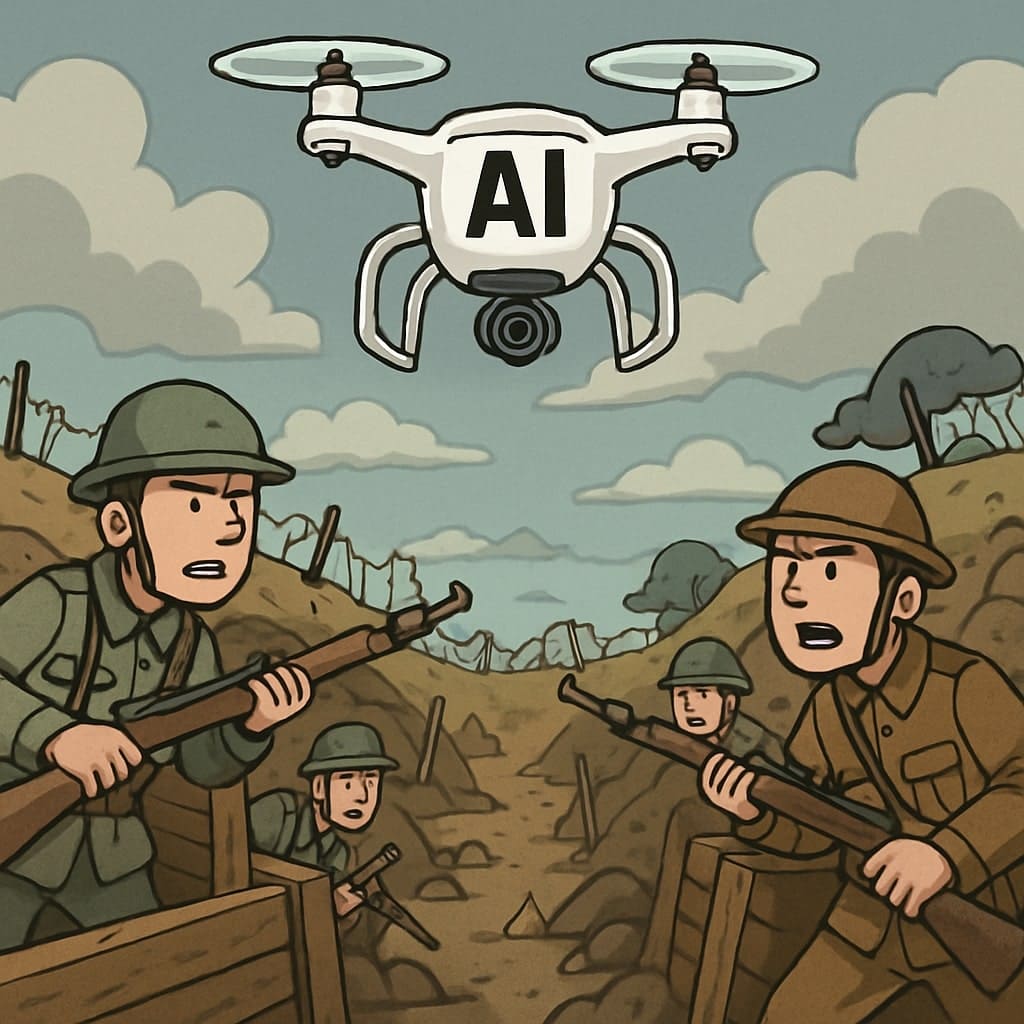
The war in Ukraine, which began with Russia’s invasion in February 2022, has become the first major international conflict of the 21st century in which artificial intelligence plays a key role. While the media often talk about conventional weapons and ammunition deliveries, the technological dimension of the war remains partly outside public awareness. Yet it is precisely here that a revolution in modern warfare is taking place, one that will have far-reaching consequences for future conflicts. Artificial intelligence is transforming the way intelligence gathering, communications, logistics, and even direct combat operations are conducted. Both sides of the conflict - Ukraine and Russia - are deploying advanced AI systems in various areas, thereby creating a precedent for future military conflicts.
AI and Drone Operations
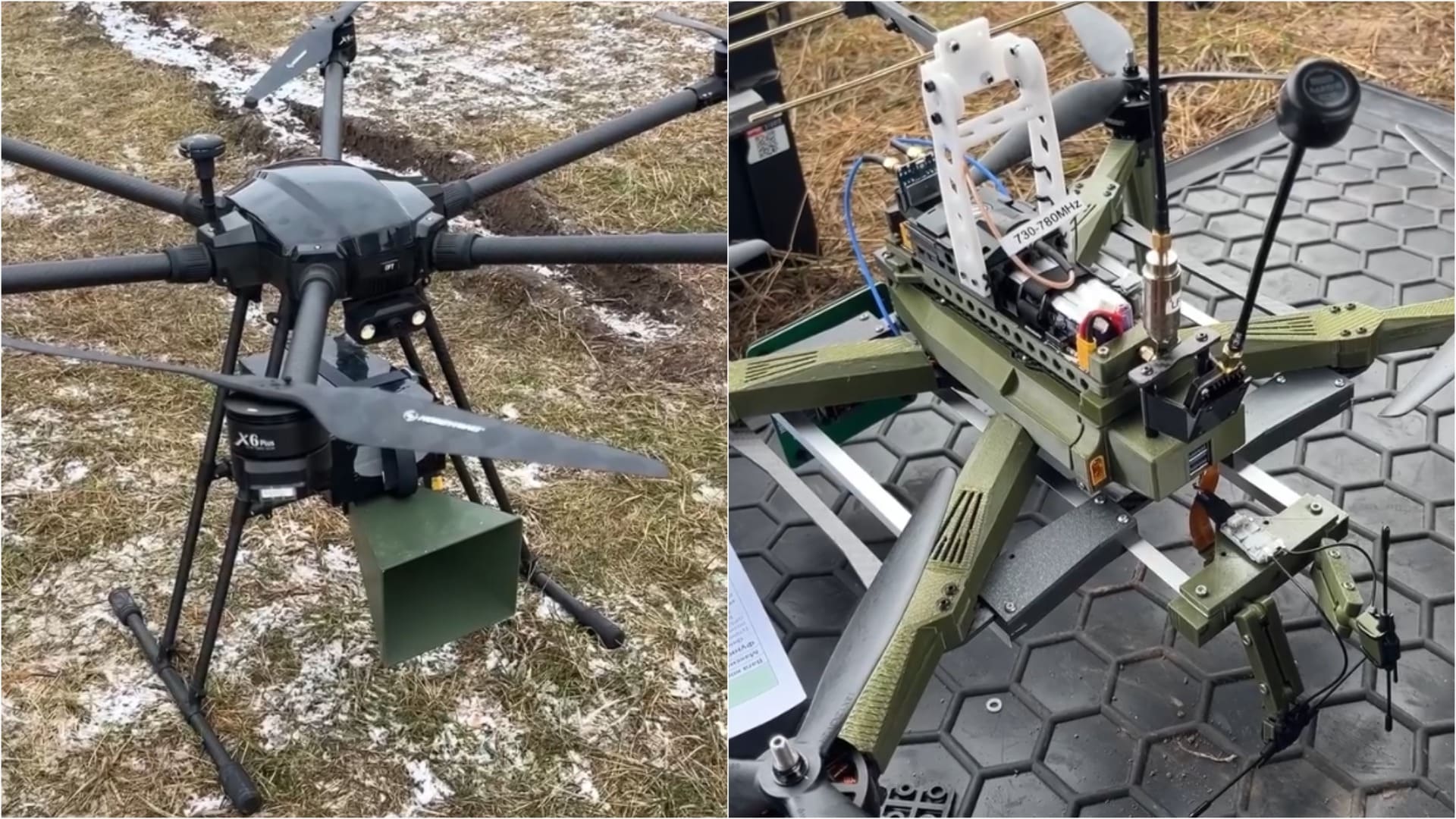
One of the most prominent applications of artificial intelligence in the war in Ukraine is its use in the field of drones. The Ukrainian army uses systems such as GNOM, a drone developed by the Ukrainian company Brave1, which uses AI for autonomous movement and target identification. These drones are capable of detecting and classifying military equipment with high accuracy, enabling more precise strikes with minimal risk to operators. Russia, on the other hand, deploys Lancet drones, which use advanced algorithms for target detection and navigation, enabling them to carry out precise strikes even in environments with heavy electronic interference.
Particularly noteworthy is the Ukrainian Delta system, a digital battle management system that integrates information from various sources, including drones, satellite imagery, and ground sensors. This system uses artificial intelligence to analyze vast amounts of data in real time, providing Ukrainian commanders with more accurate situational awareness. According to reports from the Ukrainian Ministry of Defense, the Delta system has significantly reduced the time needed to identify and strike enemy targets, in some cases from hours to just a few minutes.
Facial Recognition and Person Identification
A controversial but widely used application of AI in this conflict is facial recognition technology. Ukraine has implemented the Clearview AI system, which helps identify Russian soldiers captured or killed in combat. This system compares photographs with publicly available data from social media and other online sources. According to available information, Ukrainian authorities have used the system to identify more than 10,000 Russian soldiers, making it possible to inform their families and also gather evidence of possible war crimes. Russia similarly uses its own facial recognition systems, primarily technology developed by NtechLab, which is known for its FindFace algorithm. These systems are deployed at checkpoints in occupied territories and, according to reports by human rights organizations, are used to identify and subsequently persecute Ukrainian activists, former soldiers, and government officials.
Cyber Operations and AI
In the field of cybersecurity, artificial intelligence plays a key role in detecting and repelling attacks. Ukraine uses systems provided by Western allies, including technologies from Microsoft and Google, which use AI to identify potential cyber threats. These systems analyze network traffic patterns and identify anomalies that could indicate a cyberattack. Russian cyber operations, conducted by groups such as Sandworm and APT28, are also increasingly integrating elements of artificial intelligence. According to analyses by security companies such as Mandiant and CrowdStrike, these groups use advanced algorithms to automate the process of searching for vulnerabilities in Ukrainian systems and infrastructure. Particularly concerning is the trend of using generative AI to create more convincing phishing emails and deepfake videos, which are used in disinformation campaigns.
Autonomous Weapon Systems
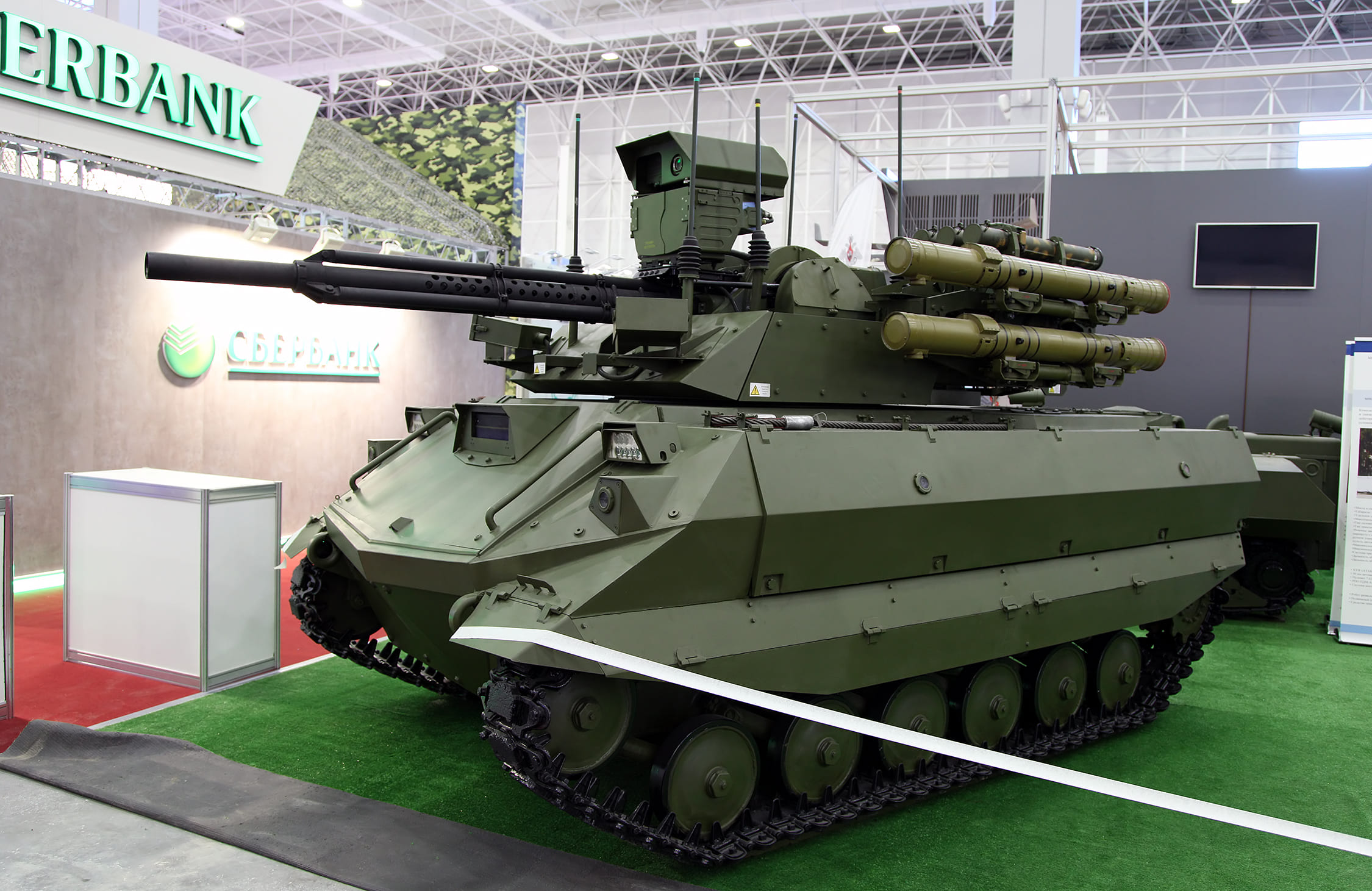
Although fully autonomous lethal weapon systems remain controversial, both sides of the conflict are experimenting with varying degrees of autonomy. Ukraine has deployed modified commercial drones equipped with computer vision systems that allow them to autonomously identify and track targets, although the final decision to attack is still made by a human operator. These systems, often developed in cooperation with Ukrainian technology startups, have significantly increased the effectiveness of Ukrainian drone strikes. Russia has reportedly deployed more advanced autonomous systems, including the Uran-9 robotic platform, which uses artificial intelligence for navigation and target identification. According to Russian sources, the system was deployed on a limited scale in the Donetsk region, although information about its actual effectiveness is contradictory. More concerning is the deployment of smart mines with AI elements, which can distinguish between different types of vehicles and activate only when military equipment is detected.
AI and Satellite Imagery Analysis
A significant area in which artificial intelligence has dramatically changed the course of the conflict is satellite imagery analysis. Ukraine uses services provided by companies such as Planet Labs and Maxar Technologies, whose satellite images are analyzed using AI algorithms to identify the movement of Russian troops, logistics hubs, and potential targets. This information is crucial for planning counteroffensive operations and strikes on command posts or ammunition depots. Particularly effective was a system developed in cooperation with British and American intelligence services that uses machine learning to detect changes in the terrain, making it possible to uncover, for example, newly built fortifications or the deployment of air defense systems. According to some sources, this system can identify changes that human analysts might miss, with an accuracy exceeding 90%.
Legal Aspects
The use of artificial intelligence in the war in Ukraine raises serious ethical and legal questions. While technologies such as autonomous drones and facial recognition systems increase military effectiveness, there are legitimate concerns about the possibility of errors that could lead to civilian casualties. International organizations such as Human Rights Watch and Amnesty International have repeatedly expressed concern that decisions to kill could be delegated to algorithms without adequate human oversight. Another problem is the question of accountability. If an autonomous system carries out an attack that results in civilian casualties, who is responsible? The developers of the technology, the military commanders who deployed the system, or no one? These questions remain largely unanswered, creating a dangerous precedent for future conflicts.
The Future of Warfare
The war in Ukraine represents a fundamental turning point in the history of warfare, in which artificial intelligence is ceasing to be merely a support technology and is becoming a key element of military operations. Both sides of the conflict are implementing AI systems in ways that would have been considered science fiction just a few years ago, thereby defining a new era of modern conflict. Technological development in this area is progressing at a dizzying pace, and it is likely that many innovations developed and tested in this conflict will shape future military doctrines around the world. While military strategists and technology enthusiasts may welcome this revolution, for the international community it remains an urgent challenge to create an adequate ethical and legal framework to regulate the use of these potentially destructive technologies. The war in Ukraine is therefore not only a tragic conflict in Eastern Europe, but also a troubling glimpse into the future of warfare in the 21st century.


