How Artificial Intelligence Is Changing the World of Graphic Design
Artificial intelligence (AI) is rapidly transforming the field of graphic design, reshaping workflows, skill requirements, and even the very nature of creative work. Let’s take a detailed look at how AI is influencing graphic design and how this technology is reshaping the entire industry.
Automation of Technical Tasks
Artificial intelligence tools are increasingly capable of automating complex and time-consuming aspects of the design process. Areas that previously required hours of manual work can now be handled within minutes thanks to advanced algorithms. In rendering and animation, AI can significantly reduce the time needed to render graphics and animations by optimizing processes that previously required manual intervention. Designers can now use artificial intelligence to automate complex parts of 3D modeling or generate realistic textures and lighting effects with minimal input. Routine adjustments such as cropping images, color correction, background removal, or resizing are processed quickly by platforms that use artificial intelligence. These previously tedious tasks are now completed in an instant, allowing designers to focus on more creative aspects of their work.
Enhancement of the Creative Workflow
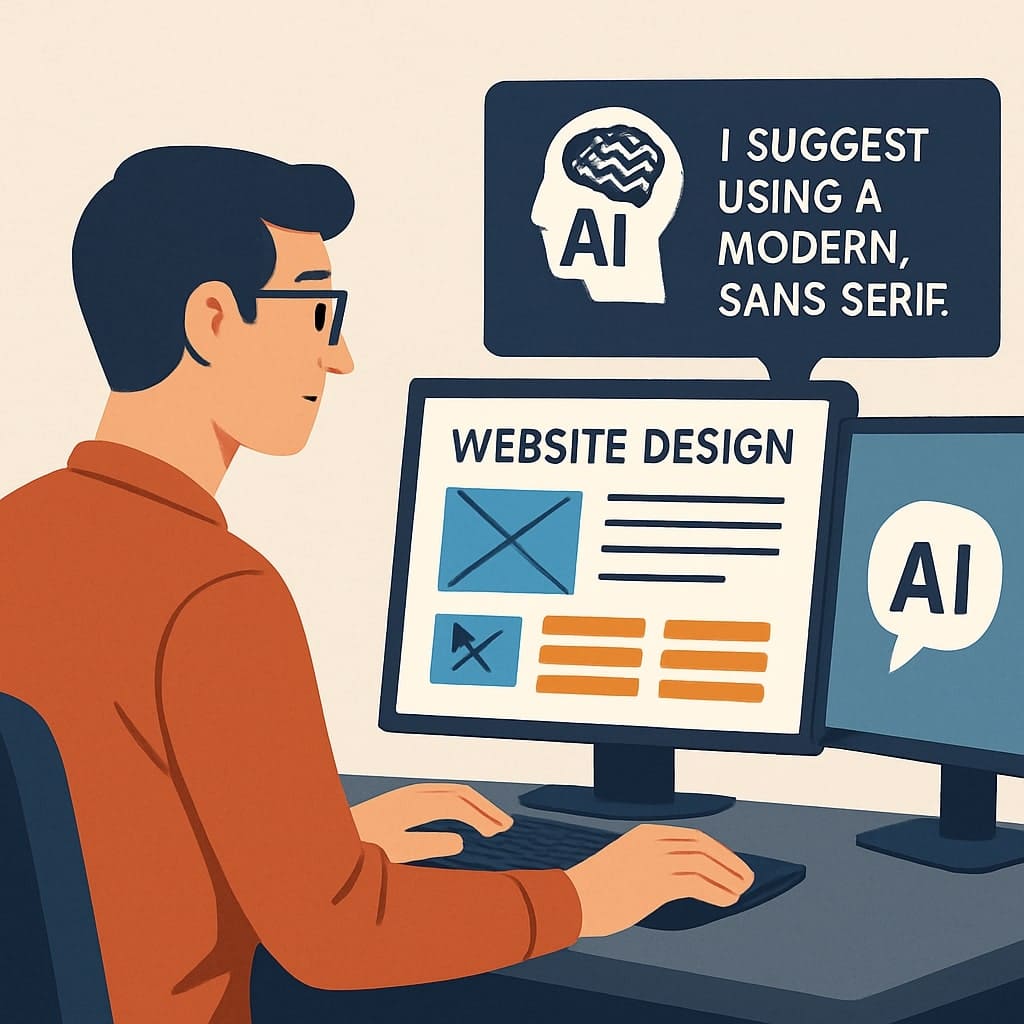
Rather than directly replacing designers, AI acts as a powerful assistant that expands their capabilities and provides new possibilities for creative expression. Modern software uses machine learning to suggest color palettes based on target audiences or create moods inspired by specific styles. Generative AI enables designers to create mockups or wireframes from simple commands or sketches within seconds. Advanced tools enable the rapid creation of dynamic visuals – such as motion graphics – from text prompts. Brands also use AI to efficiently generate photorealistic marketing images. This rapid prototyping capability allows designers to experiment with more designs in less time.
Changing Skill Requirements
The rise of intelligent automation means that designers must adapt to a new environment. Technical proficiency and knowledge of platforms such as Adobe Sensei and other machine-learning-driven tools are becoming essential. As repetitive tasks are automated, human designers are focusing more on conceptualization, creative direction, and problem-solving – and collaborating with AI to push the boundaries of what is possible. Designers are no longer evaluated solely on their technical skills, but increasingly on their ability to think strategically and use AI tools effectively to strengthen their creative visions.
AI is lowering the barriers to entry into graphic design, with far-reaching implications for the entire industry. People without design training can now create professional-quality work using intuitive templates and stylish designs provided by smart tools. Small businesses benefit from affordable access to high-quality branded materials without having to hire full-time designers. This increased accessibility of design means that more individuals and organizations can create quality visual content, while also increasing competition in the market.
Client Communication and Personalization
AI is simplifying client interactions in ways that were previously unimaginable. Platforms automatically track feedback; revisions happen more quickly because designs are adjusted instantly based on client requirements. Designers use the data analysis features in these tools to offer clients insights into trends and audience preferences – adding value beyond purely aesthetic aspects. The ability to quickly iterate on designs based on data and feedback significantly improves the collaboration process and leads to better final results.
According to forecasts from the World Economic Forum’s Future of Jobs Report, "graphic design will be the 11th-fastest-declining occupation between 2025-2030" - a shift largely attributed to advances in generative technologies. Nevertheless, demand for unique human creativity remains strong at higher levels: strategic storytelling, brand vision, and cultural sensitivity – all areas where people excel over algorithms. Ethical challenges related to bias in generated content are emerging; responsible use requires vigilance regarding inclusivity and representation.
Key Takeaways
The impact of AI on graphic design is complex and multifaceted. While some traditional graphic design jobs may decline as a result of automation, those who embrace new technologies will find opportunities in creative direction – curating ideas generated by both humans and machines – and providing unique value through strategy and innovation. The future belongs not only to those who create images, but to those who shape experiences using both human insight and artificial intelligence. AI is not replacing designers, but redefining their role – shifting it from technical execution toward strategic direction and creative oversight. In this new ecosystem, the most valued designers are those who can collaborate effectively with AI tools, think critically about their output, and use uniquely human perspectives to create work that resonates on a deeper level. As AI development in graphic design continues, one thing is certain: the industry will continue to transform in ways that expand creative possibilities while requiring designers to adapt and develop new skills in this rapidly changing environment.