

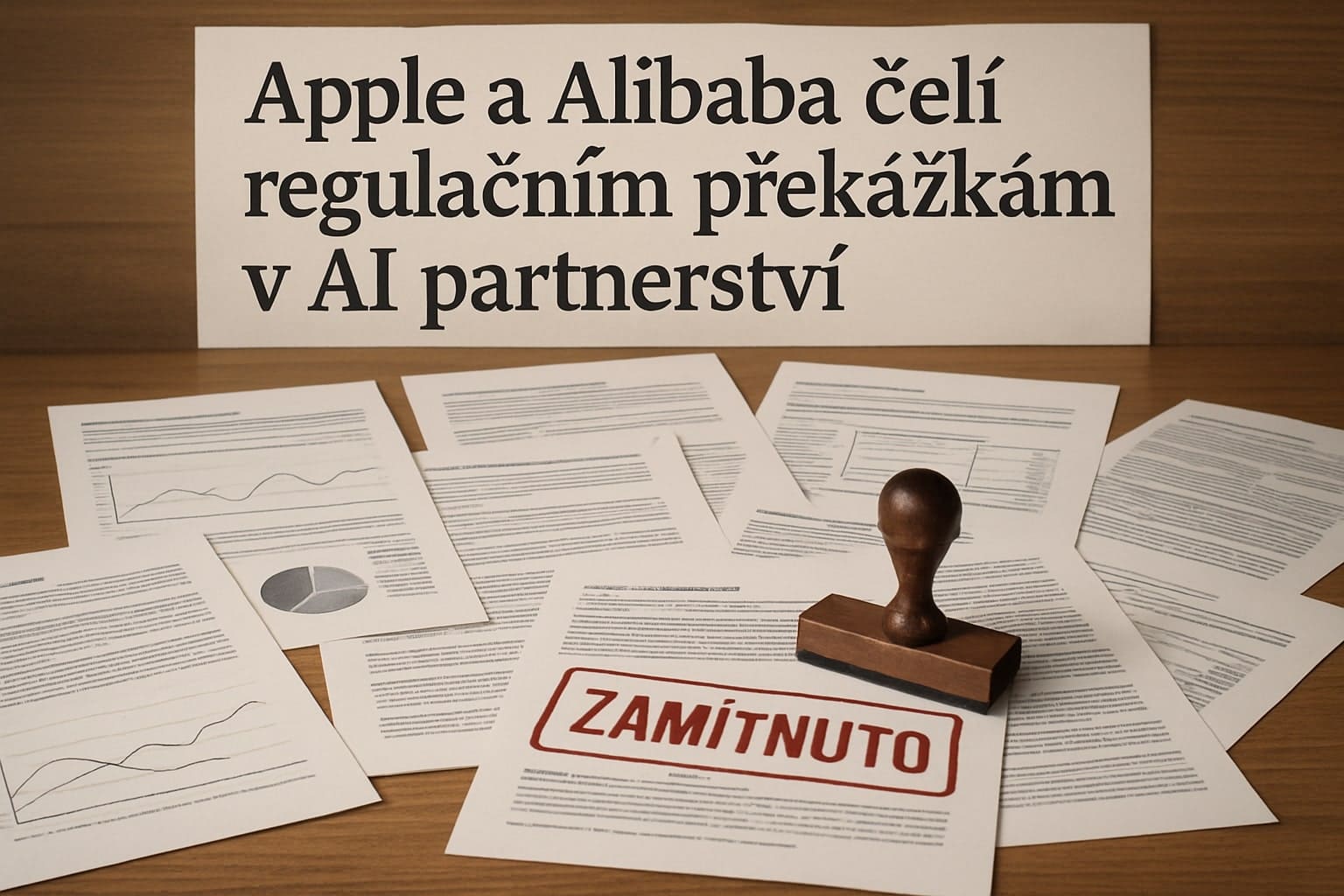
Apple and Alibaba Face Regulatory Hurdles in AI Partnership
The partnership between U.S. technology giant Apple and Chinese company Alibaba Group Holding is one of the most significant attempts at cross-border collaboration in artificial intelligence in 2025. This alliance was officially confirmed in February 2025 by Alibaba's chairman and aimed to bring advanced Apple Intelligence features to iPhones sold in the Chinese market. This collaboration is crucial for Apple to remain competitive in China, the company's second-largest market, which generated $16 billion in revenue in the first quarter of 2025. China is also a key region where Apple faces growing pressure from domestic brands such as Huawei and Xiaomi, which already offer their own AI assistants tailored to local preferences and regulatory requirements.
Regulatory Delays in China
The main obstacle to implementing the partnership has been the lack of regulatory approval from the Cyberspace Administration of China (CAC). Under current Chinese regulations, every company offering generative artificial intelligence services must undergo a thorough review by the CAC, which includes comprehensive testing of AI models and verification of their compliance with local security and censorship requirements. While the CAC has already approved more than 300 domestic AI models for public use, the Apple-Alibaba partnership remains uncertain due to heightened caution among Chinese authorities toward international technology alliances. Beijing has yet to grant its approval, leaving Apple unable to introduce its new AI features in the region while also jeopardizing the timeline for launching these services.
U.S. Security Concerns
Alongside the regulatory challenges in China, the partnership is facing intense scrutiny from U.S. authorities and the Trump administration. U.S. officials have expressed serious concerns about potential national security risks, specifically that collaboration with Alibaba could allow Chinese AI providers to obtain U.S. consumers' user data and improve their models, potentially benefiting the Chinese military and intelligence services. Members of Congress and security experts have highlighted Alibaba's ties to the Chinese government and military sector, raising questions about whether the company should be restricted from partnering with U.S. firms. The United States is currently evaluating whether additional restrictions or bans should be imposed on such partnerships, which could have far-reaching implications for future U.S.-China technology cooperation.
Significance for Both Companies
For Apple, this partnership represents a crucial strategy for remaining relevant in the Chinese market, where the company has experienced declining iPhone sales and faced growing competition from domestic manufacturers. Integrating locally compatible artificial intelligence through Alibaba's infrastructure would allow Apple to offer advanced AI features that comply with Chinese regulatory requirements without having to develop an entirely new platform specifically for the Chinese market. This approach could help Apple compete with Chinese rivals that have already successfully implemented their own AI assistants tailored to local linguistic and cultural needs. For Alibaba, partnering with Apple represents an opportunity to strengthen its leading position in China's artificial intelligence and cloud services market through collaboration with one of the world's most valuable brands, potentially significantly enhancing the credibility and reach of its AI technologies.
Current Status and Uncertain Future
As of early June 2025, the partnership remains at an impasse, with no specific timeline for resolving the regulatory obstacles. Apple has not officially commented on the specific details of the collaboration, while Alibaba's chairman has confirmed the alliance's existence without providing further details about the current status of negotiations with regulators. Geopolitical tensions between the United States and China, compounded by Donald Trump's return to the presidency with his nationalist rhetoric and threats of tariffs on technology imports, create additional uncertainty about the future of this partnership. Increased scrutiny of U.S.-related partnerships in critical areas such as AI suggests that similar international alliances will face increasingly stringent oversight from both governments. The timeline for resolving the situation remains uncertain, although sources suggest that the delays could be quickly lifted once the relevant authorities grant their approval, which nevertheless depends on the broader context of U.S.-China trade relations and geopolitical stability.


