Anduril and Meta to Create Military XR Technologies for the U.S. Army
Anduril Industries and Meta have announced a strategic partnership aimed at transforming how the U.S. Army uses extended reality (XR) on the battlefield. This collaboration represents a significant step forward in military technology and promises to deliver the most advanced augmented and virtual reality systems specifically designed for the needs of the armed forces. The partnership combines Meta's expertise in artificial intelligence and extended reality hardware with Anduril's defense-focused autonomous systems and command-and-control platforms.
A Partnership with a Revolutionary Approach
The shared goal of this collaboration is to design, build, and deploy a range of integrated XR products that will provide warfighters with enhanced situational awareness and simplify the operation of autonomous systems on the battlefield. A key aspect of this collaboration is integration with Anduril's Lattice platform, which delivers real-time battlefield intelligence through role-specific augmented and virtual reality interfaces. This integration allows users to access synthesized data from a wide range of sources, providing them with a comprehensive view of the battlefield through their XR devices. Users will have access to role-specific augmented and virtual reality interfaces that combine sensor data, AI analysis, and battlefield control into a single toolset.
The project is funded exclusively through private capital, eliminating dependence on public funds and enabling accelerated development and deployment timelines. By leveraging high-performance, commercially developed technologies for defense applications, the partnership aims to deliver cost-effective solutions and achieve significant savings for the military budget. This approach also enables faster innovation and adaptation of technologies to the military's changing needs. The companies plan to use commercial hardware and software to reduce costs and accelerate deployment, focusing on transferring proven consumer technologies to military environments. This development model represents a significant departure from traditional, often slow and costly military procurement.
Technological Innovations and the IVAS Program
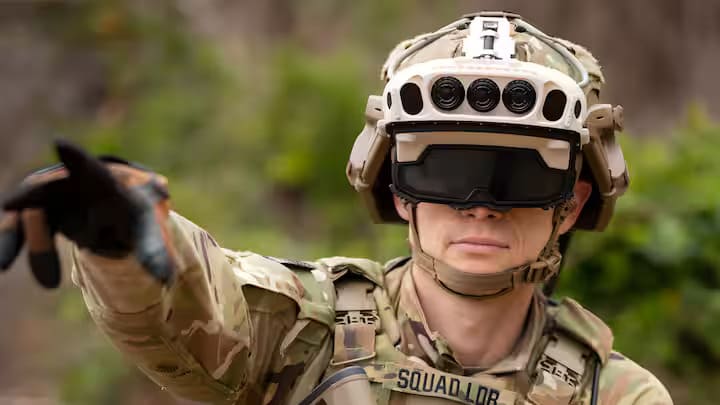
This collaboration builds on Anduril's takeover of the U.S. Army's IVAS (Integrated Visual Augmentation System) program, now rebranded as SBMC Next (Soldierborne Mission Command Next). Since taking over the contract from Microsoft, Anduril has dramatically reduced software update delivery times for the system—from six months to less than one day, a drastic improvement in operational efficiency. Meta's involvement in this project extends beyond merely providing hardware. The company is bringing its open-source AI models into the national security space, further enhancing the capabilities of the XR systems. XR headsets integrated with the Lattice platform are currently in the testing phase, indicating rapid progress toward field deployment.
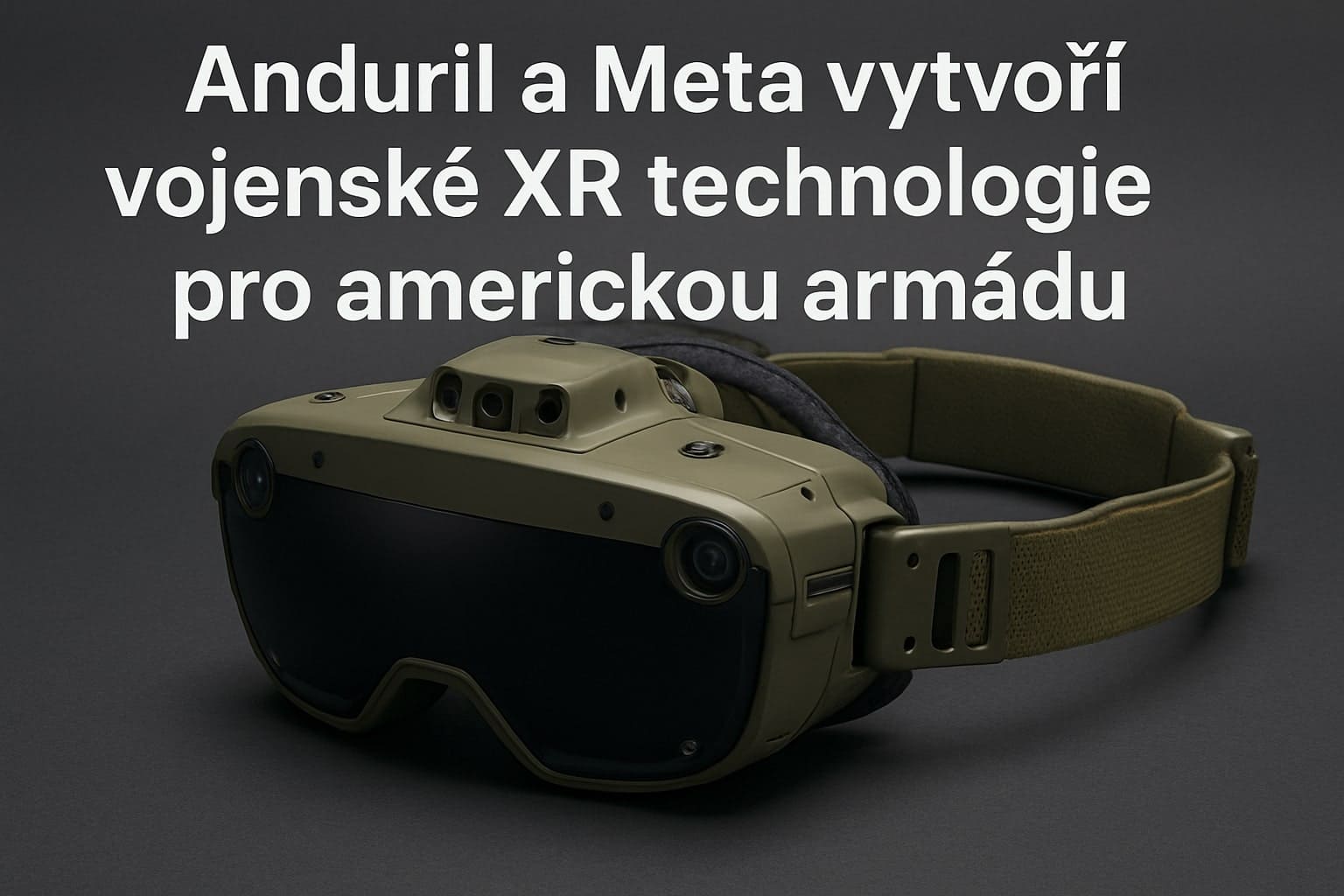
The first publicly unveiled product from this partnership is the EagleEye AR/VR helmet, positioned as a next-generation device for the U.S. Army. This helmet is intended to provide warfighters with "enhanced perception" and intuitive control of autonomous systems using both augmented and virtual reality capabilities. EagleEye represents a technological leap forward in military XR devices and has the potential to redefine how soldiers interact with digital information on the battlefield. The XR systems resulting from this partnership will be integrated with Anduril's Lattice platform, a command-and-control system that provides real-time battlefield intelligence.
Strategic Importance for Defense
This initiative underscores the evolution of defense technology, merging commercial XR innovations with battlefield requirements to deliver rapidly deployable and cost-effective military solutions. The collaboration also marks Meta's formal entry into the defense sector as a supplier, leveraging its technologies for national security applications after previously distancing itself from such work. Palmer Luckey, founder of Anduril, emphasized the deep integration of past and present technologies spanning Oculus, Meta, and Anduril, highlighting the mission to "turn warfighters into technological wizards." Mark Zuckerberg, CEO of Meta, expressed his company's pride in bringing advanced AI and AR technologies to support American soldiers.
This partnership represents a significant strategic move in defense technology that is set to redefine how the U.S. Army uses XR to gain operational advantages. By combining Meta's AR/VR expertise with Anduril's military integration capabilities, the effort focuses on the next phase of the Army's IVAS program and signals broader changes in the defense XR landscape. The collaboration demonstrates the direction modern military technology is taking—away from traditional, costly, and slow military projects and toward faster, more innovative solutions based on commercial technologies.