

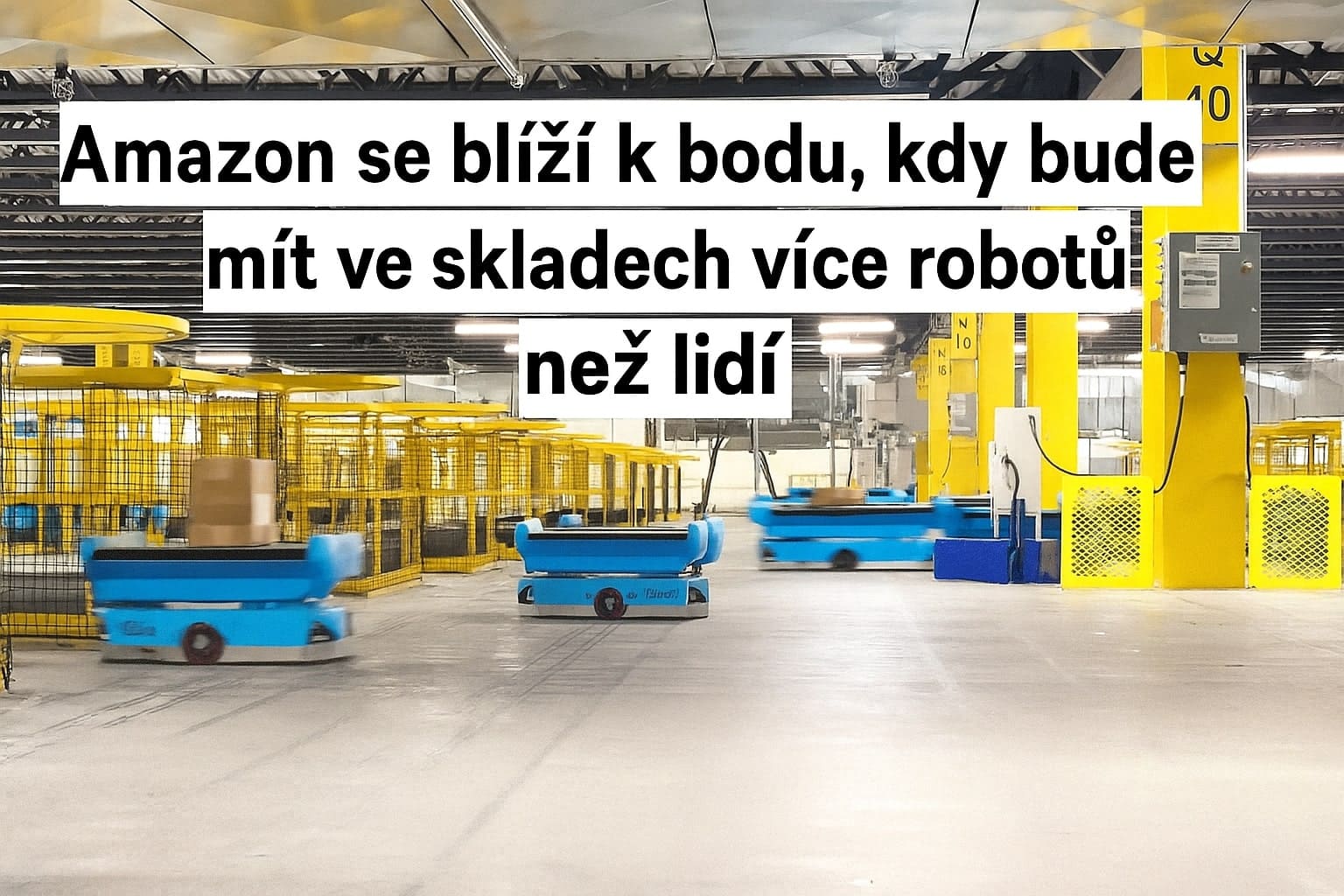
Amazon Is Approaching the Point Where It Will Have More Robots Than People in Its Warehouses
Amazon has reached a significant milestone in warehouse automation: the company has now deployed more than one million robots across its operations, the highest number in its history and close to the number of human employees working in these facilities.
The Robotic Transformation of Warehouses
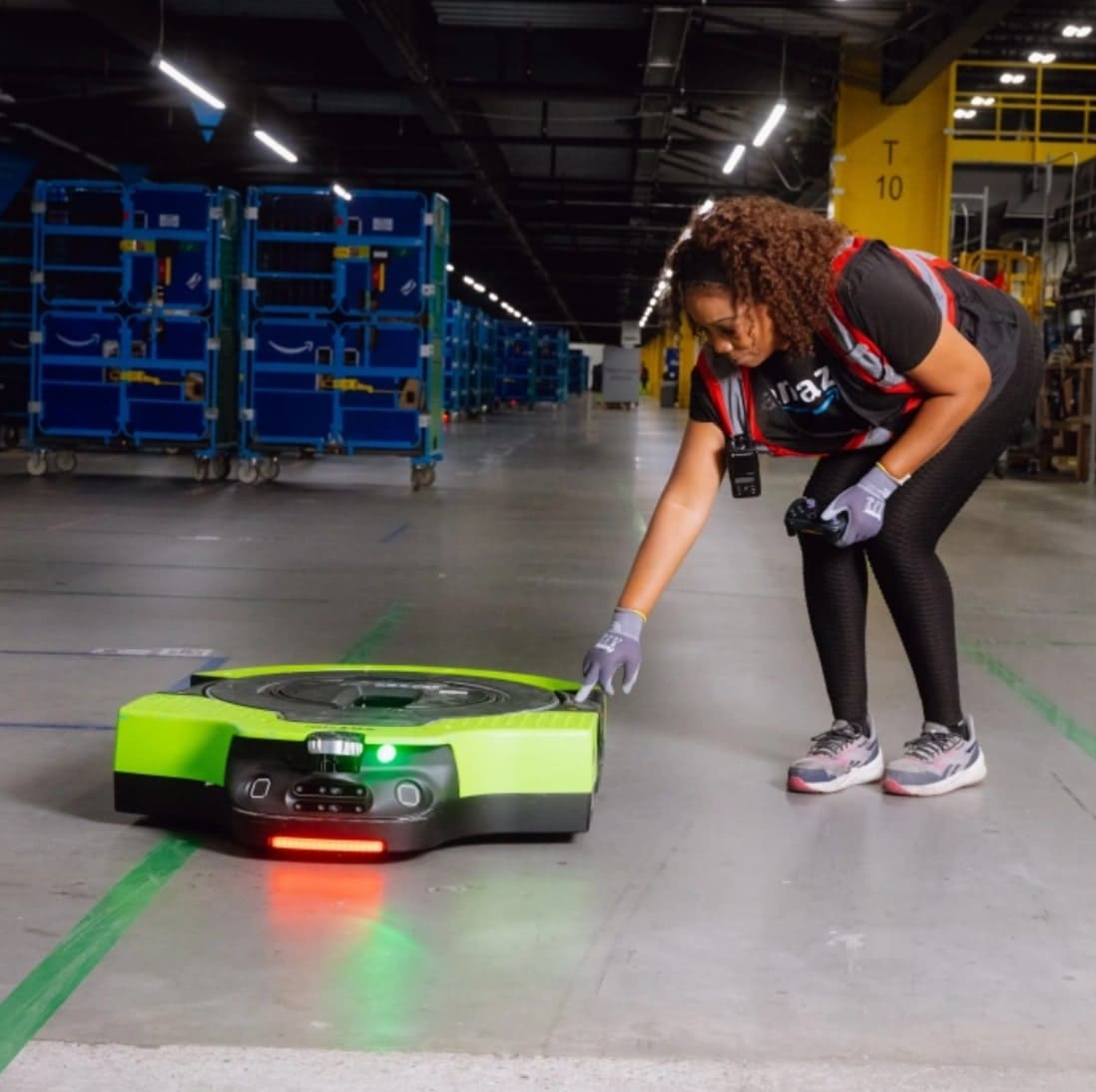
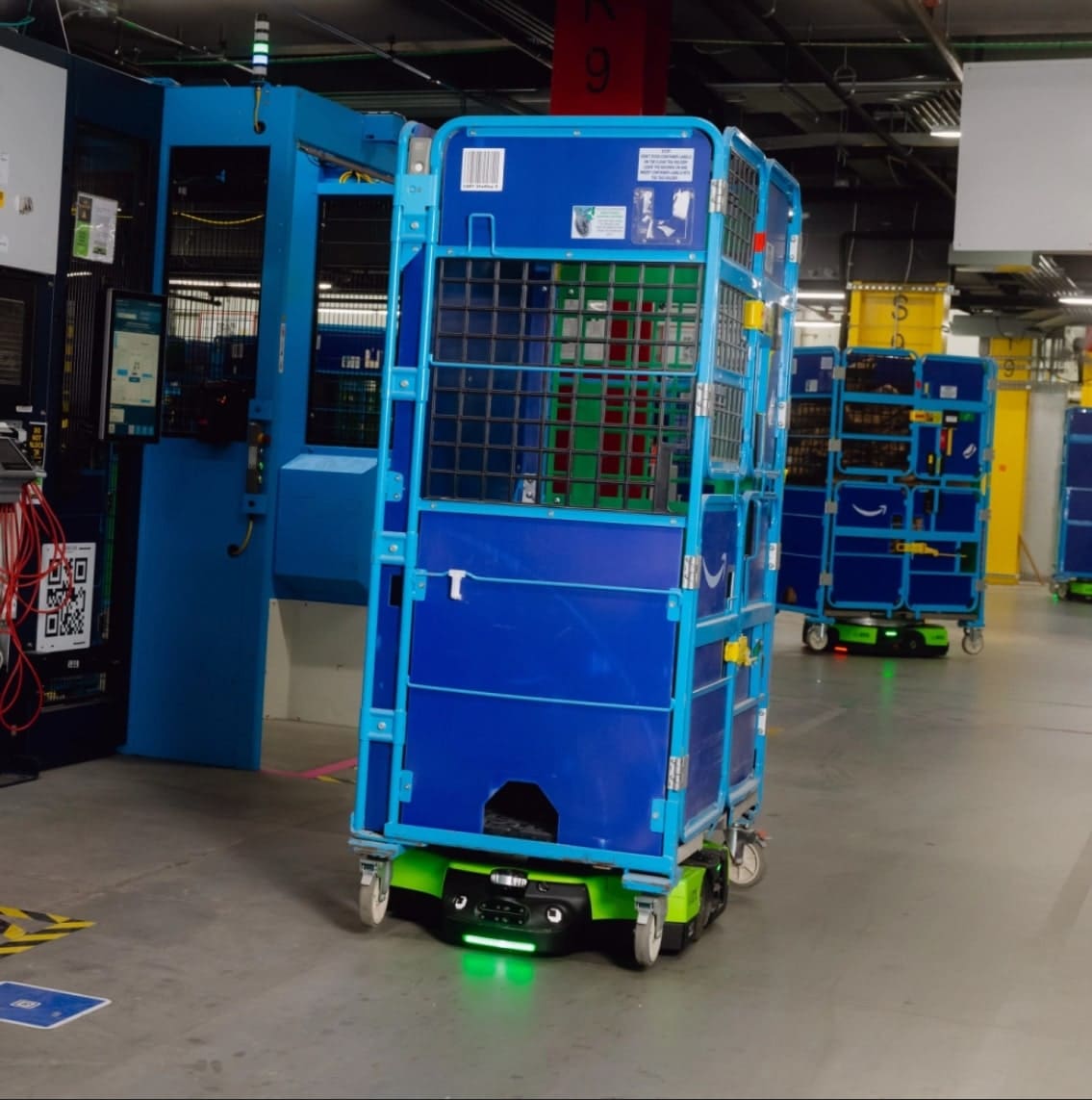
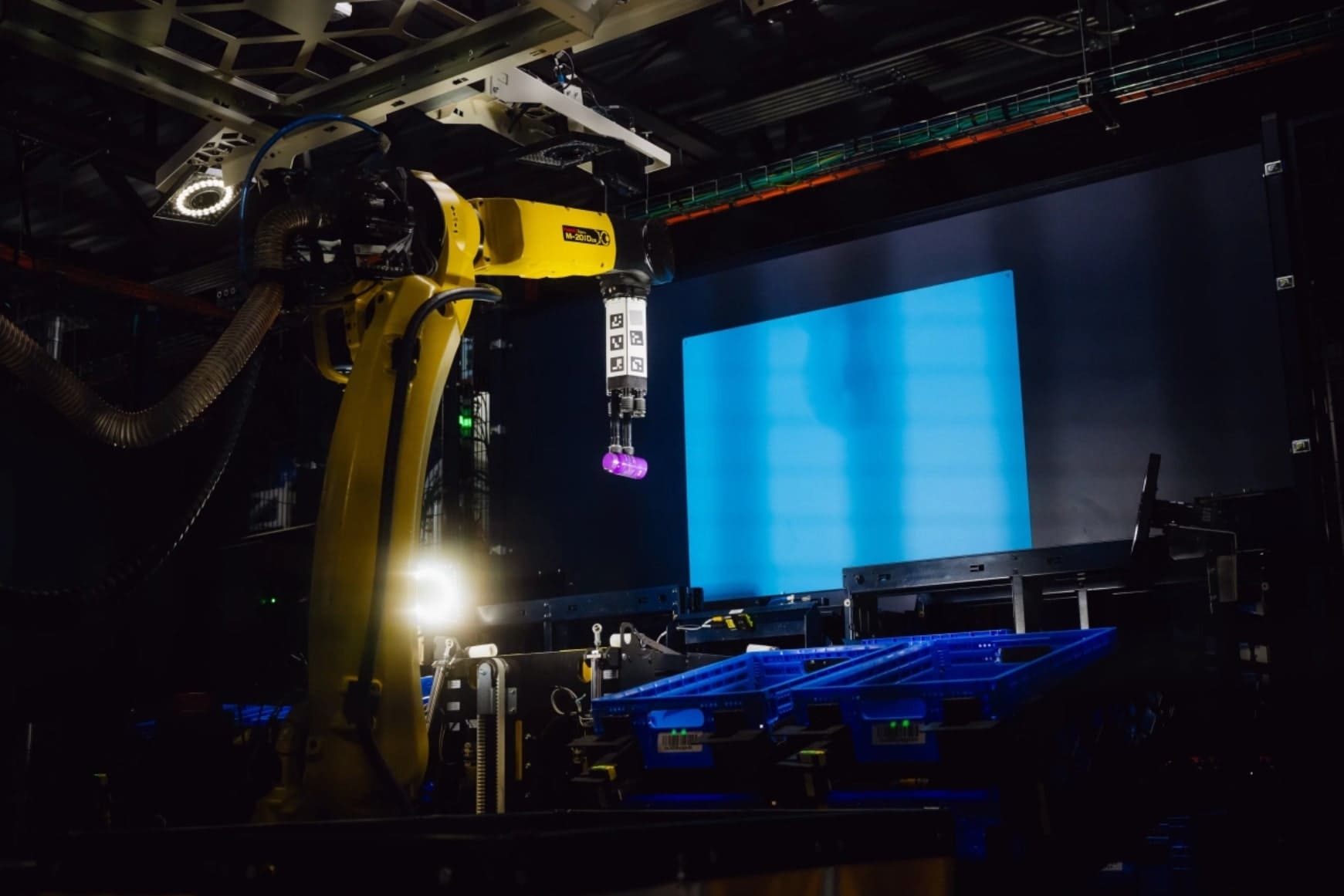
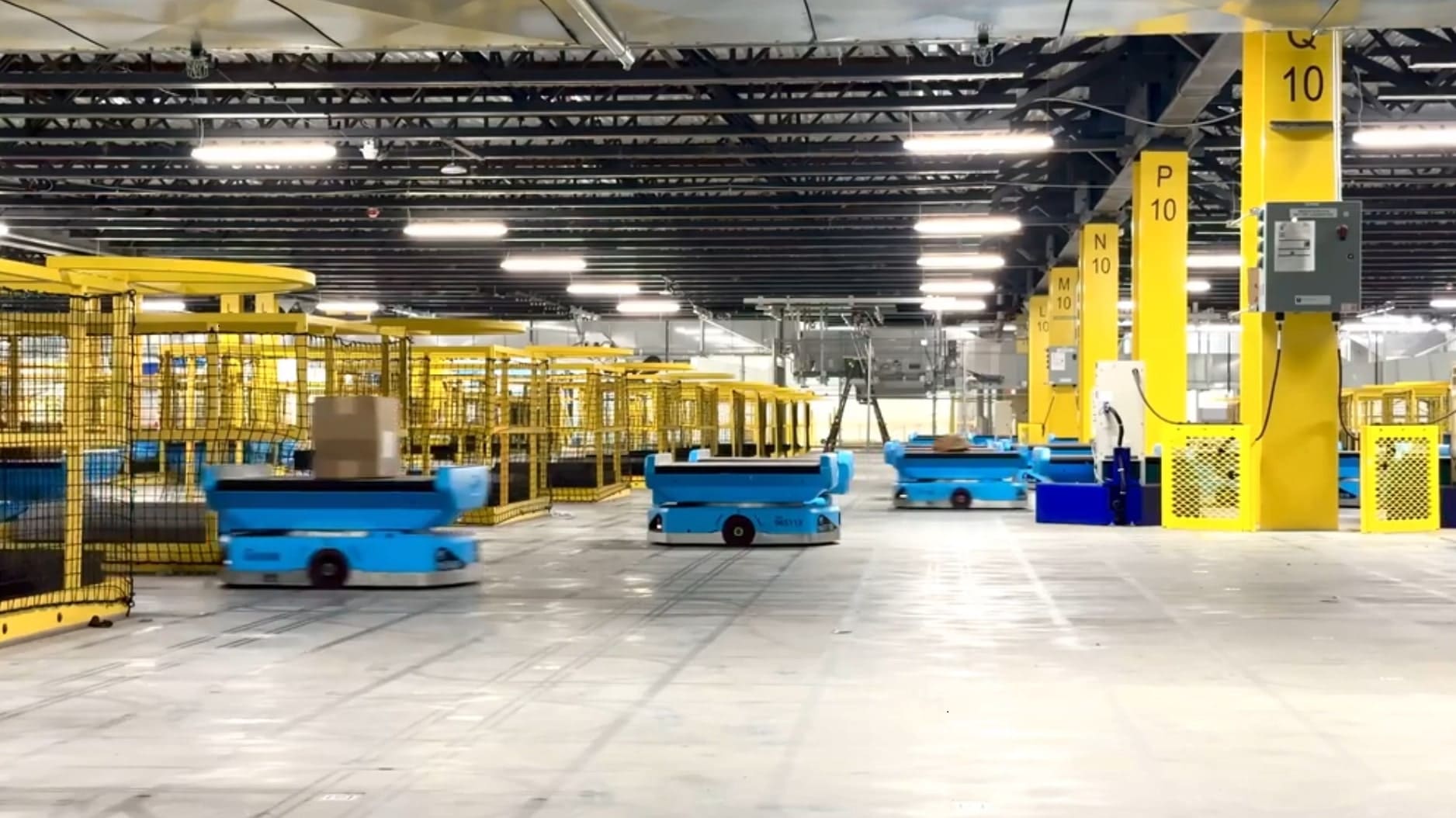
In Amazon's warehouses today, metal arms deftly pick items from shelves, while mobile robots transport goods to packing stations. Automated systems help sort and package shipments.
One of the newest robots is a machine called Vulcan, which has a tactile sensor that allows it to grasp items from different shelves. Amazon has integrated its robots with order fulfillment processes so that the machines can work together.
"They are one step closer to achieving full robotics integration," said Rueben Scriven, research manager at consulting firm Interact Analysis.
The Impact of Automation on Productivity
According to company data, approximately 75% of Amazon's global deliveries are now supported by robotics in some way. Increasing automation has helped the company improve productivity and ease the pressure of addressing issues such as high employee turnover.
For some employees, automation has meant replacing monotonous work with more skilled tasks involving machine management. Neisha Cruz, who spent five years picking items at a warehouse in Windsor, Connecticut, was trained to oversee robotic systems. Today, she sits in front of a computer screen in an office in Tempe, Arizona, and earns approximately 2.5 times more than she did when she started.
Changes in the Employment Structure
Amazon employs approximately 1.56 million people in total, most of whom work in warehouses. The average number of employees per facility last year was approximately 670, the lowest in 16 years, according to a Wall Street Journal analysis.
The number of packages Amazon ships annually per employee has also risen steadily since 2015, from approximately 175 to about 3,870, reflecting the company's productivity gains.
Artificial Intelligence and the Vision for the Future
CEO Andy Jassy said that Amazon is introducing artificial intelligence into its warehouses "to improve inventory placement, demand forecasting, and the efficiency of our robots." Amazon plans to reduce the size of its overall workforce over the next few years.
The company began introducing advanced robotics into its warehouses after acquiring Kiva Systems for $775 million in 2012.
At a 3-million-square-foot facility in Shreveport, Louisiana, more than six dozen robotic arms sort, stack, and consolidate millions of items. Products move through the facility 25% faster than at other locations.
Training and New Professions
Amazon has trained more than 700,000 workers worldwide for higher-paying jobs involving robotics. "Entirely new professions are emerging," such as robot technicians, said Yesh Dattatreya, a senior applied scientist at Amazon Robotics.
Dattatreya leads a team implementing more advanced artificial intelligence systems in robotics, with the goal of transforming future warehouse robots into assistants that respond to verbal commands.
Amazon is also testing humanoid robots from Agility Robotics with legs, arms, and heads, which are still in the research and development stage.
Amazon Robotics Chief Technologist Tye Brady emphasized that the company will continue to need many workers and that the new robots are intended to make their jobs easier, not replace them.
However, Sheheryar Kaoosji of the Warehouse Worker Resource Center expressed concerns about the long-term impact on employment. The company's "dream" is to achieve "a significant reduction in the workforce at high-density facilities," he said.


