

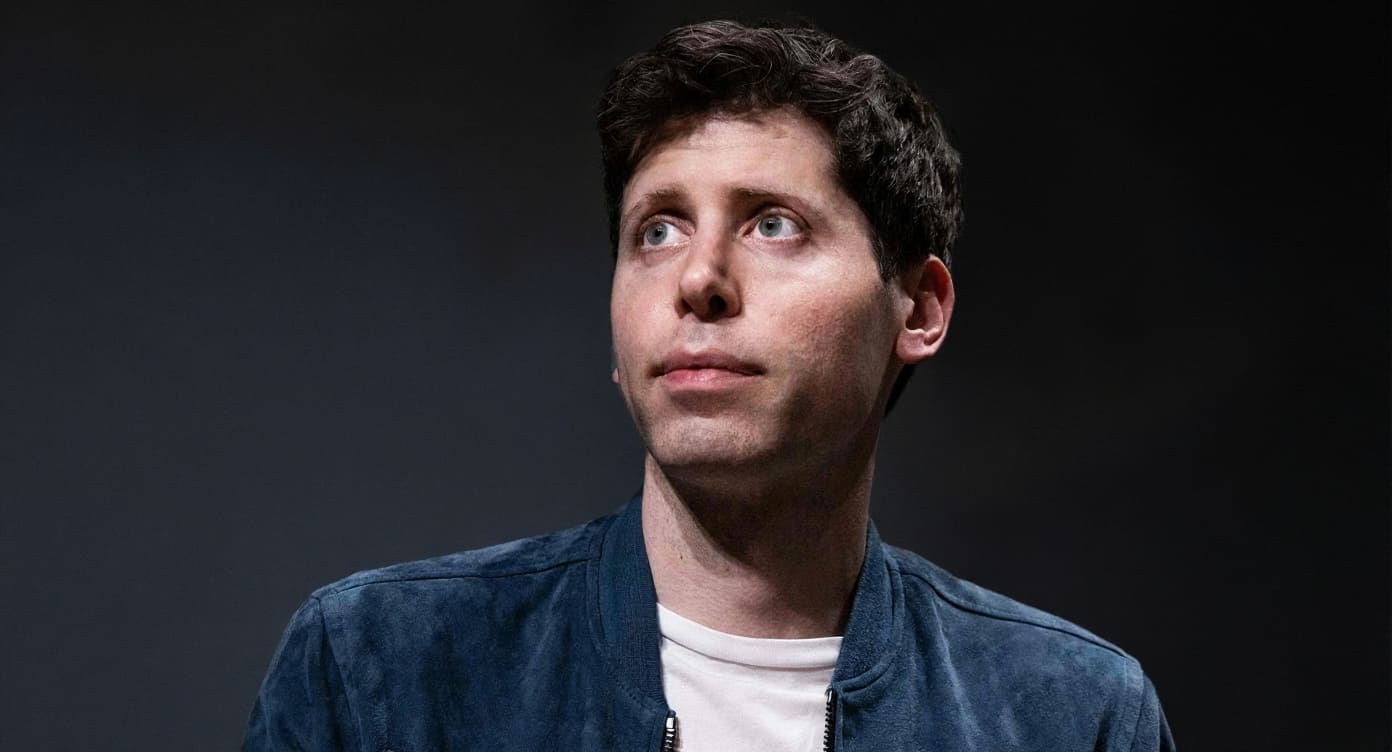
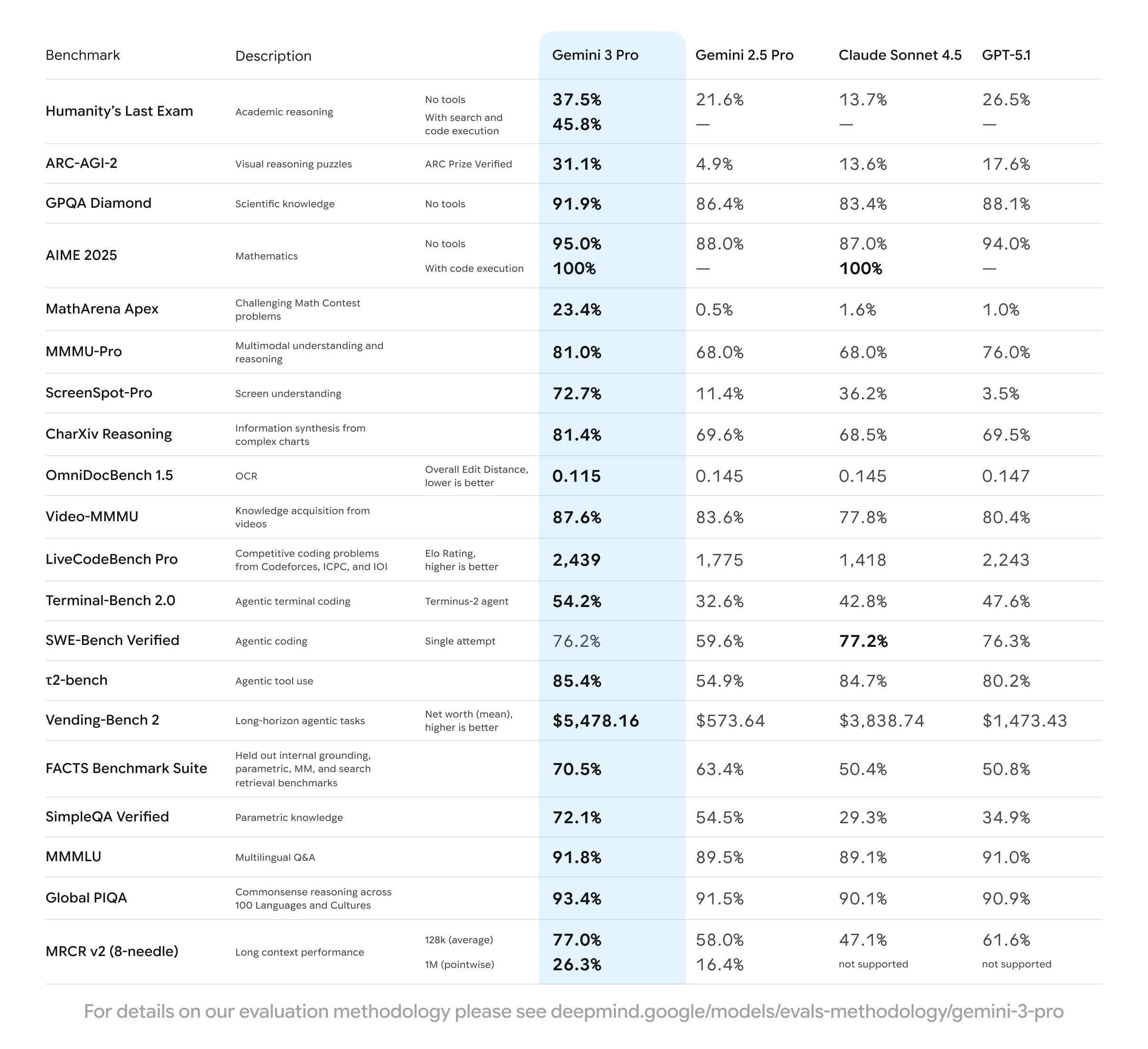
OpenAI is facing growing pressure from Google, whose Gemini 3 model has taken the lead in many benchmarks. According to an internal memo from OpenAI CEO Sam Altman, published by The Information, the company expects temporary economic headwinds due to Google's advances in artificial intelligence. Altman told employees that Google has been doing excellent work lately, particularly in model pretraining, where AI learns from vast amounts of data. This fundamental process appeared to be reaching its limits, but Google has demonstrated that significant improvements are still possible.
Altman acknowledged that OpenAI has been struggling to make progress in pretraining, which also became apparent during the development of GPT-5, when optimizations stopped working as the model was scaled up. Google, meanwhile, has taken first place in almost every benchmark with Gemini 3. Gemini 3 has emerged as a model that surpassed OpenAI in development methods. Altman expects public sentiment to remain unfavorable for a while, but emphasized that OpenAI is focusing on ambitious goals, including automating AI research itself to accelerate breakthroughs.
Shallotpeat: The Secret Plan to Fix the Flaws
OpenAI is working on a new language model codenamed Shallotpeat, which is intended to fix flaws in the pretraining process. According to a person familiar with the situation, this model is specifically designed to address issues with data and training fundamentals. The codename Shallotpeat refers to a shallot that does not grow well in peat—symbolizing the effort to improve the model under difficult conditions. In his memo, Altman assured the team that OpenAI would catch up with the competition, even if that means temporarily falling behind under the current system.
This could be the model that OpenAI plans to release as early as next week. According to internal tests, it outperforms Google's Gemini 3. The release is part of a broader effort designated "Code Red," an internal term for an emergency response to competitive pressure. Google expanded its Gemini chatbot from 450 million monthly active users in July to 650 million in October, making it a formidable competitor to OpenAI.
Projects Delayed to Focus on ChatGPT
To fully focus on improving ChatGPT and the new model, OpenAI is postponing other commercial plans. Advertising and the development of autonomous AI agents for shopping or healthcare tasks are being put aside. The Pulse personalized news service has been deprioritized. Instead, resources are being directed toward improving model behavior in ChatGPT and image generation, where OpenAI is feeling pressure following the release of Google's Nano Banana Pro model alongside Gemini 3.
Three years ago, the situation was reversed—Google declared its own "Code Red" over the threat posed by ChatGPT, leading to major changes and ultimately to the Gemini family of models. OpenAI is now responding in a similar way to maintain its position.
Google's advances in AI are creating temporary economic challenges for OpenAI, as Altman described in his internal memo. The company is focusing on long-term goals, such as achieving superintelligence, with most of the research team expected to remain focused on these ambitions. According to a report from Bloomberg, OpenAI is no longer the undisputed leader in generative AI, underscoring the need for a rapid response.


