

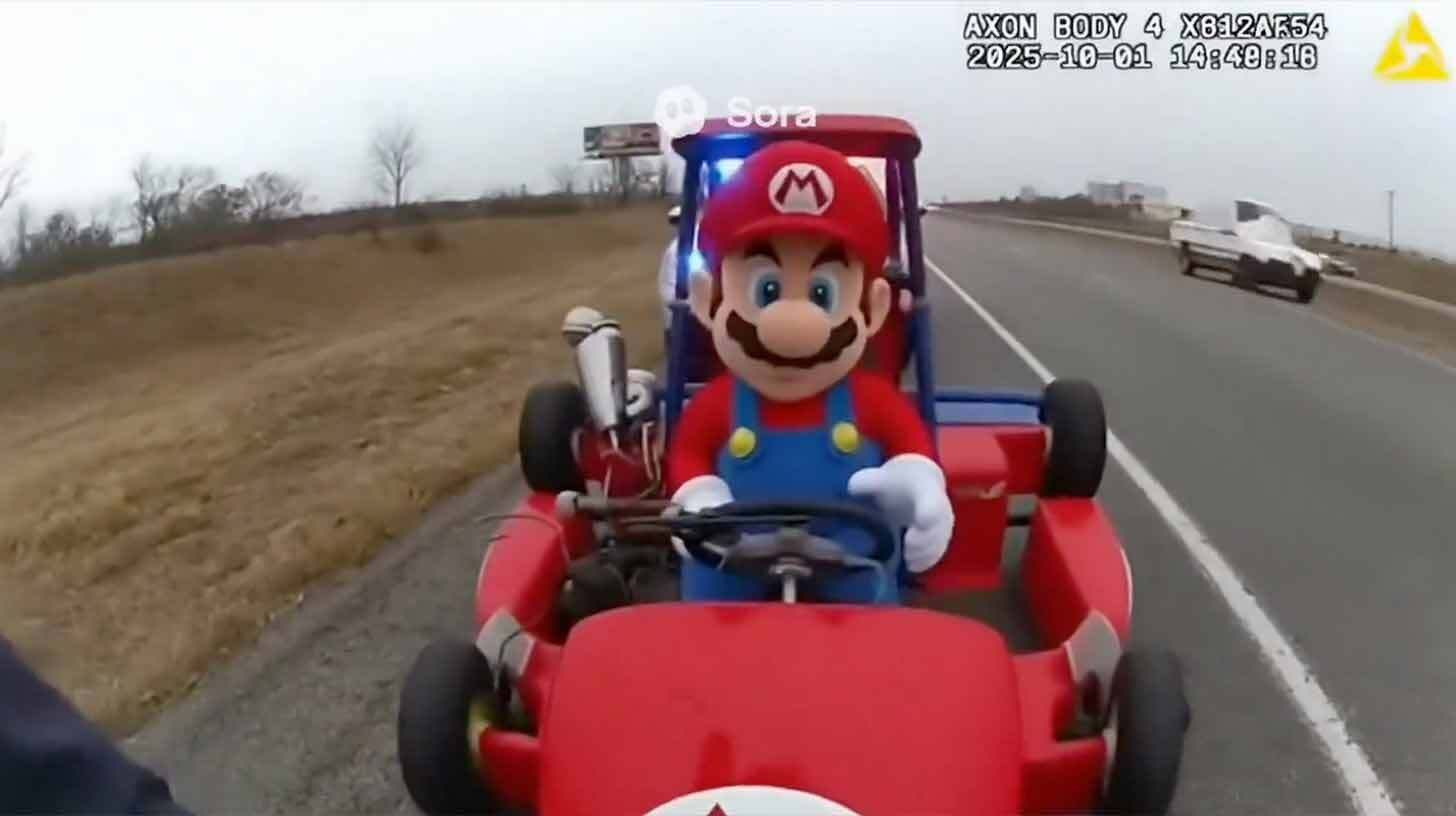
OpenAI launched Sora 2 in late September 2025, and the platform immediately became a hit. Within just 24 hours, it reached the top spot in the Apple Store in the US and Canada, surpassing even apps such as Gemini and ChatGPT. This rapid success generated enormous interest among users, who are creating videos featuring characters such as Pikachu and Mario, as well as likenesses of celebrities such as Michael Jackson and Bob Ross. The platform was flooded with such videos, raising questions about copyright and the use of protected content.
Sora 2 introduces advanced features such as synchronized dialogue and sound effects, improved physics, and better consistency across multiple shots. Video generation has become more realistic and controllable, attracting thousands of users. The app is currently available only for iOS in the US and Canada, but plans include expansion to the web and API. OpenAI has added visible watermarks and built-in Content Credentials (C2PA) metadata to identify AI-generated content.
Transition to Opt-In Controls
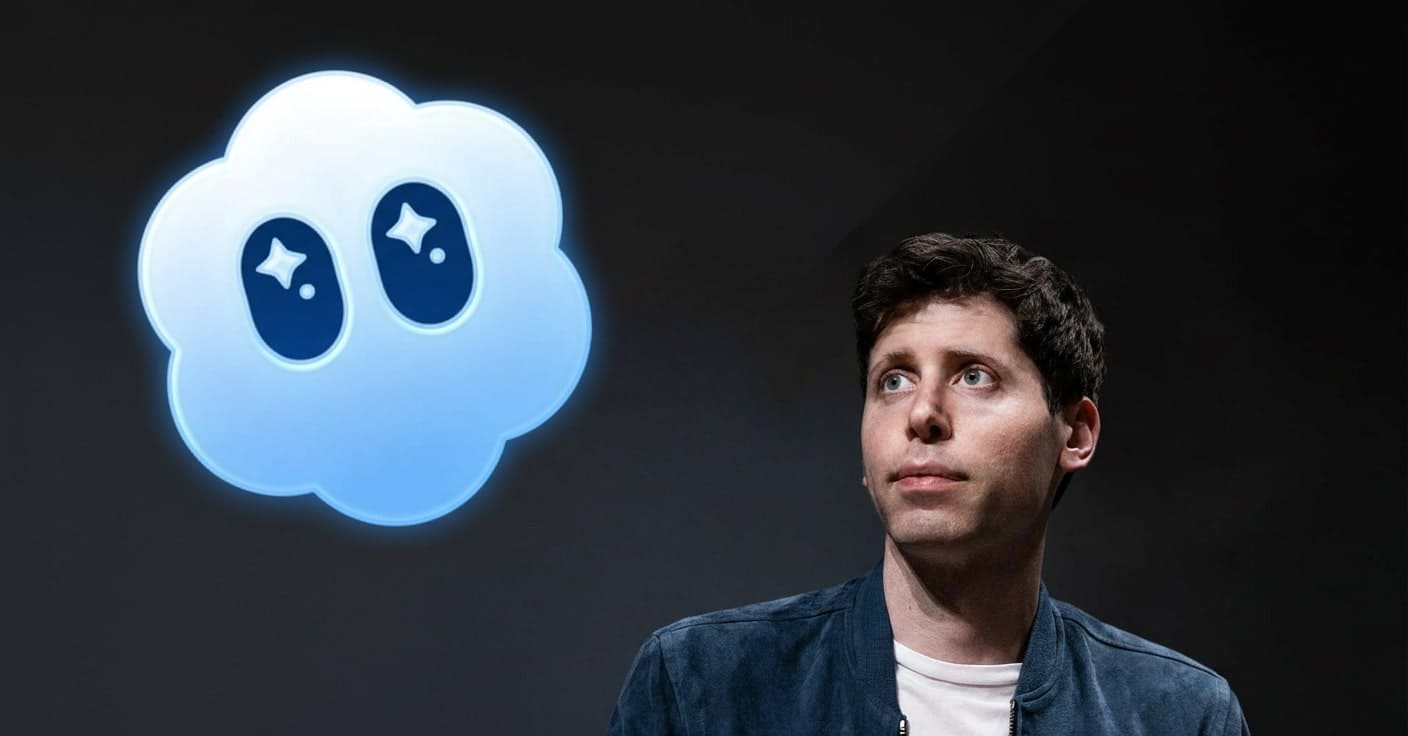
OpenAI CEO Sam Altman announced important changes to the company’s approach to copyright in a blog post. Originally, the system operated on an opt-out basis, where rights holders had to actively prohibit the use of their characters. This is now changing to an opt-in model, where rights holders must explicitly consent to the use of their characters and can specify exact conditions. This granular system allows creators to decide exactly how their characters may be used, including prohibiting their use entirely.
Altman mentioned that many rights holders are excited about a new kind of interactive fan creation that can generate value. OpenAI recognizes the exceptional creativity coming from Japan, where the connection between users and content is particularly strong. Nevertheless, they expect that some generations may slip through and plan to iterate to improve the system. The goal is to apply the same standard to everyone and let rights holders decide.
Revenue-Sharing Plans
Another major change is the need to monetize video generation, as users are creating far more content than expected, often for small audiences. OpenAI plans to share a portion of the revenue with rights holders who allow their characters to be generated. This model is intended to create value for original creators through user-generated content (UGC) while also monetizing the platform.
The exact model will require testing, but the launch is planned soon. Altman hopes that this new type of engagement will be even more valuable than revenue sharing itself, but they want both. These changes follow a week that resembled the Wild West, with questions surrounding copyright in the AI era that legal systems are not yet fully prepared to address.
Frequent Adjustments
OpenAI expects rapid changes, similar to the early days of ChatGPT. They will make good decisions as well as mistakes, but promise quick fixes based on feedback. Changes to the Sora app are expected to be applied consistently across other products as well. This approach responds to concerns from Hollywood and other studios, which see AI as both an opportunity and a risk. Sora 2 is thus setting a new standard for the responsible use of AI in video creation, where innovation meets the protection of rights.


