Google's parent company, Alphabet, has announced a plan to sell $80 billion worth of shares. It is the largest stock sale in history. The money will be used to build data centers and computing infrastructure for artificial intelligence, as current capacity is insufficient to meet customer demand. The deal also includes a direct $10 billion investment from Berkshire Hathaway.
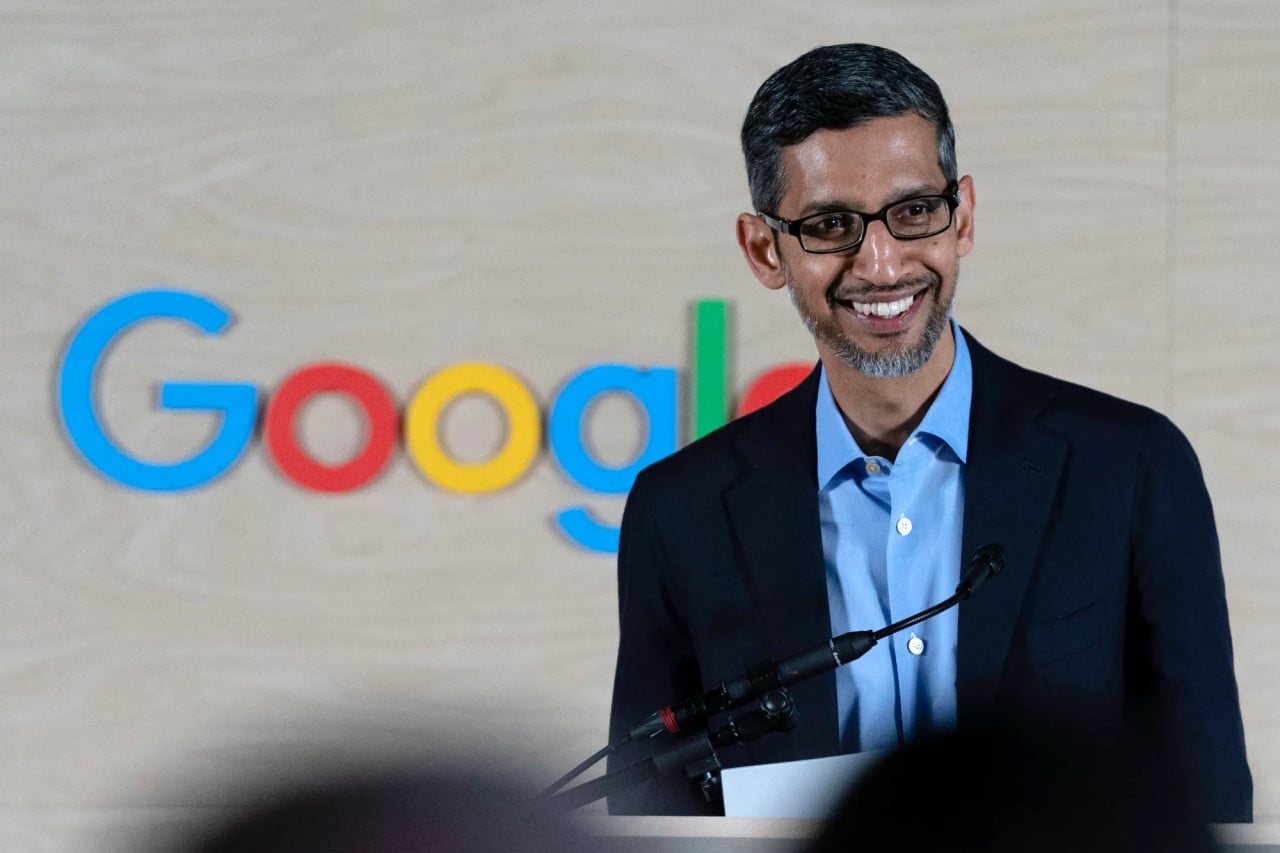
Sundar Pichai, Google's CEO, was recently asked what keeps him up at night. His answer was: "computing capacity." Demand for Alphabet's AI services is growing faster than the company can build infrastructure. "Whether it is energy, land, or supply chain issues, scaling up is essential to meet extraordinary demand," Pichai said.
Alphabet plans to spend $180 billion to $190 billion on infrastructure investments this year, $5 billion more than estimated at the beginning of the year. According to the company, 2027 is set to be even more expensive. Overall, the four largest U.S. technology companies—Alphabet, Microsoft, Amazon, and Meta—are expected to spend more than $700 billion on AI infrastructure this year. By 2027, Wall Street analysts estimate that total investment will exceed $1 trillion.
$80 billion and borrowing
The plan has three parts. Ten billion dollars will come from Berkshire Hathaway through a direct private stock sale at a discount to the price at which the shares traded on Monday. Alphabet will raise another $30 billion through traditional underwritten offerings, half of it in the form of depositary shares linked to mandatory convertible preferred stock. The company will then gradually raise the remaining $40 billion by selling shares directly on the market, with the program set to begin in the third quarter of this year.
Analysts noted that the total amount exceeds the combined proceeds of the three largest initial public offerings. Saudi Aramco raised $25.6 billion in its 2019 market debut, Alibaba raised $21.8 billion on the New York Stock Exchange in 2014, and SoftBank raised $21.3 billion in its 2018 Tokyo listing.
Over the past year, Alphabet has borrowed more than $85 billion through bond issues in six different currencies and markets. In February, it conducted a global bond sale worth more than $30 billion, following a $25 billion bond issue in November 2025. The company's total debt has thus exceeded $100 billion. Nevertheless, it is now opting to raise funds through shares. According to analysts, the reason is clear: with interest rates rising, issuing new shares is a cheaper source of capital than taking on additional debt. This move allows the company to preserve financial flexibility before spending rises significantly again in 2027.
Morningstar describes this shift as a "decisive return by technology companies to public markets." Analyst Michael Field points out that this move reverses Alphabet's previous policy, as the company had spent years buying back its own shares from the market rather than issuing new ones.
The news did not please the markets. Following the announcement, Alphabet shares fell by approximately 4% during Tuesday's trading to $361, after closing at $376 on Monday. Share dilution from a new stock sale is a common reason for a decline in the share price. By the afternoon, the situation had partially stabilized, and the decline narrowed to approximately 1.4%.
Berkshire Hathaway and its ticket into AI
Berkshire Hathaway began buying Alphabet shares in the third quarter of 2025. In November of that year, Warren Buffett's company disclosed an initial position worth $4.3 billion, making it one of its most significant technology investments in recent years. Last year, Buffett handed over the leadership of Berkshire Hathaway to Greg Abel. In May this year, the holding company more than tripled its stake to $16.6 billion, making Alphabet one of its largest equity positions.
The new $10 billion investment further increases this stake. "This new purchase underscores Greg Abel's conviction that Alphabet will earn a reasonable return on its AI infrastructure spending, despite issuing new shares," commented Bill Stone, chief investment officer at Glenview Trust Company.
"AI is driving an expansive moment for Alphabet. The company is experiencing strong demand for its AI solutions and services from businesses and consumers at levels that exceed available capacity," Alphabet said in its statement.
Sources: finance.yahoo.com, reuters.com and cnbc.com