Alibaba Plans Global Data Centers with Nvidia
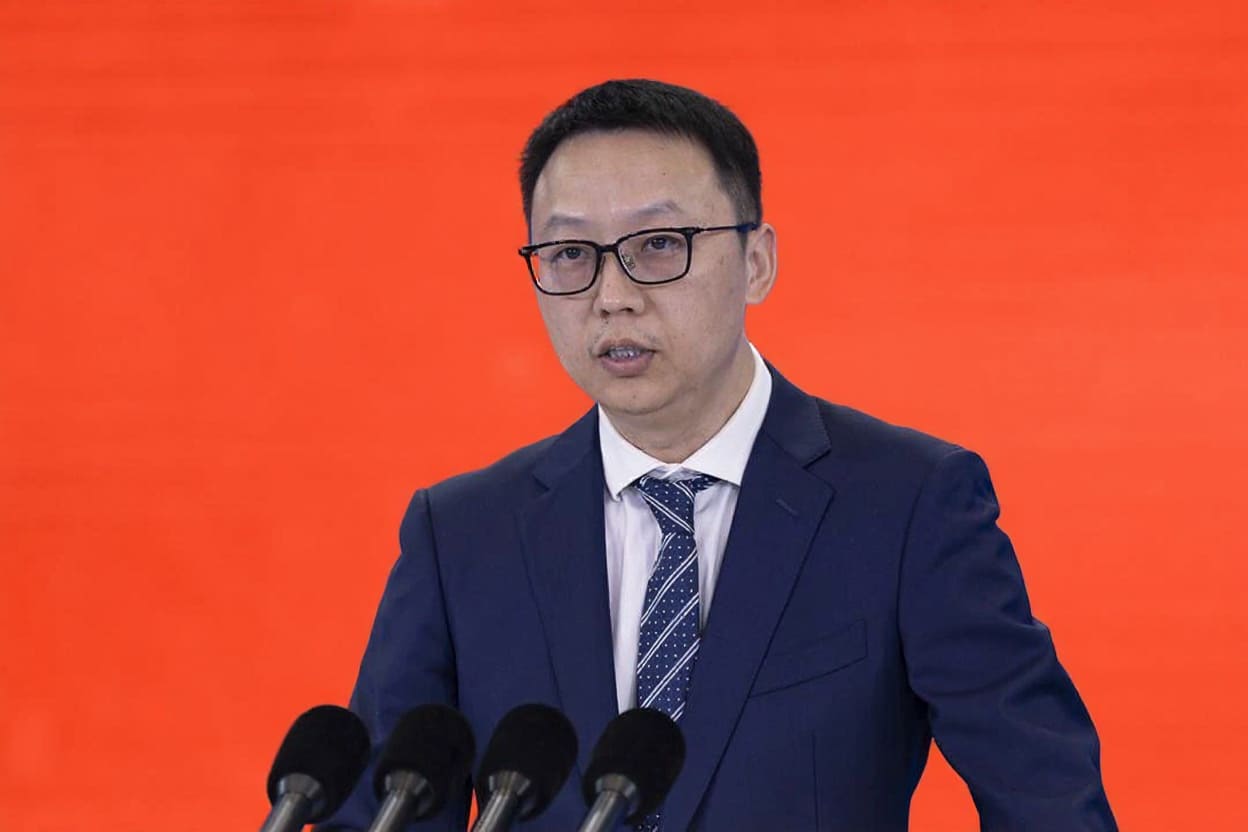
Alibaba Group has announced a major partnership with the U.S. company Nvidia focused on developing physical artificial intelligence capabilities. The collaboration covers areas such as data synthesis, model training, environment simulation, and validation testing. According to remarks made at the Apsara Conference by Alibaba CEO Eddie Wu, the partnership will help the company strengthen its position in AI alongside its traditional e-commerce business. Alibaba is integrating Nvidia's AI robotics tools into its cloud platform, enabling users to create 3D replicas of the real world, generate synthetic data, and train models for robotics or autonomous vehicles.
This collaboration is more focused on software than hardware because Chinese regulations restrict direct purchases of Nvidia chips by large companies. The partnership comes just days after Nvidia announced an agreement with OpenAI to invest up to $100 billion in data center chips. Alibaba's shares on the Hong Kong Stock Exchange rose 9.7% to a four-year high following the announcement, while its U.S.-listed shares climbed nearly 10% before the market opened.
At the conference, Eddie Wu emphasized that the pace of AI development has exceeded all expectations and that demand for AI infrastructure is enormous. The company is therefore increasing its spending, although it did not disclose specific amounts. Earlier this year, Alibaba announced plans to invest 380 billion yuan ($53 billion) in AI infrastructure over the next three years.
Global Data Center Expansion
Opening new data centers around the world is part of the strategy. Alibaba plans to launch its first centers in Brazil, France, and the Netherlands, with additional centers in Mexico, Japan, South Korea, Malaysia, and Dubai over the next year. This will expand its current network of 91 data centers across 29 regions. The expansion is intended to reduce latency for AI services in global logistics, supply chain management, and enterprise applications.
Omdia analyst Lian Jye Su noted that these investments in overseas data centers will help Alibaba expand its influence among international AI developers and enterprise users. The company is seeking to compete with domestic rivals such as DeepSeek and Tencent while strengthening its role in cloud computing. In the most recent quarter, cloud revenue grew by 26% thanks to the monetization of AI services.
This expansion is part of a three-year, $53 billion program that exceeds all of Alibaba's previous spending on AI and cloud computing over the past decade. According to a shareholder letter from Chairman Joe Tsai and Eddie Wu, the company is shifting toward a user-focused, AI-driven approach that improves efficiency in e-commerce and consumer applications.
Qwen3-Max
The company also introduced the Qwen3-Max model with more than one trillion parameters, which excels at code generation and autonomous agents. According to Zhou Jingren, Chief Technology Officer at Alibaba Cloud, the model outperformed competitors such as Anthropic's Claude and DeepSeek-V3.1 in benchmarks such as Tau2-Bench.
Source: reuters.com