

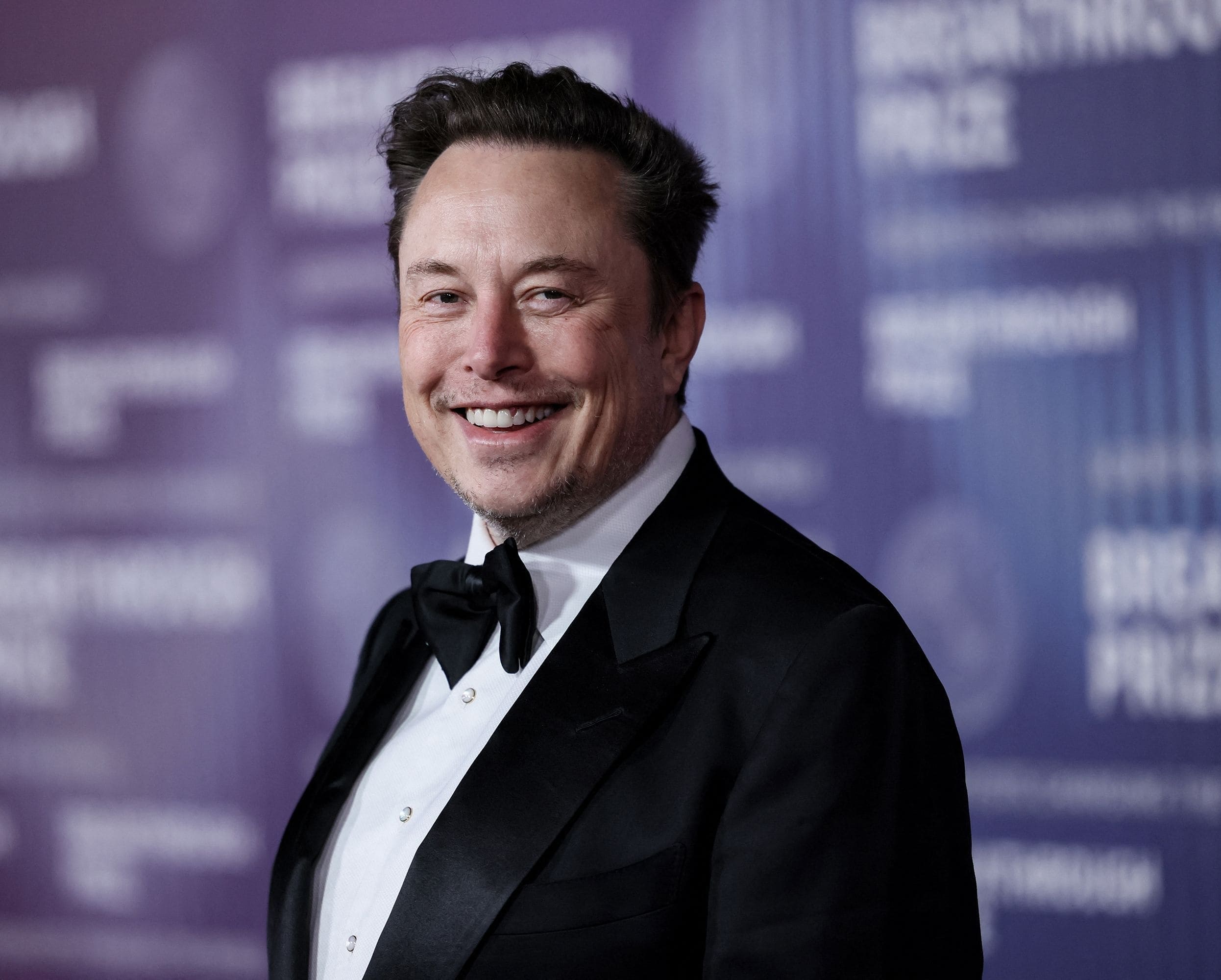
People around the world are now very interested in how artificial intelligence (AI) will affect their everyday lives. Two major business figures, Jamie Dimon of JPMorgan and Elon Musk of Tesla, recently spoke about how AI and robots could change the meaning of work. Their words offer a mixture of optimism and caution, because while they promise better lives with fewer obligations, they also warn of risks such as job losses. Let’s take a closer look.
Jamie Dimon: AI will bring wonderful lives, but not without pain
Jamie Dimon, CEO of JPMorgan, spoke quite optimistically about AI’s long-term impact on society in an interview on the Fox News program "Sunday Morning Futures." He compared it to major technological changes of the past that increased productivity and improved living standards. According to him, one day we might work less hard while still having wonderful lives. Specifically, he said: "Maybe one day we’ll work less hard but have wonderful lives."
But Dimon is not naive. He warned that the path to this future will not be easy. According to him, AI will not dramatically reduce the number of jobs over the next year, but it will eventually eliminate them. "That doesn’t mean people won’t have other jobs," he added. He recommended that people focus on skills such as critical thinking, communication, and emotional intelligence, which AI cannot replace so easily.
He sees the greatest risk in AI spreading too quickly. "If it happens too fast for society, which is possible, we can’t retrain all those people that quickly," he explained. He suggested that governments, businesses, and society should work together to consider how to introduce it gradually so that it does not harm large numbers of people. At the America Business Forum in Miami in November, he said that in 20, 30, or 40 years, people in the developed world might work only three and a half days a week. "You’ll have agents doing research for you every time you wake up in the morning," he explained.
At a conference hosted by Fortune last month, Dimon warned that job elimination is inevitable. "People should stop sticking their heads in the sand," he said bluntly. Other leaders of major banks are saying similar things. David Solomon of Goldman Sachs said on CNBC’s "Squawk Box" in October that AI will change job functions, but the economy is flexible, and he sees many opportunities for their business. Charles Scharf of Wells Fargo told Reuters that the opportunities in AI are very significant, but anyone who claims it will not reduce headcount either does not know what they are talking about or is not being honest.
And what does Elon Musk say?
Elon Musk, CEO of Tesla, went even further at the U.S.-Saudi Investment Forum in Washington, D.C., in late November. According to him, work will be optional in 10 to 20 years, something like playing sports or video games. He compared it to growing vegetables: "You can go to the store and buy vegetables, or you can grow them in your garden. It’s much harder to grow them in your garden, but some people do it anyway because they enjoy it."
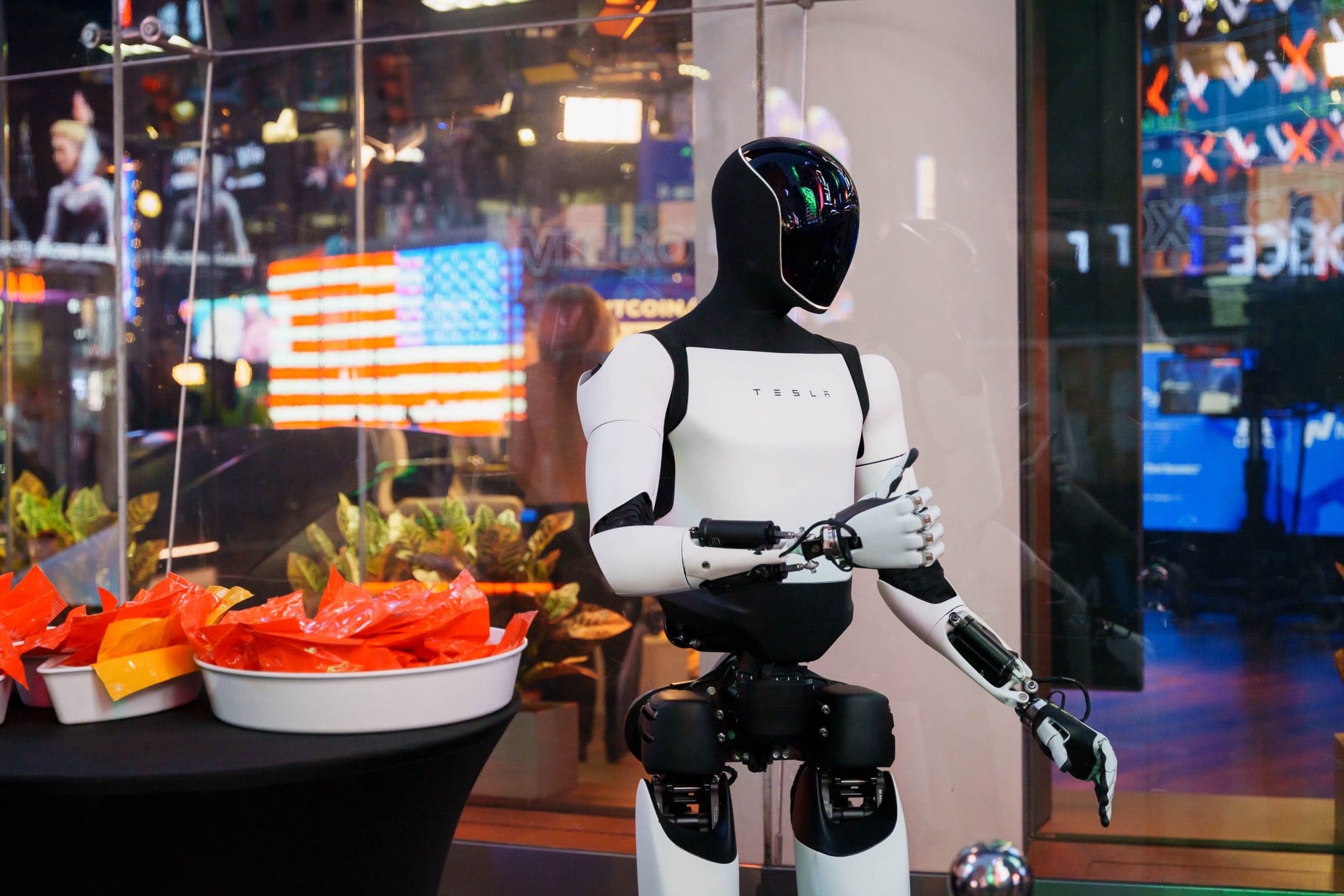
According to Musk, this world will bring millions of robots into the workforce, raising productivity to a new level. Musk is pushing Tesla beyond electric cars—he wants 80% of the company’s value to come from Optimus robots, even though their production is facing delays. He draws inspiration from the science-fiction Culture series by author Iain M. Banks, in which money does not exist and the world is post-scarcity, filled with superintelligent AIs and no traditional jobs. "My prediction is that if improvements in AI and robotics continue, which seems likely, money will cease to be relevant," he said.
At the Viva Technology 2024 conference, he proposed universal high income as a way to sustain a world where work is not necessary. "There will be no shortage of goods or services," he added. This resembles the ideas of OpenAI’s Sam Altman, who advocates for universal basic income, meaning regular unconditional payments from the government.
Musk, whose wealth is estimated at roughly $470 billion (approximately CZK 10.810 trillion), envisions a future in which people give meaning to AI. "The question will really be one of meaning: If computers and robots can do everything better than you, does your life have meaning? I think there may still be a role for humans in this—that we give AI meaning," he said at Viva Technology last year.
Experts’ doubts
Economists warn that Musk’s timeline is overly optimistic. According to them, robots are still expensive and difficult to scale, while AI is developing faster, but its adoption in the workplace has not been as rapid as expected. A study by Konrad Kording of the Brookings Institution states that physical machines are specialized and costly, slowing their deployment.
Samuel Solomon of Temple University emphasizes that, in addition to technology, political will is needed for measures such as universal income to ensure that the wealth generated by AI is shared. Anton Korinek of the University of Virginia discusses how the declining value of human labor will force society to reconsider its structure. People currently derive meaning from relationships, often through work, so new generations will have to find other paths.
An October report from the Yale Budget Lab states that there has been no visible disruption to the labor market due to AI since ChatGPT was released in November 2022. Despite concerns about the loss of entry-level positions for young people, such as Gen Z, changes are happening slowly.
These business and economic figures are talking about major changes that could create a world where work is not a necessity but a choice. While Dimon emphasizes the need to prepare for losses, Musk paints a picture in which robots and AI provide abundance for everyone. It is an issue that affects everyone, from executives to ordinary workers, and it is worth thinking about.
Sources: businessinsider.com and fortune.com


