

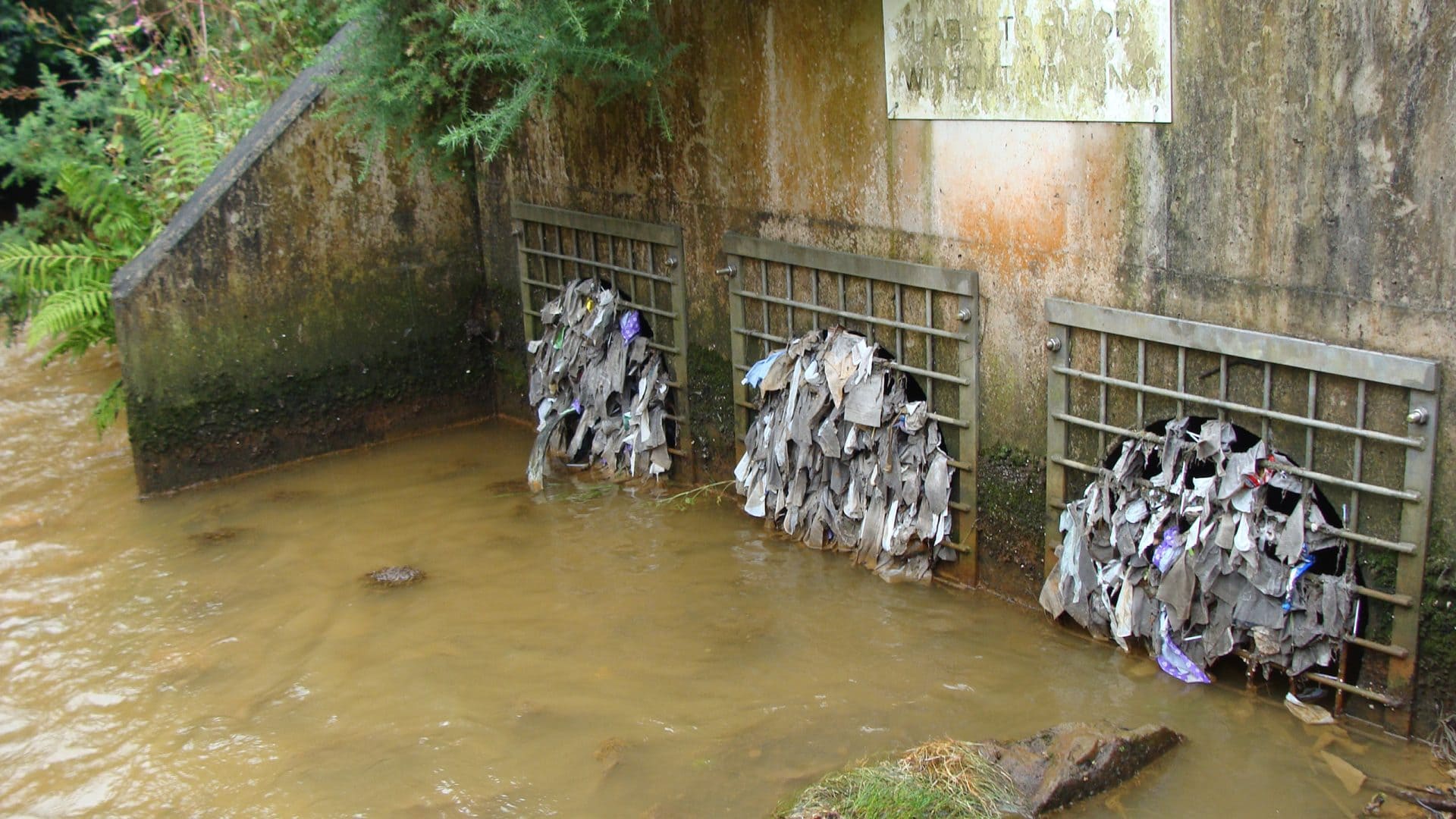
South West Water, a water company operating in Devon, England, has launched a pilot project using artificial intelligence (AI) to prevent blockages in the sewer network. This approach has helped prevent an estimated two hundred pollution incidents. The system analyzes data from twelve thousand sensors deployed across the network that monitor changes in water levels. If the levels rise or fall in an unusual way, the AI flags a potential blockage that could lead to a sewer overflow.
Helen Dobby, the company's head of environmental performance, described the system as an additional twelve thousand pairs of eyes monitoring the network. According to her, the project contributes to the company's overall plan to improve its environmental performance after it received a "requires improvement" rating from the regulator. South West Water is thus responding to previous problems, including a £24 million fine (approximately CZK 720 million) imposed following a three-year investigation by the regulator Ofwat into unlawful discharges from wastewater treatment plants.
Development and practical application of AI
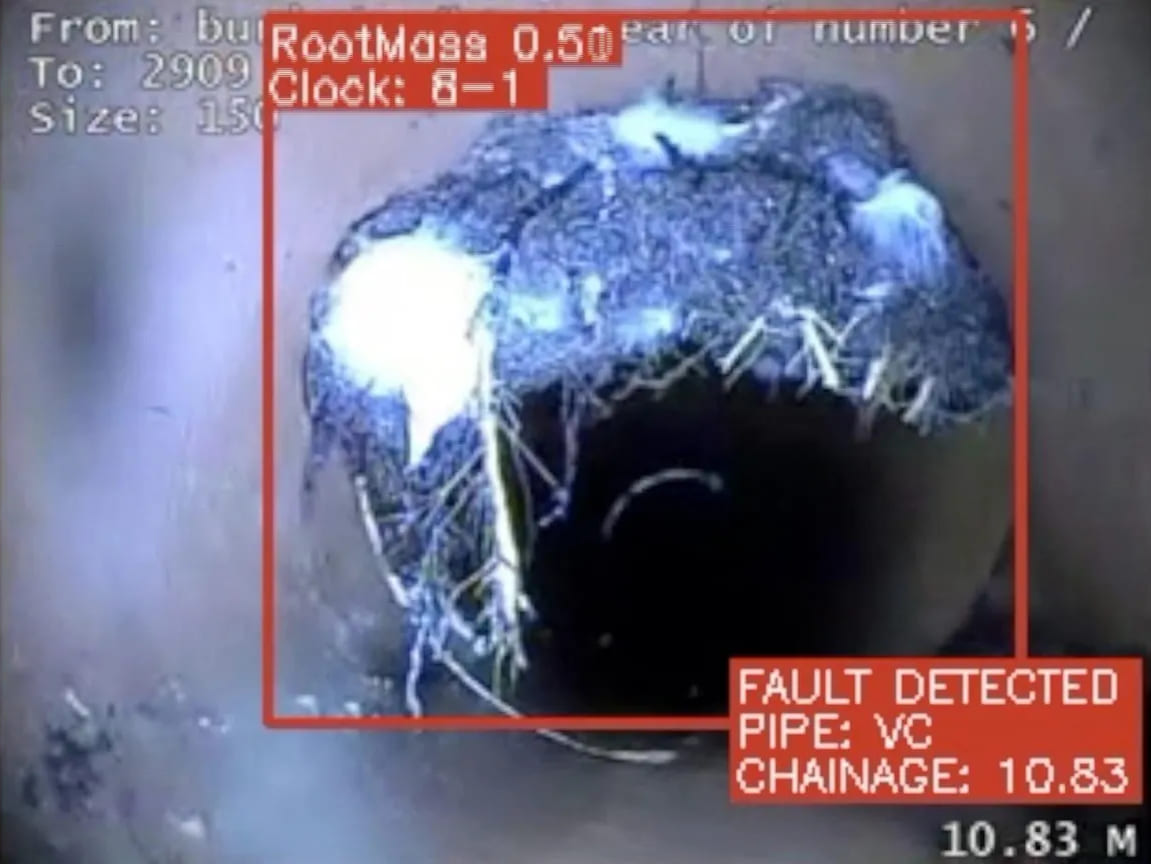
The project was developed over two years and also includes the analysis of hours of CCTV footage from sewer pipes. AI processes this footage faster than humans and searches it for defects or blockages. Joshua Myrans, a data scientist at the company who began developing the idea during his doctoral studies, explained that the AI learns from images labeled by people. This frees up workers to inspect larger sections of the network and detect problems before they develop.
Richard Everson, a professor of machine learning at the University of Exeter who is collaborating on the project, emphasized that such monitoring enables a better understanding and management of the environment. According to him, people have previously performed tedious tasks such as reviewing CCTV footage in cold vans, but machines excel at this. AI therefore replaces repetitive work and enables more effective interventions.
Causes of blockages
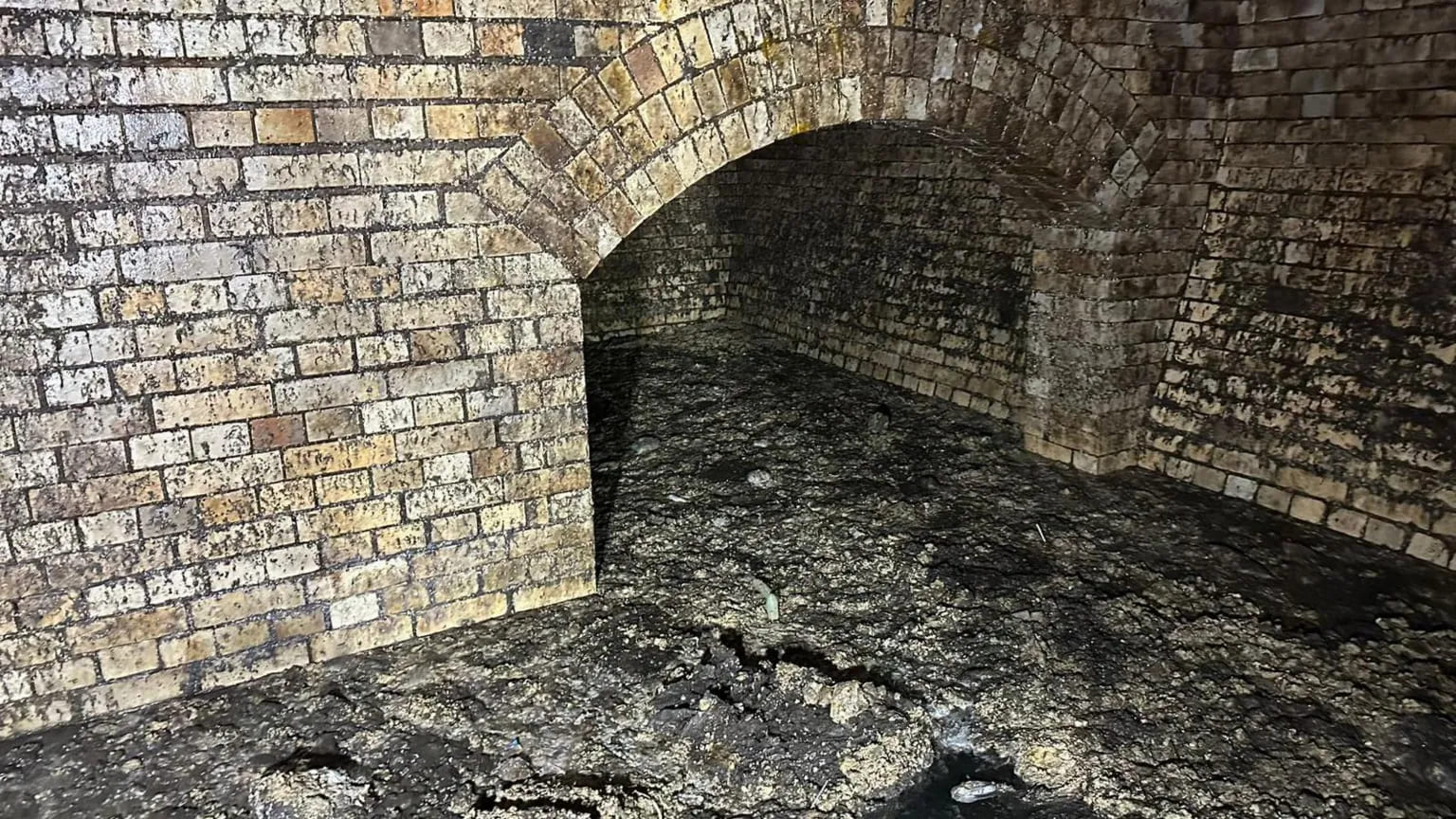
Peter Corps, a catchment operator at the company with twelve years of experience cleaning sewers, highlighted common causes of blockages such as fat, grease, and wet wipes. These materials accumulate in pipes and cause problems that often lead to overflows. Corps urges people to be more careful about what they flush down the toilet or pour down the sink, advising: "Bin it, don't flush it." According to him, pipe failures are sometimes to blame as well, but most incidents are caused by human error.
In one case, the AI identified roots growing into a pipe in CCTV footage, with the system marking the defect with a red box labeled "fault detected." Such early detection helps prevent more serious damage.
Improvement plan
This pilot project is part of the Pollution Incident Reduction Plan, which is intended to help the company achieve a better rating. South West Water currently has two out of a possible four stars for environmental performance, which Helen Dobby described as inadequate. The company is therefore increasing training for new wastewater employees and investing a record £760 million (approximately CZK 22.8 billion) in reducing storm overflow discharges. The AI initiative complements these efforts and enables faster responses to potential problems.
Thanks to this approach, South West Water has detected as many as two hundred blockages in the network, contributing to a cleaner environment in the regions where the company operates.
Source: bbc.com


