

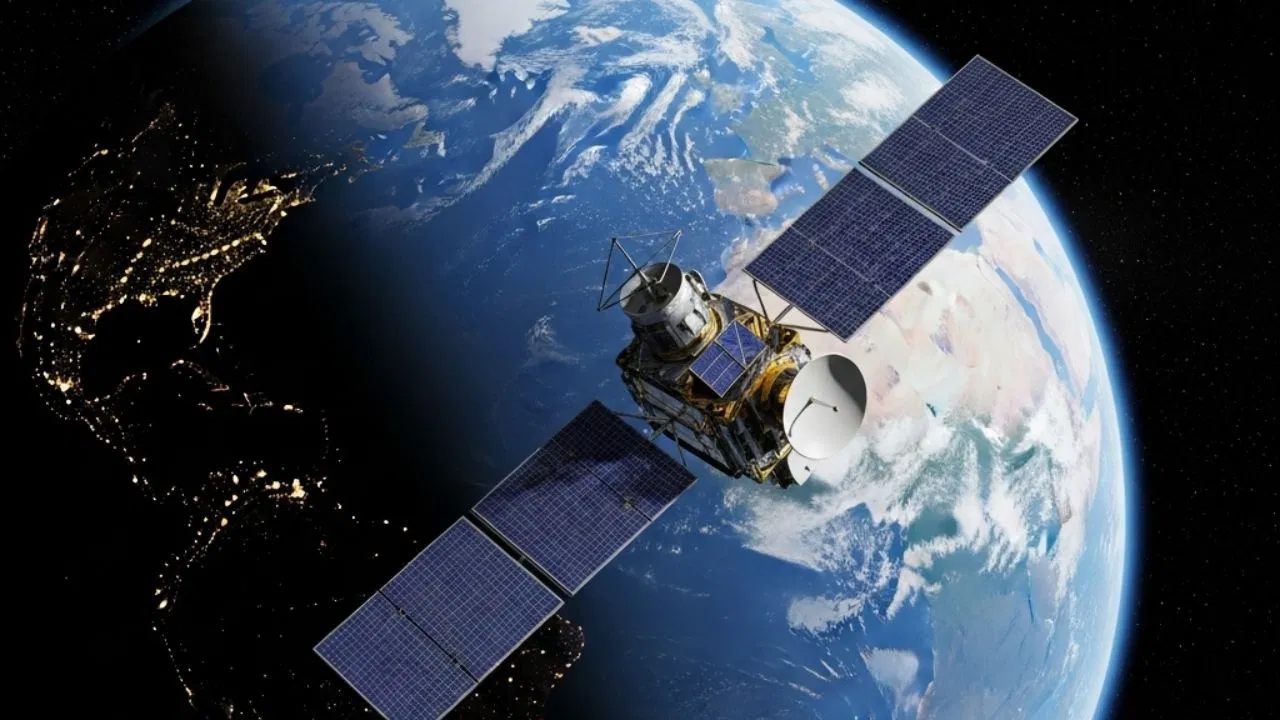
What happens when expensive computing equipment worth millions of dollars ends up hundreds of kilometers above Earth, exposed to cosmic radiation and extreme temperature fluctuations? And who pays for it all if something goes wrong? These are exactly the questions space companies are now addressing together with insurers. Companies dreaming of data centers in orbit have begun discussing coverage with insurers. It is the first tangible sign that a bold idea is slowly becoming a reality. Heavyweights such as Elon Musk's SpaceX and Jeff Bezos's Blue Origin are behind the concept.
Why take computers into orbit in the first place? Satellite data centers are intended to overcome the greatest constraint on computing technology on Earth: the shortage of energy. The topic gained attention after Musk described these facilities as the future of artificial intelligence development. He spoke about it shortly before SpaceX's record-breaking stock market debut. And insurance plays a much more important role in the overall plan than it might seem at first glance. Without coverage for expensive equipment and related risks, companies will find it difficult to secure the debt financing they need to turn their plans into reality.
Blue Origin is far from alone. A number of startups have also announced their interest in data centers in space, including Orbital, Starcloud, Lonestar Data Holdings and Cowboy Space.
Reuters spoke with four brokers and underwriters and three space companies. All confirmed that discussions about insuring orbital data centers are already under way, although they are still at a very early stage. Brokerage firm Marsh said it had been approached by several companies seeking to understand what such future coverage would entail. However, it did not disclose their names. "We are already seeing data center and digital infrastructure companies approaching us and seeking support from insurers," said Patton Kline, who leads Marsh's U.S. aviation and space practice. Lonestar also recently held a briefing for the Lloyd's of London insurance market at Marsh's offices. Around twenty-five insurers attended.
Entirely new territory for insurers
Insuring space-related risks is nothing unusual in itself. Insurers now routinely cover launch failures, satellite malfunctions, collisions with space debris and so-called space weather. The entire space insurance market collects roughly half a billion dollars in premiums annually, according to industry professionals. But satellites are one thing, and artificial intelligence in orbit is something else entirely. While insurers have decades of extensive experience with satellites, they know practically nothing about data centers in space.
"The market is not currently trying to determine how to price it, but whether the risk can even be modeled," explained Kasey Roh, who heads U.S. operations at Upstage AI. The company develops artificial intelligence tools specifically for insurers. Part of the problem lies in how to value AI chips. They are developing at a dizzying pace and may not cope well with the harsh conditions in space, warned Orbital CEO Euwyn Poon.
David Wade, a space underwriter at Atrium, believes it will take time for a genuine insurance market to emerge. In his view, venture-backed startups must first grow substantially. "Until we move beyond this early funding round and see some of these companies grow and begin borrowing, their insurance needs will remain very limited," Wade added.
Sources: reuters.com, aol.com and insurancejournal.com


