

How AI Helps Protect Rare Birds in New Zealand
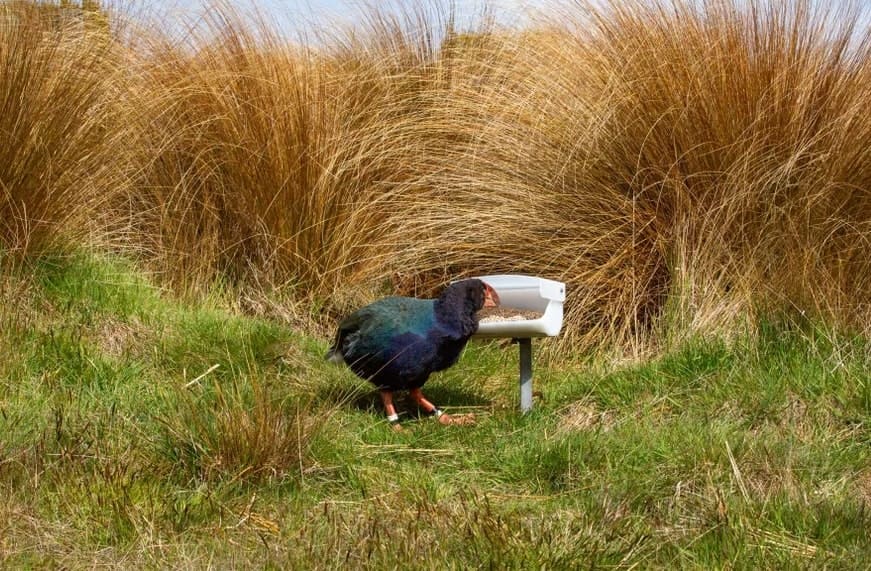
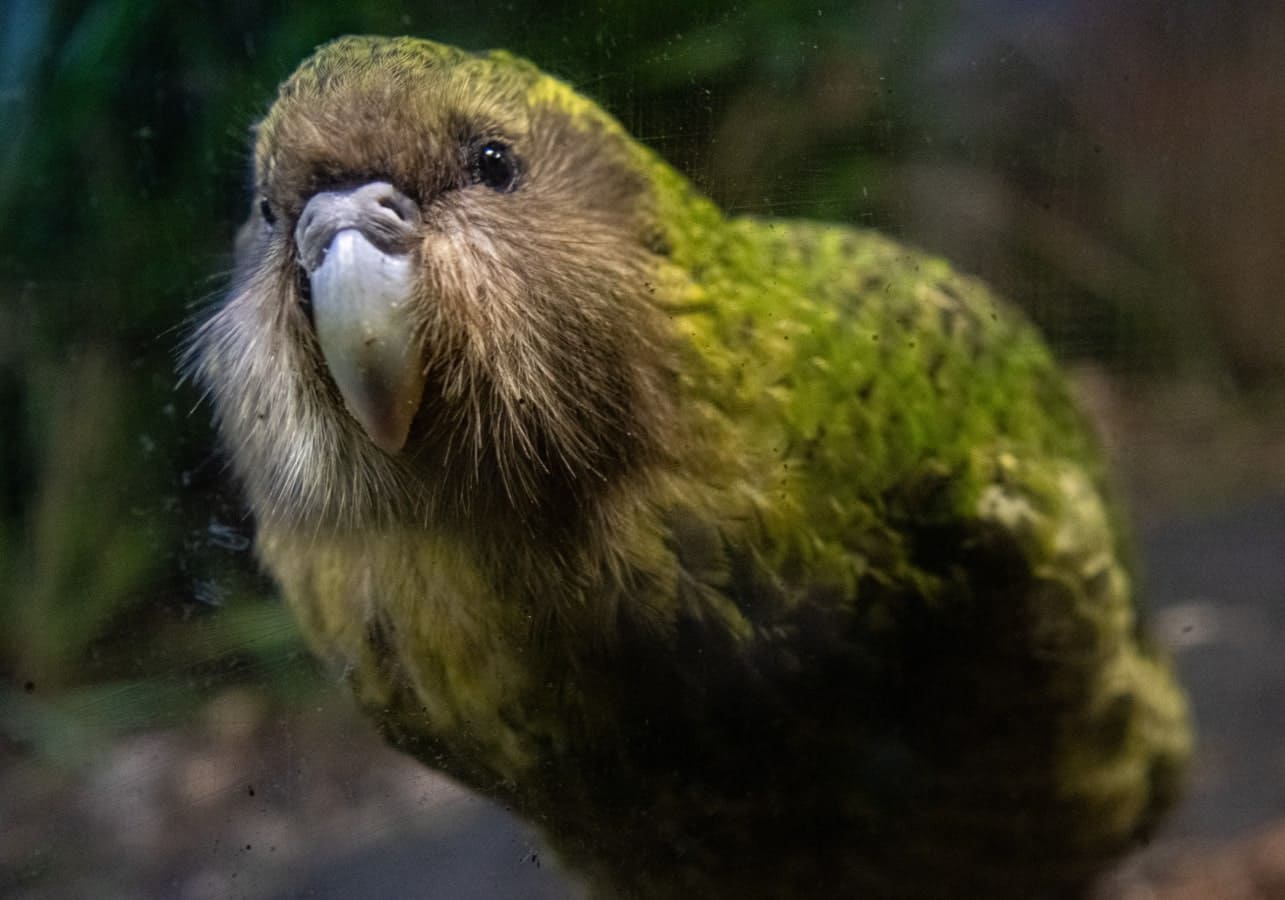
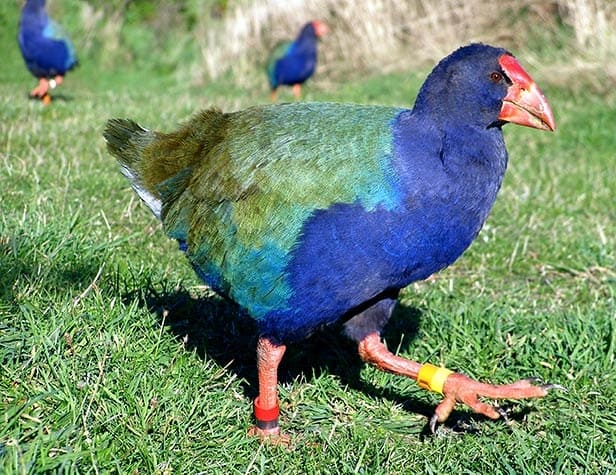
New Zealand has embarked on an enormous task: by 2050, it wants to completely eradicate invasive predators that threaten native birds. These include species such as the kākāpō, a heavy flightless parrot, and the takahē, a large bird with a red beak and blue plumage. These birds are threatened by animals introduced by humans, such as rats, weasels, ferrets, and stoats. The country plans to eliminate millions of these predators, making it the largest project of its kind in the world. To achieve this, it needs new technologies, including artificial intelligence, which is being used in automated traps and genetic research. The total cost of predator eradication is estimated at more than $100 million per year.
AI in Automated Traps
Smart traps that use artificial intelligence play a key role in the fight against predators. For example, the Halo Project, where Jonah Kitto-Verhoef works as a manager, uses camera-equipped traps that identify animals. These traps reset themselves after being triggered and dispense bait, such as mayonnaise, which attracts animals such as possums. Artificial intelligence analyzes the camera image and triggers the trap only when it detects a target species, such as a possum or stoat. This saves time and money because people do not have to constantly check the traps. Kitto-Verhoef explains that such devices help track catches more efficiently and improve the overall strategy. Similar traps are also being developed by NZ Auto Traps, whose AI-powered AT520 model distinguishes between species and monitors them remotely.
Another example comes from the Cacophony Project, where artificial intelligence processes images from infrared cameras in forests. It automatically identifies and counts predators such as possums and stoats, enabling a rapid response. This technology reduces the need for manual patrols and helps protect birds across large areas. Combined with heat-detecting drones, the traps become even more accurate.
Tracking Endangered Birds
For specific species such as the kākāpō, the Department of Conservation has created a database of digital twins. Each bird has a transmitter, and artificial intelligence analyzes its unique call and location. This helps track the health, movement, and needs of individual birds, making targeted conservation easier. For example, this has helped increase the kākāpō population in programs on predator-free islands. Apps such as Cacophonometer allow the community to record birds, with artificial intelligence analyzing the data and supporting nationwide involvement in conservation.
AI-Assisted Genetic Research
In addition to traps, New Zealand is focusing on genetics. At the University of Otago, where Tim Hore works, researchers have sequenced the possum genome. This paves the way for toxins that affect only specific species and for genetic modifications such as gene drives. These could ensure that only males are born, which would gradually reduce predator populations. Artificial intelligence helps map genes and predict their effects. Brent Beaven of the Department of Conservation emphasizes that these tools reduce costs and increase success rates. However, there is debate about risks such as modified animals escaping to Australia, where possums are protected.
Challenges and Successes in Conservation
In ecosanctuaries such as Orokonui Ecosanctuary, where Madison Kelly works, takahē and kākāpō live behind tall fences that keep predators out. These areas are full of birds, such as the tūī with its distinctive call. Kelly, who is of Māori descent, also sees cultural significance in this work because it protects treasures known as taoka. Nevertheless, predators occasionally get inside even here, such as after a snowstorm when stoats wiped out birds. Artificial intelligence helps monitor fences and enables rapid intervention.
In initiatives such as the Takahē Recovery Program, where Glen Greaves checks takahē eggs, the population is increasing thanks to breeding efforts. From the originally small group discovered in 1948, the population has now grown to more than 500 birds. Predators such as stoats are the greatest threat because they attack nests. Artificial intelligence in traps and sensors, such as the PAWS Pest Identification Sensor Pad, which analyzes tracks, helps detect incursions quickly.
Overall, these technologies enable New Zealand to protect birds more effectively. Projects such as Predator Free 2050 integrate artificial intelligence with traditional knowledge, which could inspire efforts to protect endangered species elsewhere in the world. People such as Greaves and Kitto-Verhoef see this as essential because without intervention, native birds would disappear.
Source: www.npr.org


