

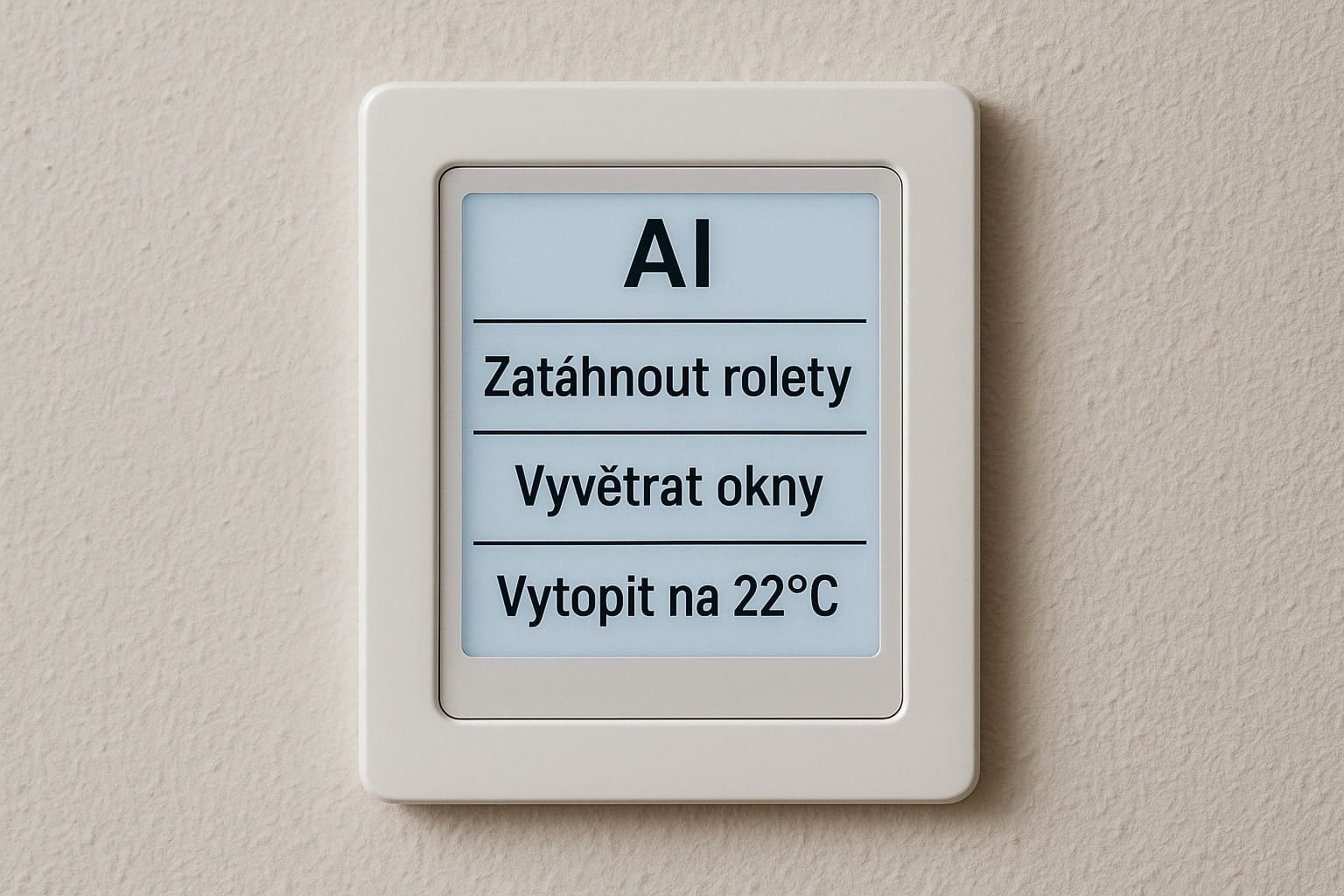
Research from the University of Tehran, Charles Darwin University, and Australian Catholic University focused on applications of explainable artificial intelligence (XAI) and interpretable artificial intelligence in smart buildings. This systematic review, published in the Journal of Building Engineering, analyzed 32 research papers focusing on energy efficiency and management. Buildings account for more than two-thirds of global carbon dioxide emissions and energy consumption, making energy management a challenging task due to control errors and high costs. The authors, Mohammadreza Haghighat, Ehsan Mohammadi Savadkoohi, and Niusha Shafiabady, emphasized that XAI addresses the opacity of artificial intelligence models, increasing user trust and facilitating the adoption of these technologies. The review used the PRISMA methodology to select and categorize studies covering predictive modeling, energy monitoring, fault detection, and optimization strategies. For example, XAI helps predict energy consumption with high accuracy, enabling better decision-making by building operators and policymakers.
Energy Savings and Occupant Health
The study emphasizes that most buildings still use static heating, ventilation, and air conditioning (HVAC) systems, which affect the sustainability of structures and occupant health. Overheated or poorly ventilated spaces reduce comfort and increase the risk of airborne disease transmission. According to Niusha Shafiabady, a co-author of the study, XAI supports adaptive thermal management systems that respond in real time to occupancy, the external climate, and internal heat. These systems use machine learning models to predict and adjust thermal conditions, balancing comfort, energy efficiency, and health outcomes. The research proposes a framework that allows building designers and managers to simulate thermal scenarios and assess their impact on the risk of airborne disease transmission. This framework is modular, scalable, and adaptable to various types of buildings, from classrooms to hospital wards, and provides a quantitative basis for decision-making that prioritizes interventions improving both thermal comfort and infection control.
Infrastructure Safety and Resilience Through AI
Artificial intelligence plays a key role in real-time risk detection on construction sites, where video-based and computer vision systems identify unsafe behavior, such as the absence of protective equipment or unauthorized entry into restricted areas. These systems learn from site-specific data, reducing false alarms and focusing on genuine threats. Predictive safety analyzes historical and live data to forecast risks such as equipment failure or accident-prone areas, enabling preventive measures and the development of targeted safety protocols. AI also monitors compliance with safety regulations and automatically flags violations, minimizing incidents. In the field of resilience, AI optimizes evacuation routes during emergencies and performs real-time risk assessments to limit damage from natural disasters. Predictive maintenance forecasts infrastructure deterioration, such as moisture-induced asphalt failure, extending the service life of assets.
Innovations in Materials and Sustainability
Researchers use AI to test and optimize construction materials, including recycled and sustainable alternatives, increasing durability and reducing environmental impact. For example, AI algorithms design asphalt mixtures that better withstand moisture, a major cause of pavement failure. AI supports the use of recycled materials, industrial by-products, and renewable resources, reducing costs and the environmental burden throughout a structure’s life cycle. IoT sensors and AI enable real-time monitoring of energy consumption on construction sites, supporting sustainable practices and reducing the carbon footprint. Generative AI and large language models are being integrated into building information modeling (BIM) systems, streamlining design processes, improving project quality, and minimizing rework. AI-based chatbots help non-technical users navigate complex documentation, facilitating access to important project information.
The Future of AI in Smart Buildings
The study proposes future research that integrates this framework with real-time sensor data and AI algorithms to influence regulatory standards for buildings. This approach connects engineering and epidemiology, offering practical guidance for architects, managers, and policymakers seeking to protect buildings from health threats. By the end of 2025, AI is expected to shift from passive data analysis to active systems that prompt human operators to act on insights, further increasing safety and efficiency. Government plans, such as the U.S. "America’s AI Action Plan," emphasize building AI infrastructure for safe and trustworthy development, reflecting a national commitment to infrastructure innovation. Major construction companies and technology providers are rapidly adopting AI for safety, sustainability, and resilience, with continued growth in digitalization and automation in the sector forecast.


