

Artificial intelligence is becoming a key assistant in NASA's space missions. Recently, two fascinating cases have emerged in which this technology is solving complex problems—from rapidly navigating robots aboard the International Space Station (ISS) to uncovering hidden security flaws in spacecraft communications software.
Astrobee Robot and the First Test of AI Navigation in Orbit
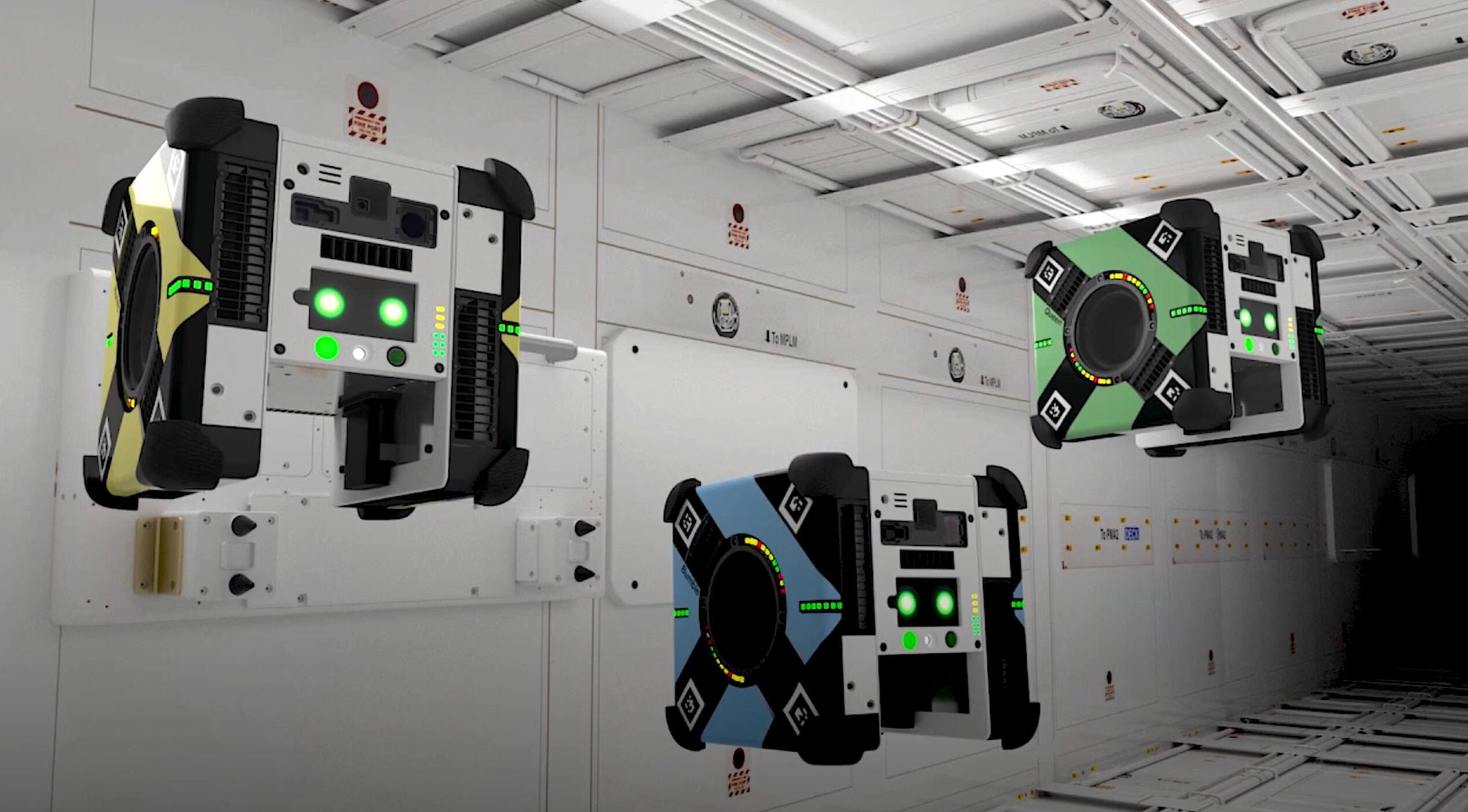
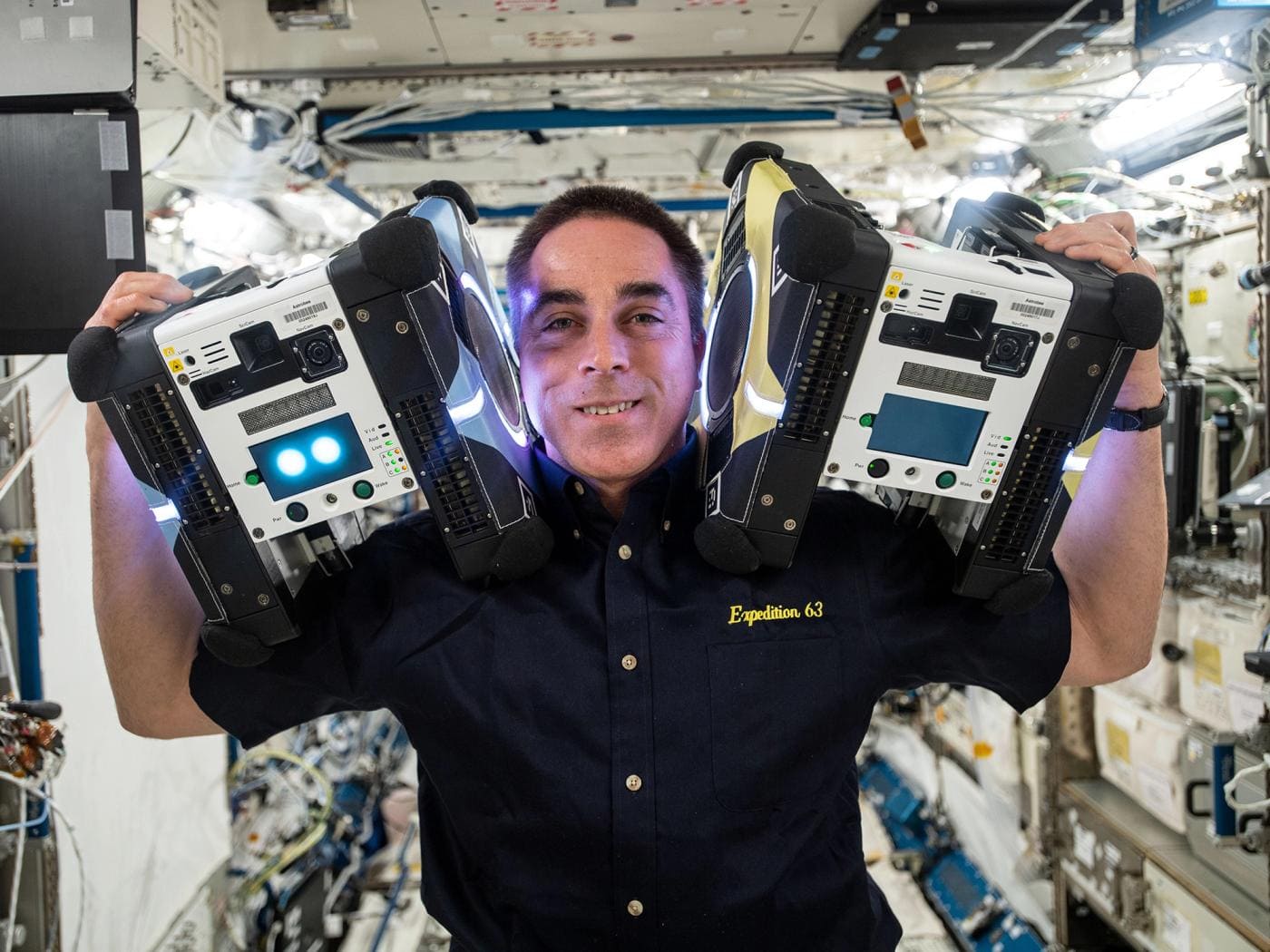
A groundbreaking experiment took place aboard the International Space Station, where a toaster-sized robot used artificial intelligence for autonomous navigation for the first time. The robot is called Astrobee, and it is a free-flying, cube-shaped device that has been helping astronauts aboard the ISS for some time. Researchers from Stanford University, led by principal investigator Somrita Banerjee and senior author Marco Pavone, developed a machine learning-based system that enables the robot to move safely through the station's narrow corridors and crowded spaces without requiring direct human control.
The environment aboard the ISS is full of challenges—storage racks, computers, cables, and experimental equipment. Traditional motion-planning methods that work on Earth fail here because of the limited power of onboard computers, greater uncertainty in microgravity, and strict safety requirements. The team therefore created an optimization system based on sequential convex programming that plans safe routes. To speed it up, they trained an artificial intelligence model on thousands of previous solutions. This model provides a "warm start"—an intelligent initial estimate of the route, which is then refined through optimization.
Before testing the system aboard the ISS, they tried it at NASA's Ames Research Center on a floating robotic platform that simulates microgravity. At the station, the astronauts only set up the device and put it away afterward, while commands came from NASA's Johnson Space Center. They tested 18 different trajectories, each twice—once with a conventional "cold start" and once with the AI version. The results were remarkable: the AI version was 50 to 60% faster, especially in confined spaces and during complex rotational maneuvers.
NASA classified the system at technology readiness level 5, meaning that it works in a relevant operational environment. Somrita Banerjee emphasized that this kind of autonomy will be essential for future missions in which robots operate far from Earth without constant supervision. Marco Pavone's team plans to continue improving the technology using more advanced AI models similar to those used in self-driving cars.
AI Detected and Fixed a Security Flaw in NASA Spacecraft
The second case concerns security—artificial intelligence developed by the startup AISLE discovered a serious flaw in NASA's CryptoLib software, which secures communications between spacecraft and ground control. The flaw remained undetected for three years despite undergoing several human code reviews. The AI tool found it and helped fix it in just four days.
CryptoLib is a library used to encrypt connections between spacecraft and Earth, including Mars rover missions. The flaw, designated CVE-2025-46675, was in the authentication system: under certain conditions, the key state was not properly checked before use. This could allow an attacker with stolen or valid operator credentials to inject arbitrary commands with full system privileges. In practice, this could lead to the spacecraft being taken over or data being stolen, threatening infrastructure worth billions of dollars.
An attacker would need some degree of local access, for example through phishing or an infected USB drive, so this was not a simple remote vulnerability. Nevertheless, it posed a major risk. AISLE's AI tool scanned the entire codebase, flagged suspicious behavior in the authentication process, and supported a rapid fix. This autonomous analyzer demonstrated how AI can systematically find subtle problems that humans overlook.
Both cases share a common theme: artificial intelligence is making NASA's space operations more efficient while increasing speed and security. These successes are opening the door to more advanced missions in which humans and AI work together to explore space.


