

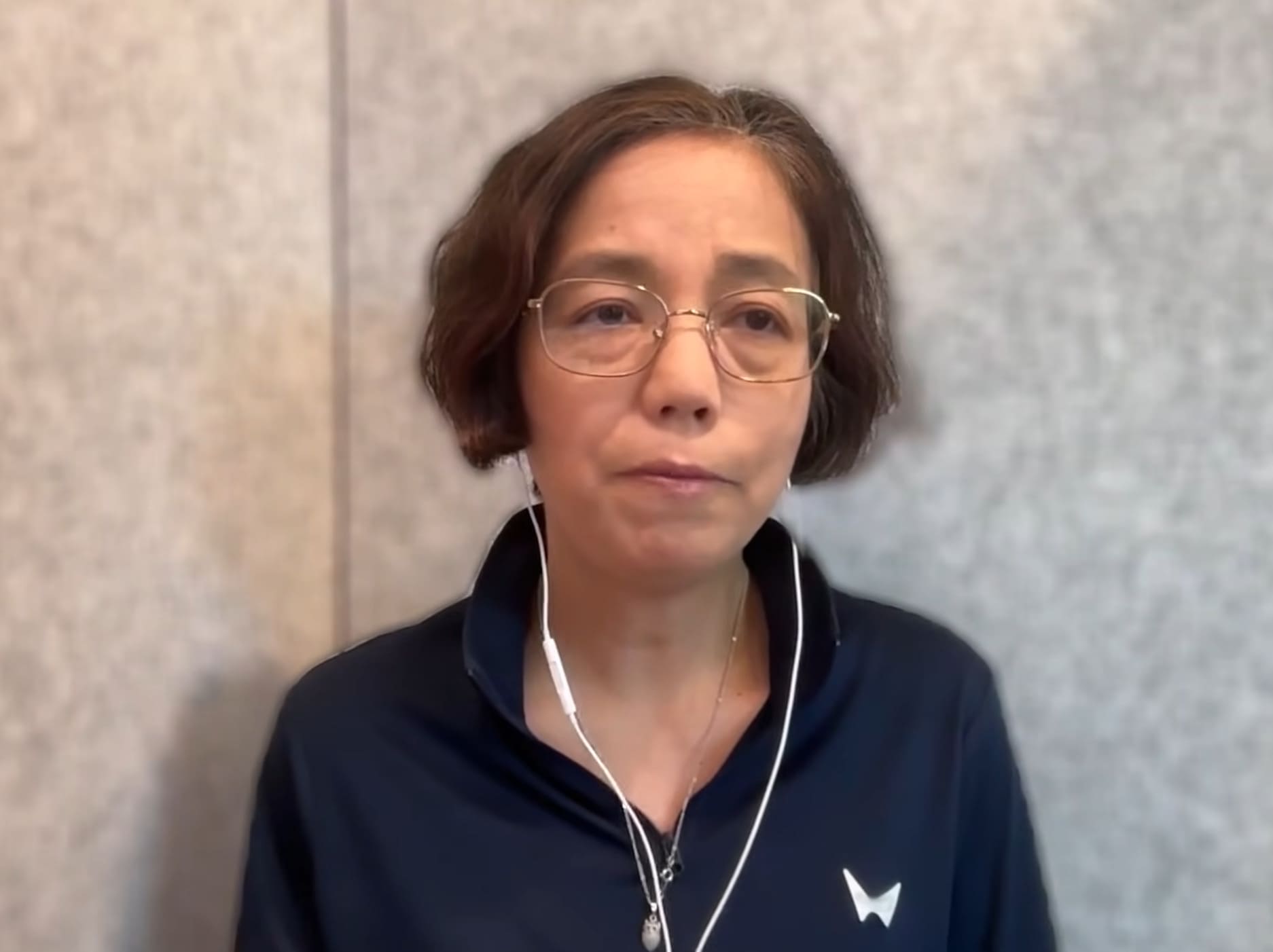
Fei-Fei Li, a professor of computer science at Stanford University and founder of the startup World Labs, is known as the "godmother of artificial intelligence." In a recent interview on The Tim Ferriss Show, she explained why she places less emphasis on degrees when hiring software engineers for her company. Instead, she focuses on what candidates have learned, what tools they use, and how quickly they can use them to enhance their abilities. Many of these tools are related to artificial intelligence. According to her, a person's attitude toward these technologies and self-development is important.
A Trend in Silicon Valley
In Silicon Valley, founders and companies such as World Labs now focus more on how quickly a person learns, adapts, and builds than on how many years they spent in school. Fei-Fei Li said that when interviewing engineers, she is interested in how candidates use artificial intelligence to become more effective. She even stated that in 2025, she would not hire any software engineer at World Labs who does not embrace working with artificial intelligence tools. It is not that she wants to replace people with machines, but rather that she is looking for those who can grow as quickly as the technology around them.
This approach is also emerging among other leaders. Alex Karp, the CEO of Palantir, for example, openly questions the value of a college education and offers four-year paid internships to young entrepreneurs who are not enrolled at a university. Instead, he encourages them to learn through practice and avoid debt and what he calls "indoctrination." Ryan Roslansky, the CEO of LinkedIn, argues that adaptability and knowledge of artificial intelligence now carry more weight than prestigious degrees.
What Fei-Fei Li Looks for When Hiring
Fei-Fei Li founded World Labs, which aims to create artificial intelligence capable of processing and replicating the three-dimensional world using spatial reasoning. This startup reached a valuation of more than CZK 23 billion after just four months of existence, thanks to self-funding. When searching for talent for this project, Li emphasizes that workers' quality used to be judged by their school and degree, but with artificial intelligence readily available at their fingertips, that is changing.
Dan Rhoton, CEO of the nonprofit Hopeworks, which prepares young people from less privileged backgrounds for careers in technology, sees a similar shift. After 13 years of working with people aged 17 to 26 in Camden, New Jersey, and Philadelphia, he says employers now require a bachelor's degree less often. Instead, they want to see a "value proposition"—for example, solving a specific company problem using artificial intelligence. According to him, artificial intelligence is making skills based on years of study obsolete.
Real-World Examples
Mark Zuckerberg, who himself dropped out of Harvard, said in October that when hiring for his company Meta, he prioritizes skills over a prestigious degree, although entry-level positions still require a bachelor's degree. Fei-Fei Li agrees that artificial intelligence is changing the job market and education because it is accessible to so many people. At the Fortune Most Powerful Women Summit in 2024, she stated that artificial intelligence can change the world and that everyone who is interested should have a place in that change. According to her, it is important for people from different backgrounds to feel that they have a role to play.
This view of hiring mainly concerns software engineers, but it is affecting the entire sector. Technology employers are looking for people who know how to use artificial intelligence tools to improve themselves and are not afraid of rapid change. Silicon Valley is changing in such a way that traditional paths into employment, such as years of study, are no longer the only option.
Source: fortune.com


