

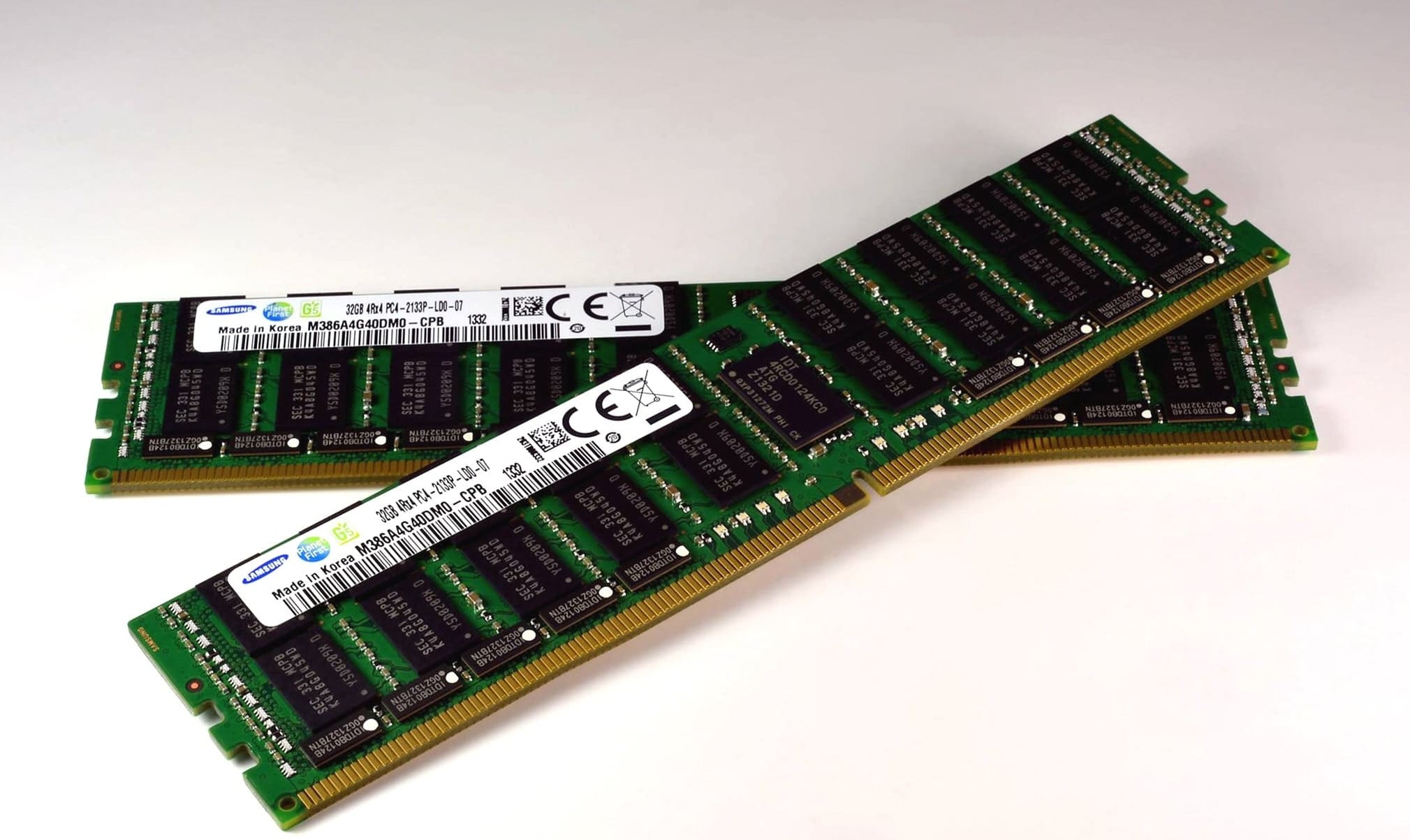
Artificial intelligence (AI) has become a driving force that is dramatically affecting the memory chip market. Major technology companies and cloud providers are investing heavily in AI infrastructure, leading to enormous demand for specialized chips such as HBM (high-bandwidth memory). However, this surge is not affecting only the most advanced components. Manufacturers such as SK Hynix and Samsung Electronics are shifting their production capacity to these profitable AI chips, reducing the availability of conventional DRAM and NAND memory. The result is shortages and rising prices even for these less trendy types used in smartphones, computers, and ordinary servers.
For example, SK Hynix has already sold its entire memory chip output for 2026, signaling extreme demand. The company reports a 62% increase in profit thanks to orders from hyperscalers, meaning large cloud providers. This pressure on production means that older types of memory are being pushed aside. Manufacturers are therefore raising the prices of these conventional chips by as much as 30% in the fourth quarter of 2025. Panic buying is emerging in the Chinese market, where the prices of some chips fluctuate almost daily. And major customers from the US and China are receiving only 70% of the volumes they ordered.
Capacity shortages
Production lines are overloaded because advanced AI chips require complex processes that take up capacity previously used for older technologies. Geopolitical tensions, raw material shortages, and the slow expansion of factories are making matters worse. Projects such as OpenAI's Stargate are generating record orders, putting the entire supply chain under strain. Analysts expect this shortage to last until at least 2026 because capacity expansion cannot keep pace with rapidly growing demand.
Investment in AI infrastructure reached an estimated USD 400 billion in 2025 (approximately CZK 9.2 trillion at an exchange rate of CZK 23 per USD). This means that companies such as Samsung and SK Hynix are prioritizing high-margin products, leading to shortages of conventional memory. Smartphone and computer manufacturers therefore have to raise the prices of their products to cover higher component costs.
Impact on the consumer market
Server DRAM prices rose by as much as 50% toward the end of 2025, affecting the entire IT sector. This supercycle in the memory industry means persistently higher demand and prices, affecting not only hardware but potentially the prices of cloud services as well. Manufacturers are trying to cope with this situation by limiting production of less profitable chips, but this is causing a chain reaction in the supply chain.
For consumers, this means more expensive devices such as laptops and mobile phones, which commonly use conventional DRAM and NAND memory. Analysts predict that the semiconductor market will grow at a double-digit rate for three consecutive years, primarily thanks to AI. However, this trend also brings risks, such as supply volatility and the need for greater resilience to disruptions, whether caused by climate conditions or workforce issues.
Source: reuters.com


