


AI Created a Feature Film: “Pirate Queen: Zheng Yi Sao"
In April 2025, a historic milestone in film production was presented to the world. The film “Pirate Queen: Zheng Yi Sao" went down in history as the very first feature film created entirely using artificial intelligence. The project was developed by the Malaysian studio Future Studios in cooperation with the Singaporean company FizzDragon, which together demonstrated how far AI capabilities have advanced in the creative industry.
Revolutionary Technology Behind the Film’s Creation
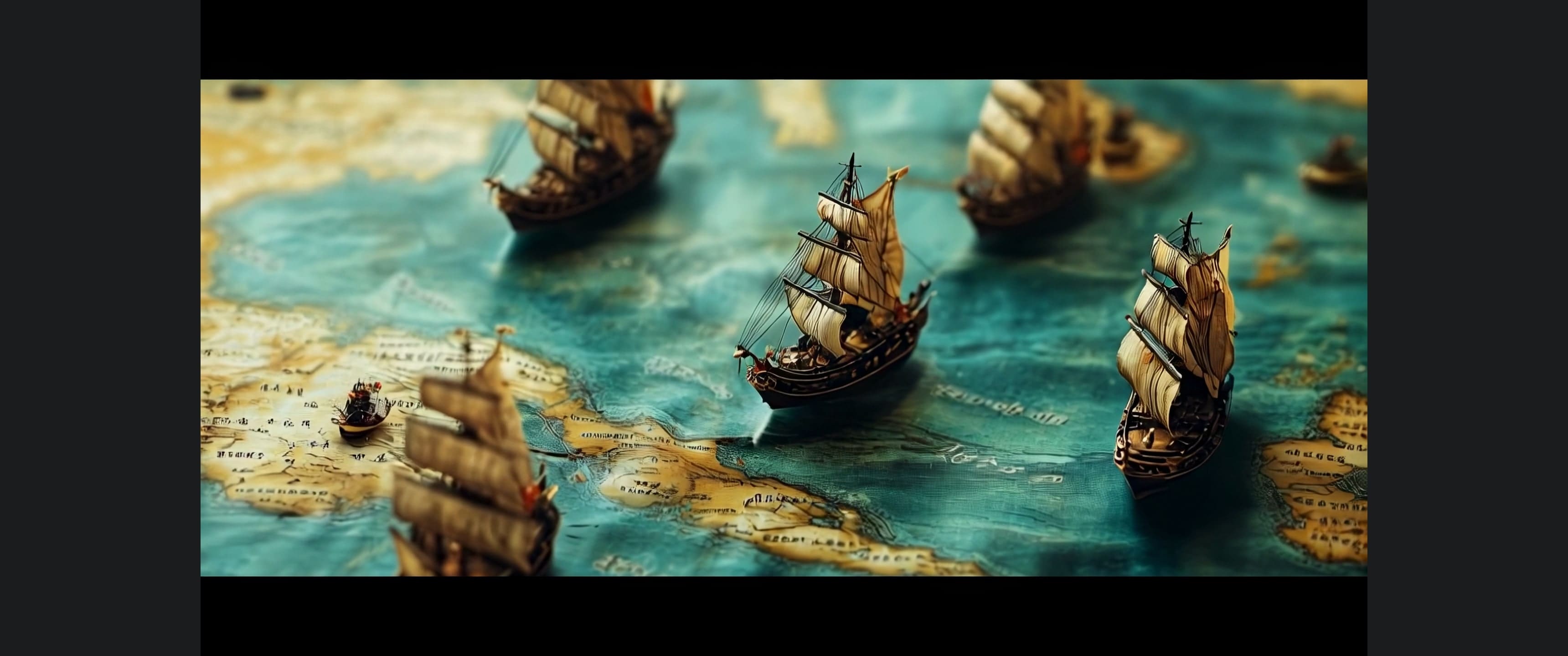
The filmmakers used the most advanced generative AI systems, which were able to create every aspect of the film – from the screenplay and visual depictions of the characters to the direction itself. The creative process began by entering a basic concept into the AI, which then generated a complete screenplay, including dialogue. Using advanced image-generation models, individual scenes, characters, and environments were created with a remarkable level of detail. The most challenging part of the process was ensuring consistency in the characters’ appearance throughout the entire film, which represented one of the main technical problems. The developers had to implement special algorithms to track and maintain visual continuity, although minor inconsistencies, such as changing facial features of the main characters, still appear in some scenes. Special attention was also paid to camera movements – an area that remains a significant challenge for AI. Some more complex shots required additional post-production adjustments, suggesting that despite the technology’s impressive progress, there are still aspects of the filmmaking craft where human intervention is essential.

The Story of the Legendary Pirate Queen
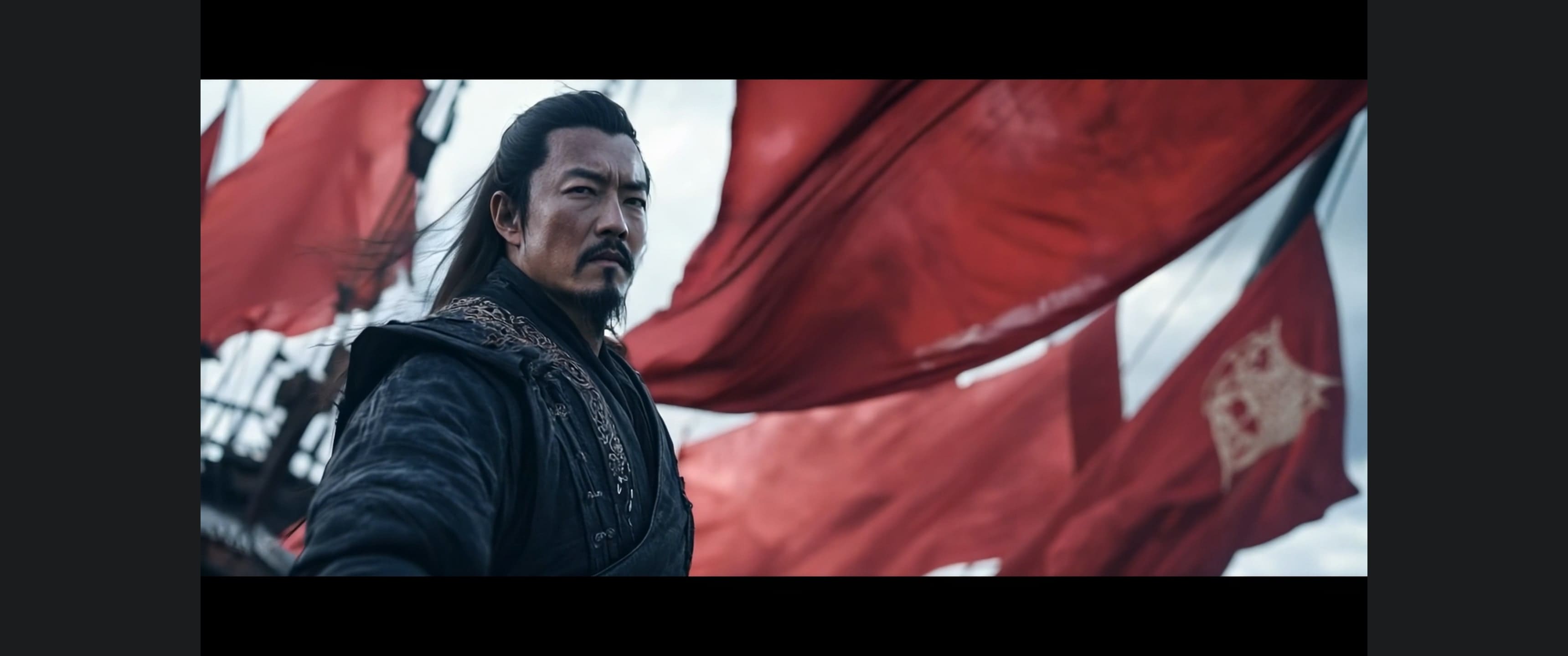
The film tells the fascinating story of Zheng Yi Sao (also known as Ching Shih), who rose from prostitution to become the most feared pirate leader in the history of the South China Sea. After marrying the pirate captain Zheng Yi, she took command after his death in 1807 of a massive fleet consisting of more than 300 ships and 20,000 men. Under her leadership, the pirate confederation became the dominant force in the region, successfully defying even the Chinese imperial fleet. The film focuses primarily on the period of her greatest power and the subsequent negotiations over amnesty with the Chinese government, which allowed her to end her pirate career without punishment and open her own gambling house. The story combines historical facts with dramatic elements that highlight her extraordinary strategic abilities and the success of a woman in a distinctly male-dominated world.
Reactions from Critics and Audiences
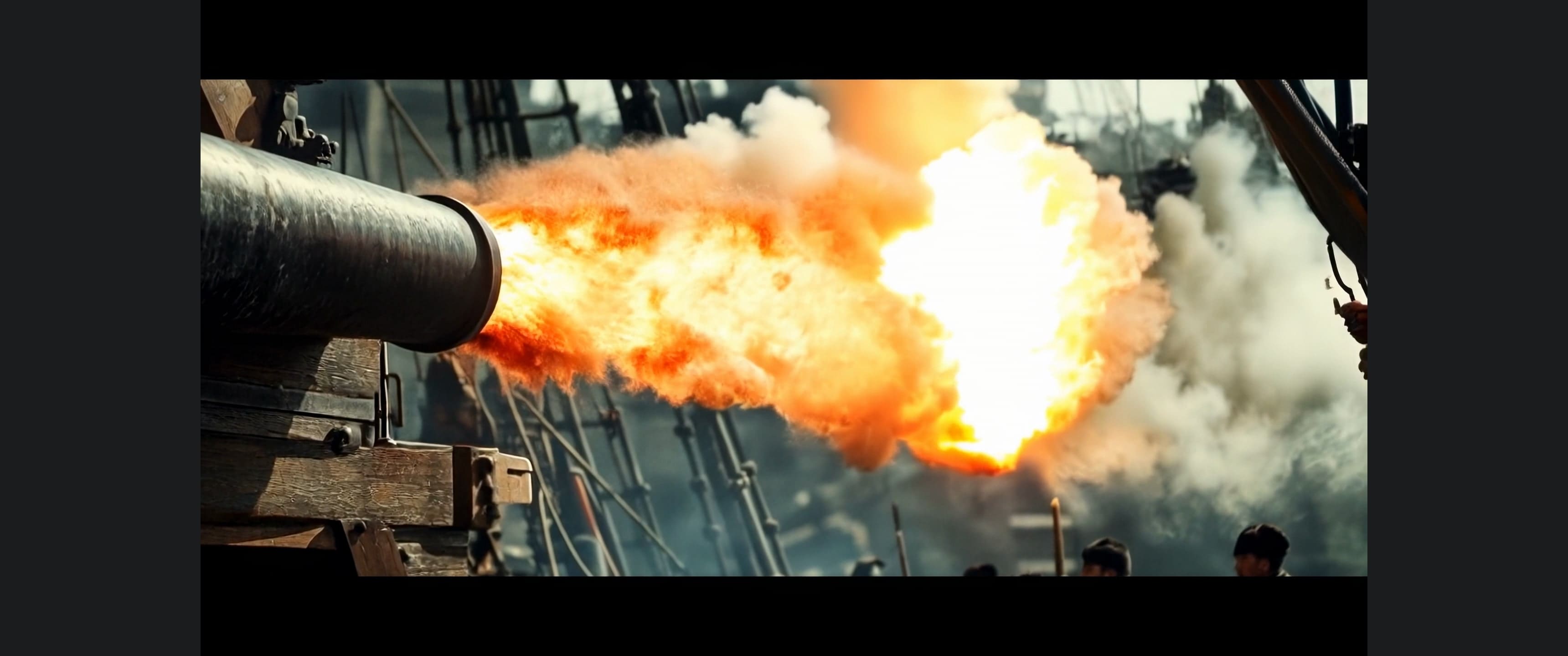
Critical reactions to the film are mixed, but they agree on one point – it is a significant technological milestone. Reviewers particularly praise the film’s visual presentation and the technical perfection of many scenes, especially those taking place at sea. “It is fascinating to watch AI create such visually captivating naval battle scenes. Some shots are truly breathtaking, and it is hard to believe that they were not created by an experienced film crew," writes one technology critic. On the other hand, traditional film reviewers often mention a lack of emotional depth and a certain sterility in the performances of the digital characters. “Despite the film’s technical brilliance, it lacks that elusive spark of human creativity that makes great films unforgettable," states a film critic from a prestigious magazine. Audiences were similarly divided into two camps. Technology enthusiasts celebrate the film as a breakthrough and proof of artificial intelligence’s growing capabilities. Traditional film fans are more skeptical and point to the ethical questions associated with automating the creative process.
Impact on the Film Industry
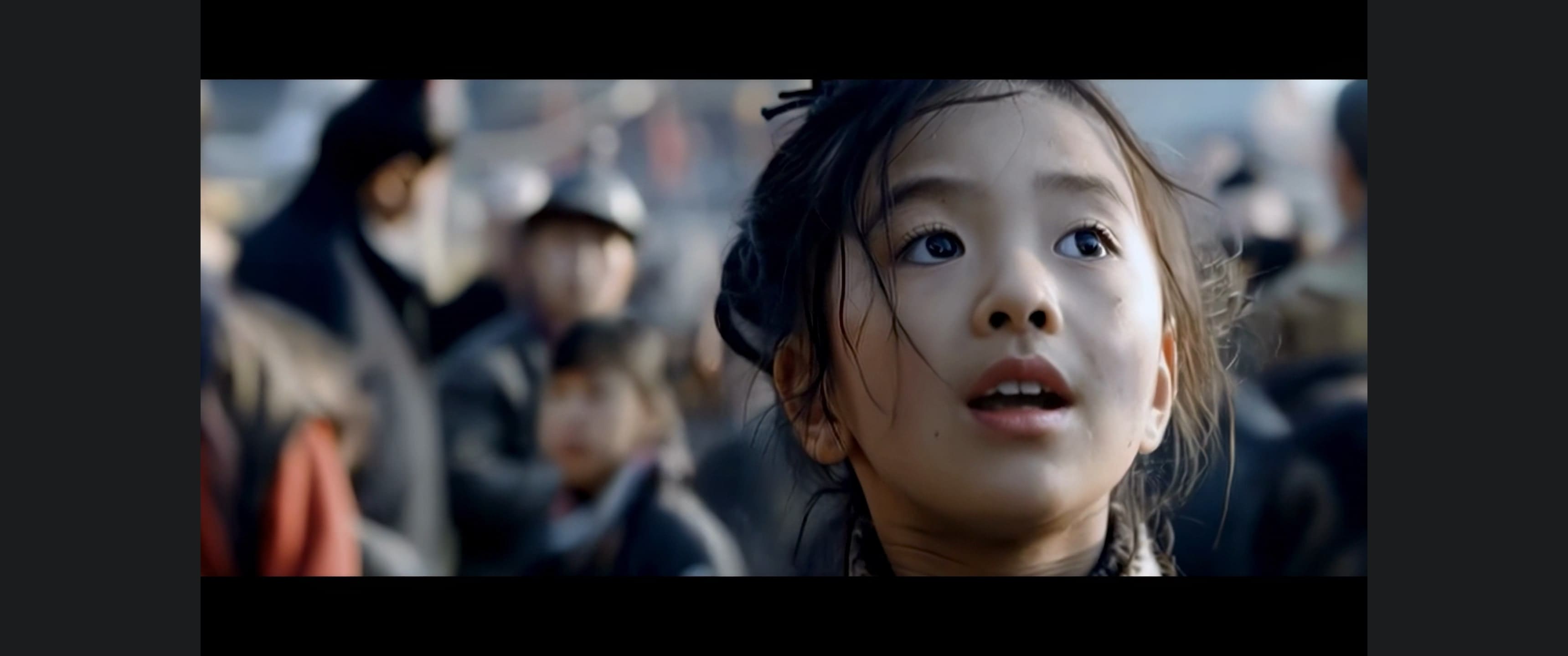
The film sparked an intense debate about the future of filmmaking. One of the most frequently discussed advantages is undoubtedly the financial aspect – the film did not require expensive locations, crews of lighting technicians and camera operators, or actors, which dramatically reduced production costs. “This approach could democratize filmmaking and enable talented creators with limited budgets to produce visually impressive works that were previously the preserve of major studios," comments a Singaporean film producer. At the same time, however, the film raises concerns about the future of jobs in the creative industry. Actors’ and film technicians’ unions have already expressed concern that similar technologies could in the future replace a significant portion of the industry’s workforce.
Whether we view this film as a fascinating demonstration of technological progress or as a disturbing sign of the direction in which the creative industry is heading, one thing is certain – “Pirate Queen: Zheng Yi Sao" represents a turning point in the history of cinema, raising important questions about the future balance between human creativity and the capabilities of artificial intelligence in the world of film.


