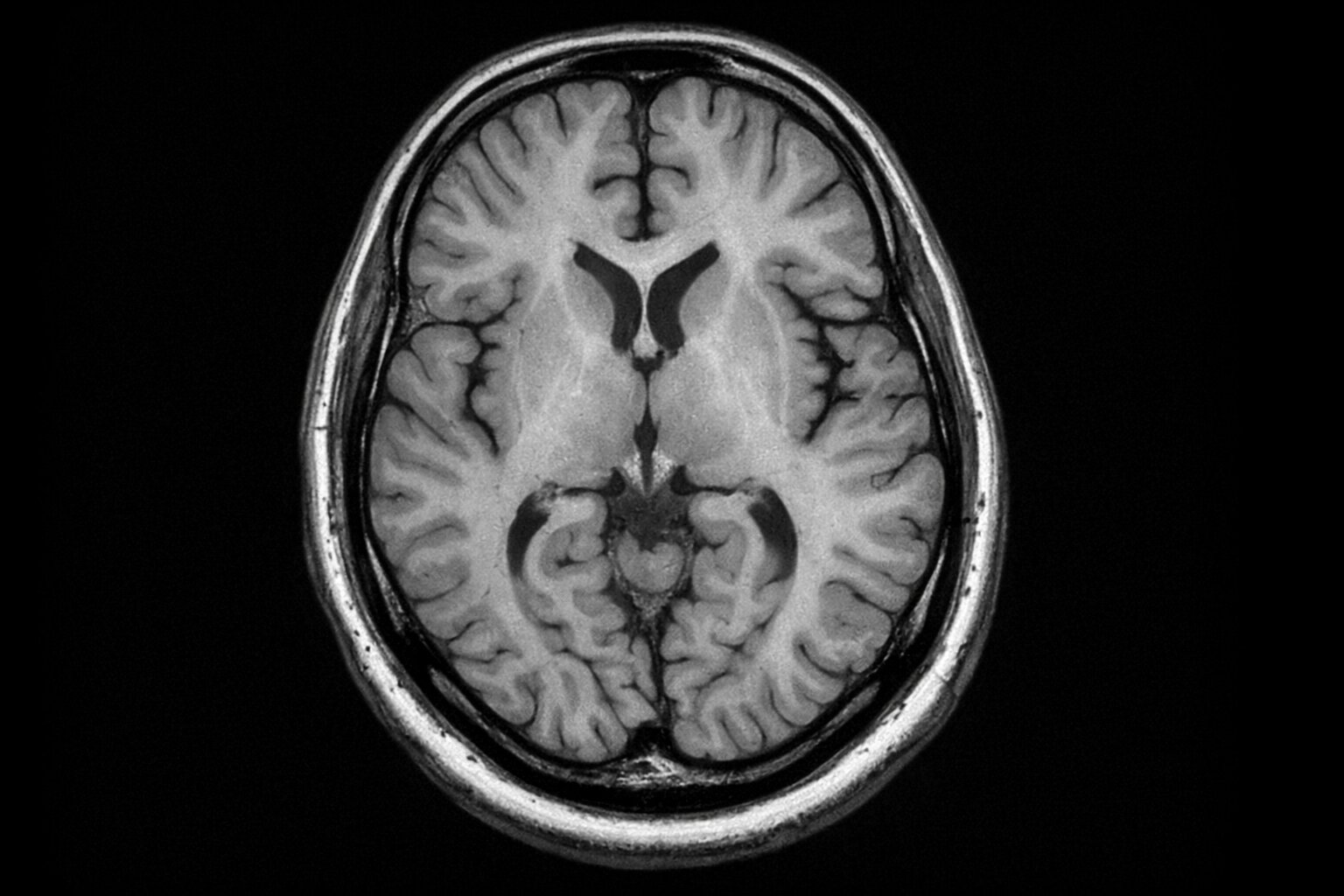
Scientists at the University of Michigan have developed an artificial intelligence system called Prima that can read brain MRI scans and make a diagnosis within seconds. The model identified neurological conditions with an accuracy of up to 97.5% while also determining how urgently patients needed medical care. The study results were published in the prestigious journal Nature Biomedical Engineering.
Technology That Is Transforming Neurology
Todd Hollon, a neurosurgeon at University of Michigan Health and the study's lead author, named the new system Prima. Over the course of one year, his research team tested the technology on more than 30,000 MRI studies. The model was evaluated across more than 50 different radiological diagnoses related to major neurological disorders.
"Given that global demand for MRI is growing and placing a significant burden on physicians and healthcare systems, our AI model has the potential to reduce this burden by improving diagnosis and treatment through fast and accurate information," Hollon said. Prima outperformed other leading AI models designed for brain imaging. In addition to identifying conditions, the model was also effective at prioritizing cases by urgency, allowing the most critical patients to be treated first.
Some neurological conditions, including strokes and brain hemorrhages, require immediate attention. In these situations, Prima can automatically alert healthcare professionals so that treatment can begin without delay. The system was designed to route alerts to the most appropriate subspecialist, such as a stroke neurologist or neurosurgeon. Feedback is available immediately after the patient's imaging examination is completed.
"Accuracy is paramount when reading a brain MRI, but fast results are crucial for timely diagnosis and better outcomes," said Yiwei Lyu, a study co-author and postdoctoral researcher in computer science and engineering at the University of Michigan.
How Does Prima Work?
Prima is a vision-language model (VLM), a type of artificial intelligence that can process images, video, and text together in real time. Although AI has previously been applied to MRI analysis, researchers say this approach is unique. Earlier systems were typically trained on carefully selected subsets of imaging data and designed to perform narrow tasks, such as detecting specific lesions or estimating dementia risk. Prima was built differently.
Hollon's team trained the model using every available MRI collected since radiology records were digitized at University of Michigan Health. This included more than 200,000 MRI studies and 5.6 million imaging sequences. In addition to scan data, the system was given access to patients' clinical histories and the reasons physicians ordered each imaging examination.
"Prima functions like a radiologist by integrating information about a patient's medical history and imaging data to develop a comprehensive understanding of their health," said co-author Samir Harake, a data scientist in Hollon's machine learning in neurosurgery laboratory.
Addressing the Shortage of Radiologists
Millions of MRI examinations are performed worldwide every year, many of them focusing on diseases of the brain and nervous system. According to the researchers, the growing demand for imaging significantly exceeds the supply of trained neuroradiologists. This imbalance contributes to staffing shortages, diagnostic delays, and preventable errors. In some healthcare systems, patients may wait days or longer for MRI results. "Whether you are getting a scan in a larger healthcare system facing increasing volumes or at a rural hospital with limited resources, innovative technologies are needed to improve access to radiology services," said Vikas Gulani, a co-author and chair of the Department of Radiology at University of Michigan Health.
Although Prima demonstrated strong performance, the researchers emphasize that the work is still in the early stages of evaluation. Future studies will explore how incorporating additional patient details and data from electronic health records could further improve diagnostic accuracy. Hollon describes Prima as "ChatGPT for medical imaging" and notes that similar technology could eventually be adapted for other types of scans, including mammograms, chest X-rays, and ultrasounds.
"Just as AI tools can help write an email or provide recommendations, Prima aims to be a co-pilot for interpreting medical imaging studies," Hollon said. "We believe Prima represents the transformative potential of integrating healthcare systems and AI models to improve healthcare through innovation."