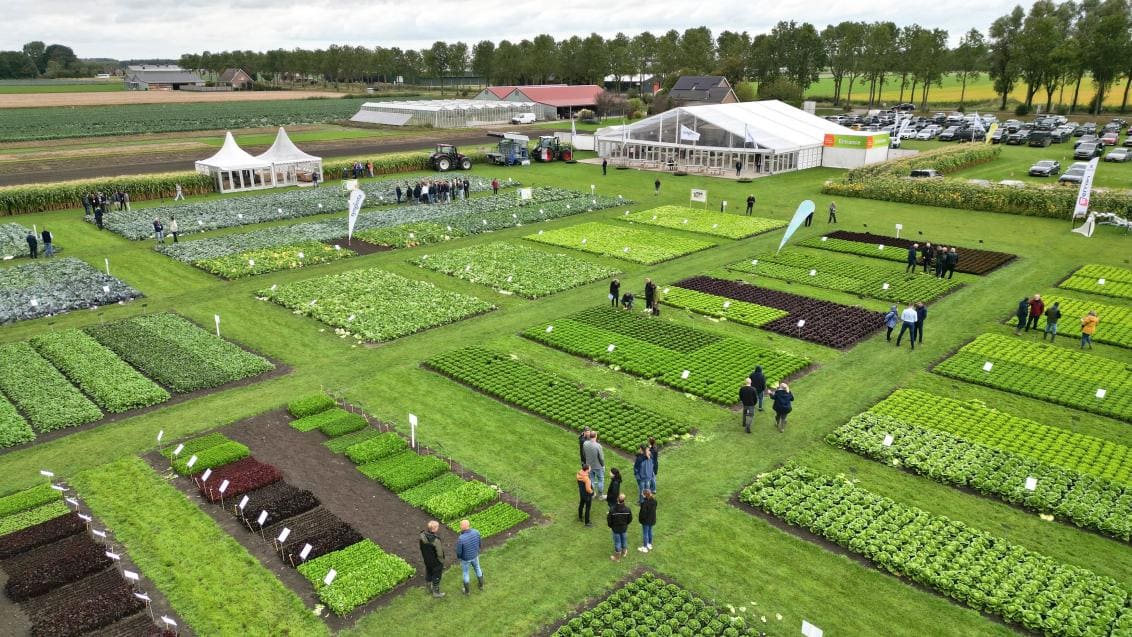
Agriculture is rapidly changing thanks to artificial intelligence, which helps select the best vegetable seed varieties from thousands of options. Companies such as Syngenta Vegetable Seeds and Heritable Agriculture are collaborating to develop tools that analyze data from trials and local conditions. These systems recommend seeds adapted to specific climate patterns and soil characteristics, shortening the time from selection to the first harvest. Heritable Agriculture, a spin-off of Alphabet's innovation lab, is creating software that predicts seed performance with a resolution of approximately 10 meters by 10 meters. Matthew Johnston, Global Head of Vegetable Seeds and Flowers at Syngenta, emphasizes that choosing the right seeds is crucial to growers' success, and new technologies such as AI bring innovation directly to fields or greenhouses.
Traditional seed selection methods include manual testing, field trials, data collection, and feedback from growers. AI is now accelerating these processes by processing vast amounts of information from global data sets. Syngenta already uses AI in areas such as the development of biostimulants and fertilizers, and it recently added the Cropwise AI chatbot to its Cropwise digital platform. This tool analyzes data and helps growers make crop selection decisions. The goal is to improve food security and ensure that growers produce affordable, resilient, and reliable food, especially amid changing climate conditions.
Key Features of Cropwise AI
Cropwise AI is a tool that empowers growers with in-depth insights and better decision-making to optimize yields, sustainability, and profitability. Its goal is to use artificial intelligence to revolutionize agriculture's information landscape through a network of AI agents, databases, APIs, and proprietary tools. Feroz Sheikh, Chief Information and Digital Officer at Syngenta Group, describes Cropwise AI as an important milestone in digital transformation that combines agronomic expertise with advanced AI capabilities. This system enables data-driven decisions that increase productivity and support sustainability.
Key features include advanced seed recommendations and placement. Cropwise AI uses predictive machine learning algorithms to provide personalized seed recommendations tailored to each grower's environment. It analyzes historical data and incorporates insights from experts, optimizing seed selection and placement for maximum yield. Another feature is sophisticated predictive modeling that forecasts crop growth patterns, potential yields, and risk factors. It integrates current data with historical information, providing growers with actionable insights for decision-making.
Cropwise AI also optimizes precision agriculture by offering hyper-local recommendations for input applications. It minimizes waste and maximizes the efficiency of resources such as water, fertilizers, and crop protection products. This improves sustainability and crop performance. The system is designed to be intuitive, scalable, and ethical, tailored to different regional needs, while continuously supporting innovation in the agricultural sector.
Benefits for Growers
Thanks to AI, agriculture is becoming more precise and automated. Systems use multispectral sensors, drones, and satellite imagery to monitor crop conditions, soil health, and growth anomalies in real time. Algorithms analyze data to map field variability and optimize irrigation and fertilization, leading to yield increases of up to 25% for major crops, lower input costs, and reduced environmental impact.
Predictive analytics processes historical data on weather, pests, and diseases to forecast outbreaks before symptoms appear. This enables targeted treatment, reduces crop losses, and minimizes pesticide use.
AI optimizes supply chains by forecasting demand, managing inventory, and tracking deliveries, reducing waste and improving food security. It supports sustainability by monitoring carbon footprints, optimizing water and fertilizer use, and protecting ecosystems through the selective application of chemicals. By the end of 2025, more than 60% of large farms worldwide are expected to use AI-powered smart farming systems. The precision agriculture market is expected to exceed $11 billion by 2032.
The Future of AI in Agriculture
Syngenta and Heritable Agriculture demonstrate how AI delivers measurable results in agriculture. Their collaboration improves commercial crop portfolios by combining Syngenta's global data with Heritable's AI tools. These technologies predict seed performance for growers worldwide at the micro level, helping them address unpredictable climate changes.
Cropwise AI represents a centralized ecosystem that leverages Syngenta's knowledge base, extensive data, and advanced analytics. It transforms complex information into clear insights, making data more accessible and useful across the agricultural value chain. This approach combines traditional farming knowledge with modern AI, leading to smarter and more sustainable agriculture worldwide.