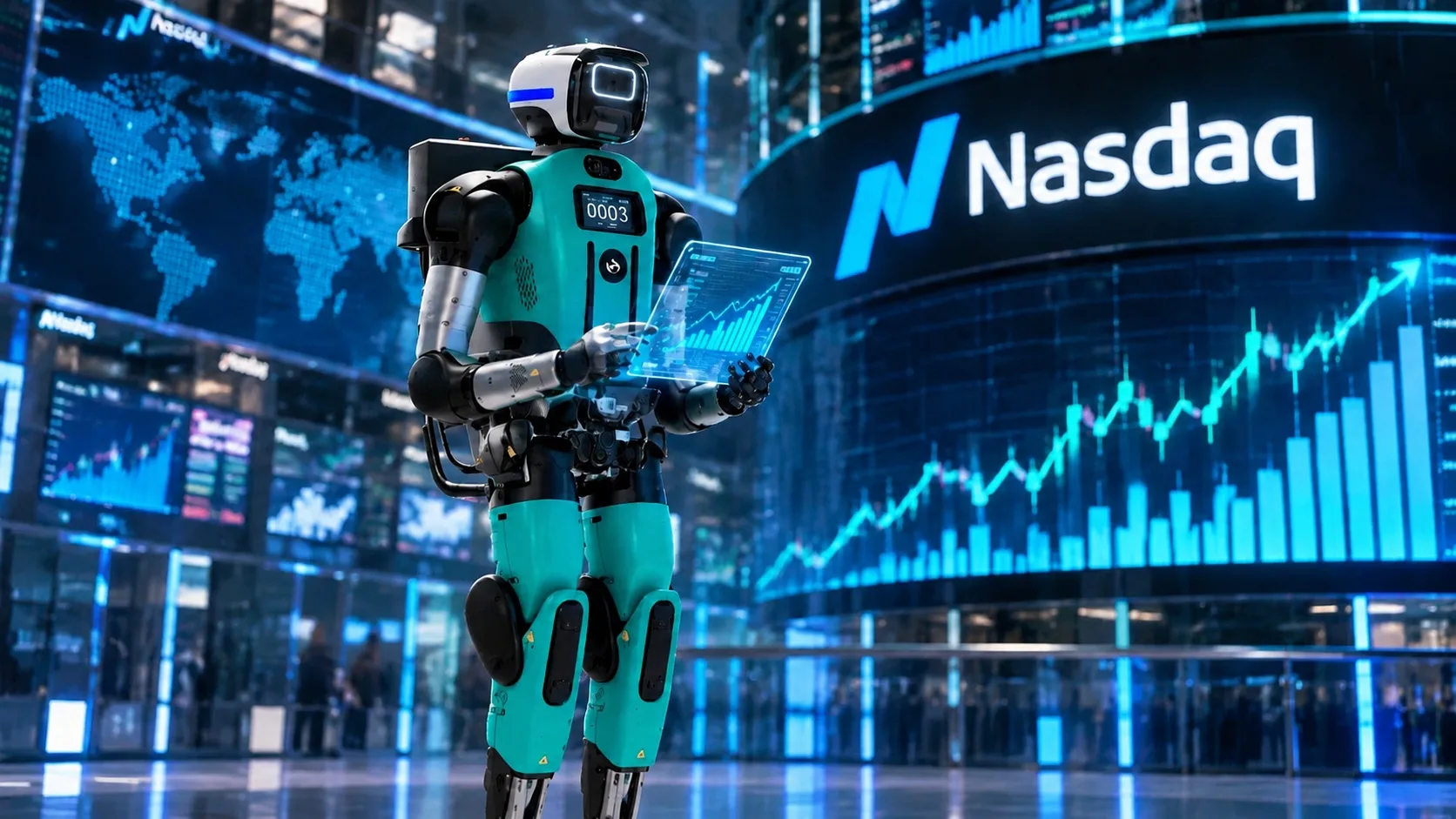
Just a year ago, Brett Adcock, CEO of rival company Figure AI, predicted on social media that Agility Robotics would go bankrupt within twelve months. But instead of bankruptcy came a stock market debut. On Thursday, November 5, Agility shares began trading on the US Nasdaq market under the ticker AGLT. The Oregon-based manufacturer thus became the first publicly traded company in the US dedicated exclusively to humanoid robots.
The market valued the company at $2.5 billion, even though it generated less than $2 million in revenue last year. Anyone buying its shares today is mainly paying for the prospect that Digit robots will begin making real money in warehouses and factories.
Going public through a shell company
Agility did not go public through the traditional route, in which a company offers shares to the public itself. It merged with Churchill Capital Corp XI, a so-called blank-check company. These companies first raise money from investors on the stock market and only then look for a private company to acquire. If they fail to find one by a set deadline, they must return the money.
The two parties announced the deal in June, Churchill shareholders approved it in early November, and the merger was completed on November 4. In June, the companies expected Agility to raise more than $620 million. In the end, it raised roughly $465 million because many Churchill shareholders chose to have their investment returned. About $164 million therefore remained from the original fund.
On the first day of trading, the shares opened at $11.26, above the $10 price assumed by the merger. During the day, they then fell to around $10.30 and remained close to the initial value.
A robot that actually works
Agility was founded in 2015 as a spin-off from the Dynamic Robotics Laboratory at Oregon State University. At the time, founders Jonathan Hurst, Damion Shelton, and Mikhail Jones were primarily focused on teaching a robot to walk safely on two legs. The company thus existed long before physical artificial intelligence became a field into which investors pour billions.
You will not see many dancing or backflipping robots from us, said company CEO Peggy Johnson. We have stuck to our strategy: manual, highly repetitive work for which it is difficult to find people.
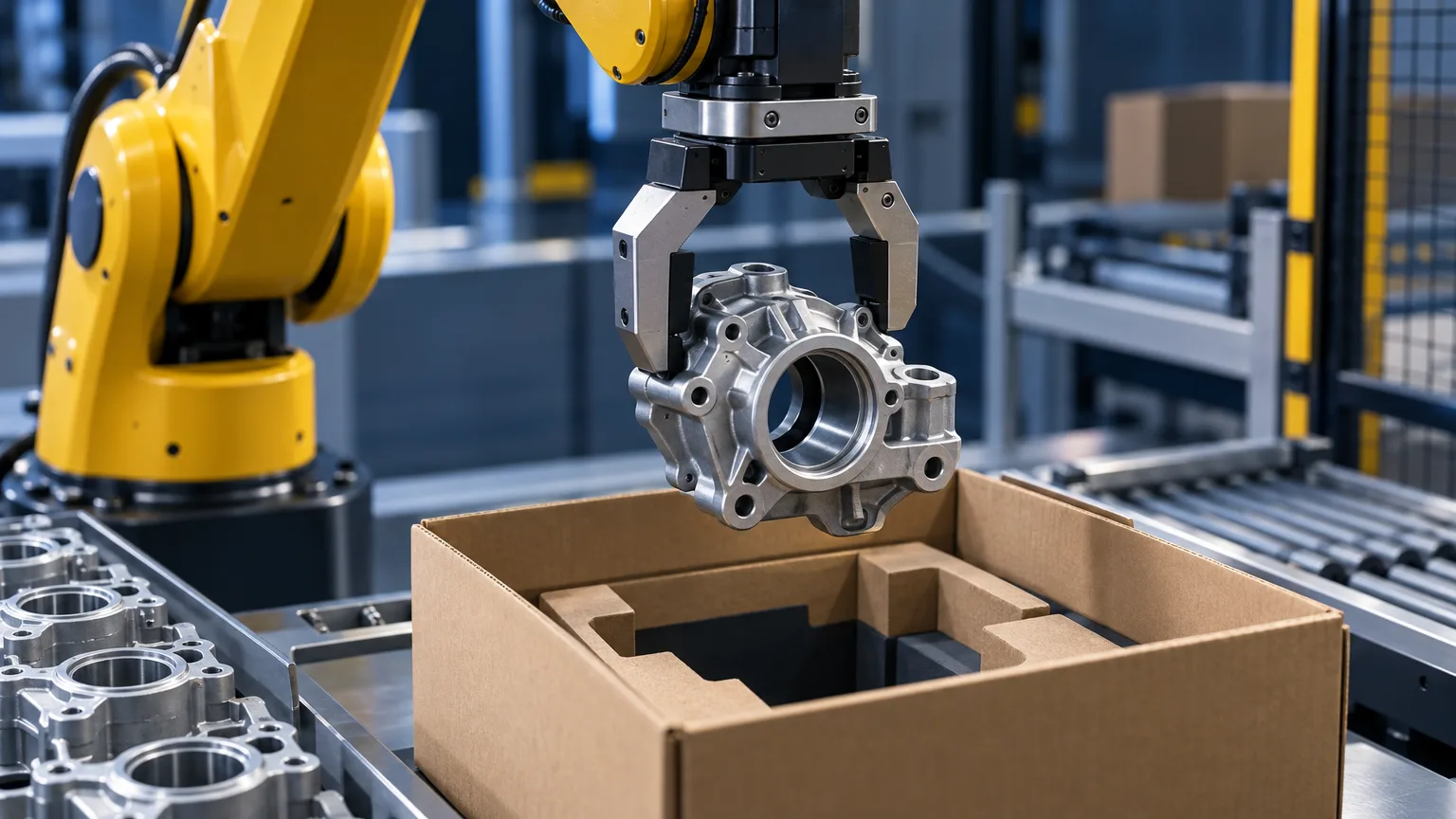
Digit now works at nine customer sites, including industrial component manufacturer Schaeffler, logistics company GXO, Toyota's Canadian factory, and Latin American e-commerce giant Mercado Libre. The robots have already completed more than 65,000 working hours. They mostly carry heavy plastic totes, and at GXO's warehouse in Georgia alone, they have moved more than 100,000 of them. GXO plans to deploy Digits at two more warehouses in early 2027, while agricultural machinery group AGCO will launch a manufacturing pilot with them that same year.
Compared with humanoids from Figure, Tesla, 1X, or Boston Dynamics, Digit appears somewhat cumbersome. Unlike most of them, however, it actually works and earns money. Agility promises companies that a single robot will save them $100,000 a year if they rent it as a service, and even more if they buy it outright. Johnson illustrates this with the example of a load weighing around 23 kilograms, which is the limit some facilities informally use to prevent employee injuries. Digit can lift it again and again. You do not want to give that kind of work to a person; you want to give it to a robot, she says.
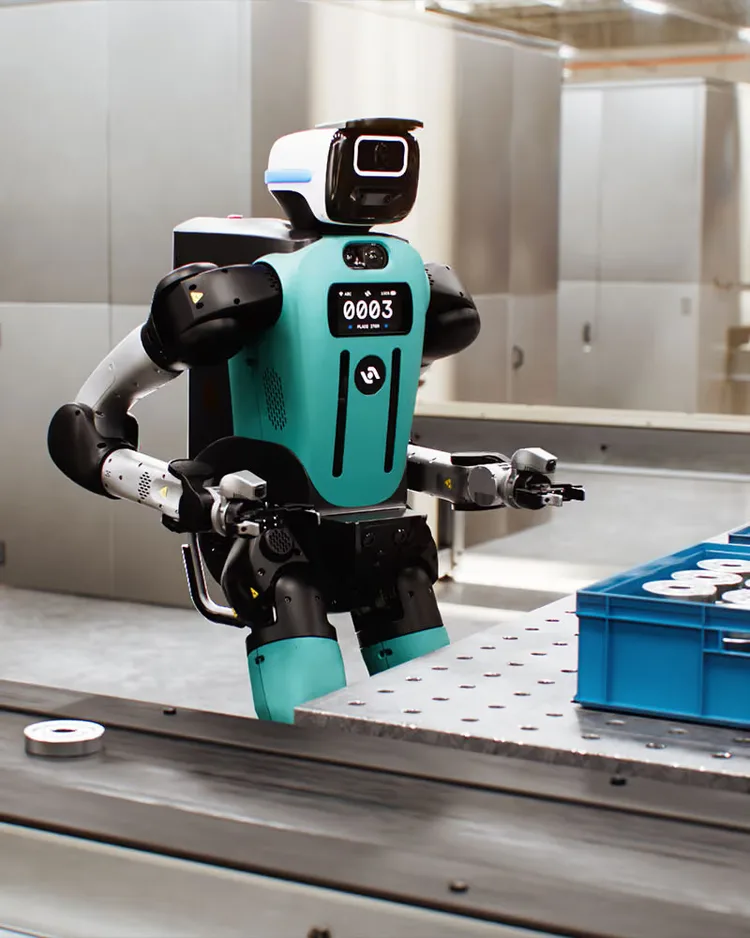
Digit 5 is designed to work directly alongside people
The company's entire story rests on the new generation of its robot. Agility introduced the Digit 5 model in September, and safety is meant to be its main advantage. Current humanoids, including the older model, must work in separate zones that people do not enter. The new model is designed to work in close proximity to them, which will significantly expand the range of tasks companies can assign to it.
The robot is designed to repeatedly lift up to 23 kilograms, can switch its end effectors, and can handle a wider range of manipulation tasks. Thanks to batteries from Nyobolt, it charges in nine minutes and works for more than twenty hours a day. The machine's brain will run on Nvidia chips.
Agility already has orders for Digit 5 worth more than $300 million spread over several years. According to Johnson, these contracts were one of the main reasons for going public. However, she cannot yet disclose the customers' names, and there is also a catch in the merger terms. The robot must meet undisclosed targets for performance, operational reliability, and object-placement accuracy. The company will publicly unveil prototypes at CES in January 2027, the first customers will receive them in the first half of the year, and they are expected to become generally available at the end of 2027.
The machines will be manufactured at the RoboFab factory in Salem, Oregon, which has a capacity of up to 10,000 units per year. The company sources roughly three-quarters of its components directly in the US. Hardware and artificial intelligence development takes place in Fremont, California, while the software team is being expanded in Pittsburgh.
However, the path to mass deployment will not be easy. Companies interested in the robot must first pay half a million dollars for a validation pilot at their facilities. Four customers agreed to this in May. Digit places loads with 98 percent accuracy, but like most robots today, it cannot yet handle more complex tasks with its hands. There is no internet full of physical data on robot movement, Johnson explains. Like its competitors, Agility therefore simulates the data, but it has the advantage of tens of thousands of hours from real-world operations.
One thousand times revenue and fears of a bubble
The financial figures look modest next to the high valuation. Last year, Agility generated less than $2 million in revenue, compared with just $310,000 the year before. Moreover, nearly two-thirds of its revenue came from related parties. Its loss for 2025 exceeded $138 million. In the first half of this year, the company generated only $174,000 in revenue and lost more than $362 million.
Forbes columnist Jon Markman calculated that the market values Agility at roughly 1,400 times last year's revenue. By comparison, Chinese humanoid manufacturer Unitree, which went public in Shanghai in August, generated approximately $235 million in revenue last year and was valued by investors at around 36 times that figure. Agility itself admits in its announcement that the $300 million in orders does not yet constitute actual revenue.
Markman points out that the internet boom began similarly in the 1990s, when banks sold the public shares in companies with big stories and little revenue. For now, however, he says there is no indication that a bubble is inflating. This year, 121 companies have gone public in the US, 36 percent fewer than last year. The number of blank-check companies, on the other hand, is increasing: 142 entered the market in the first eight months, and each needs to find a company to acquire before its deadline.
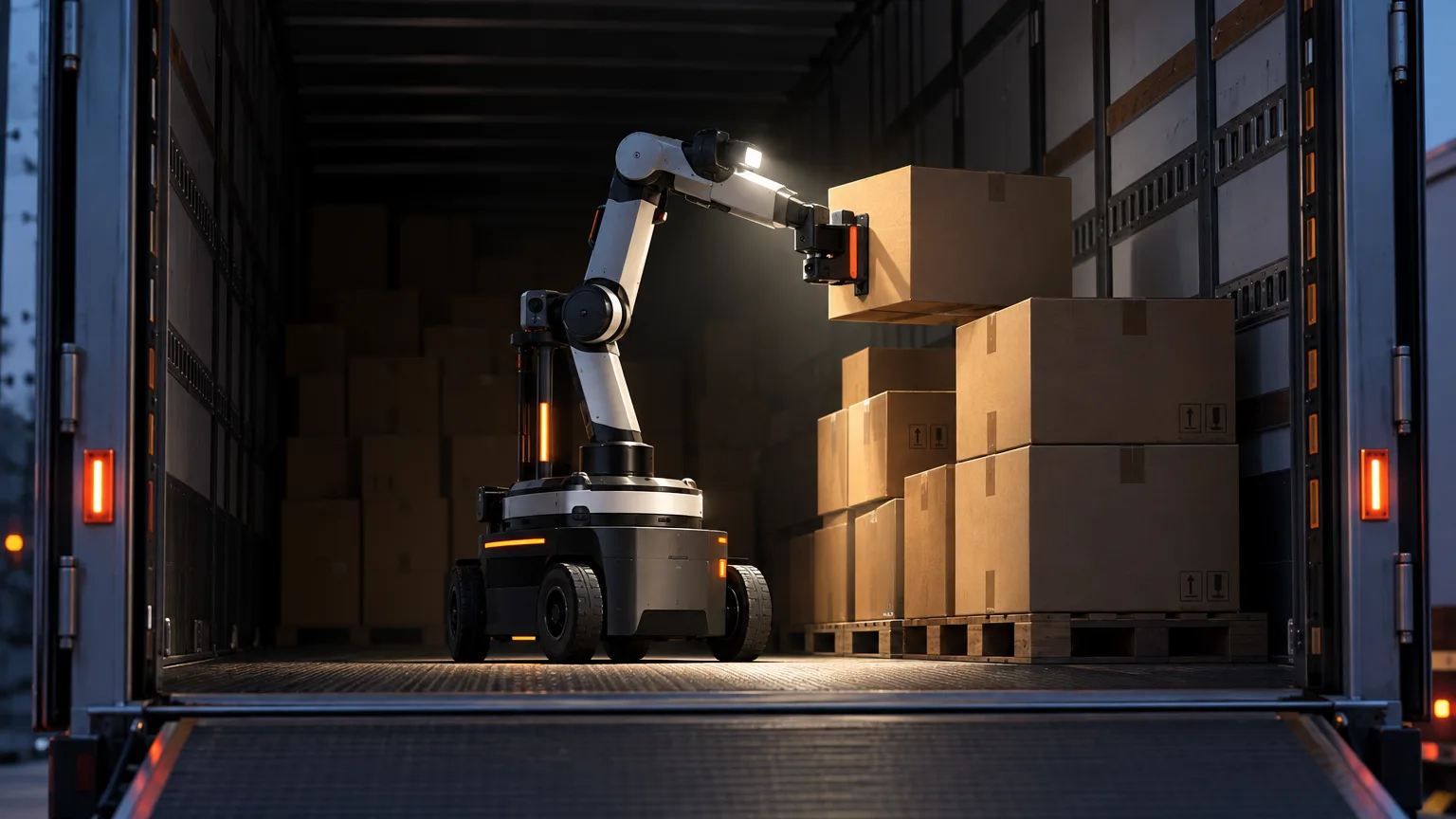
Johnson acknowledges that the money raised will cover the company's current needs. However, she declined to say whether it would be enough for Agility to become self-sustaining. Co-founder Hurst, meanwhile, is aiming high. Let's start with totes, then move on to picking and assembling goods, he explained in the summer. Then we will tackle cardboard boxes, which is very difficult, as well as loading and unloading trucks. And then we are at 100 million robots and have a trillion-dollar company.
Agility is backed by major names. Its investors include Nvidia, Amazon, SoftBank Vision Fund 2, Taiwanese electronics manufacturer Foxconn, Schaeffler, and the DCVC fund. Foxconn led a group of investors that contributed more than $200 million to the company during the merger at a price of $10 per share. Agility raised another $100 million before the deal was completed. Altogether, nearly two-thirds of the new money came from them. All existing shareholders retained their stakes and are prohibited from selling them for another 180 days.
Sources: techrepublic.com, techcrunch.com and forbes.com