

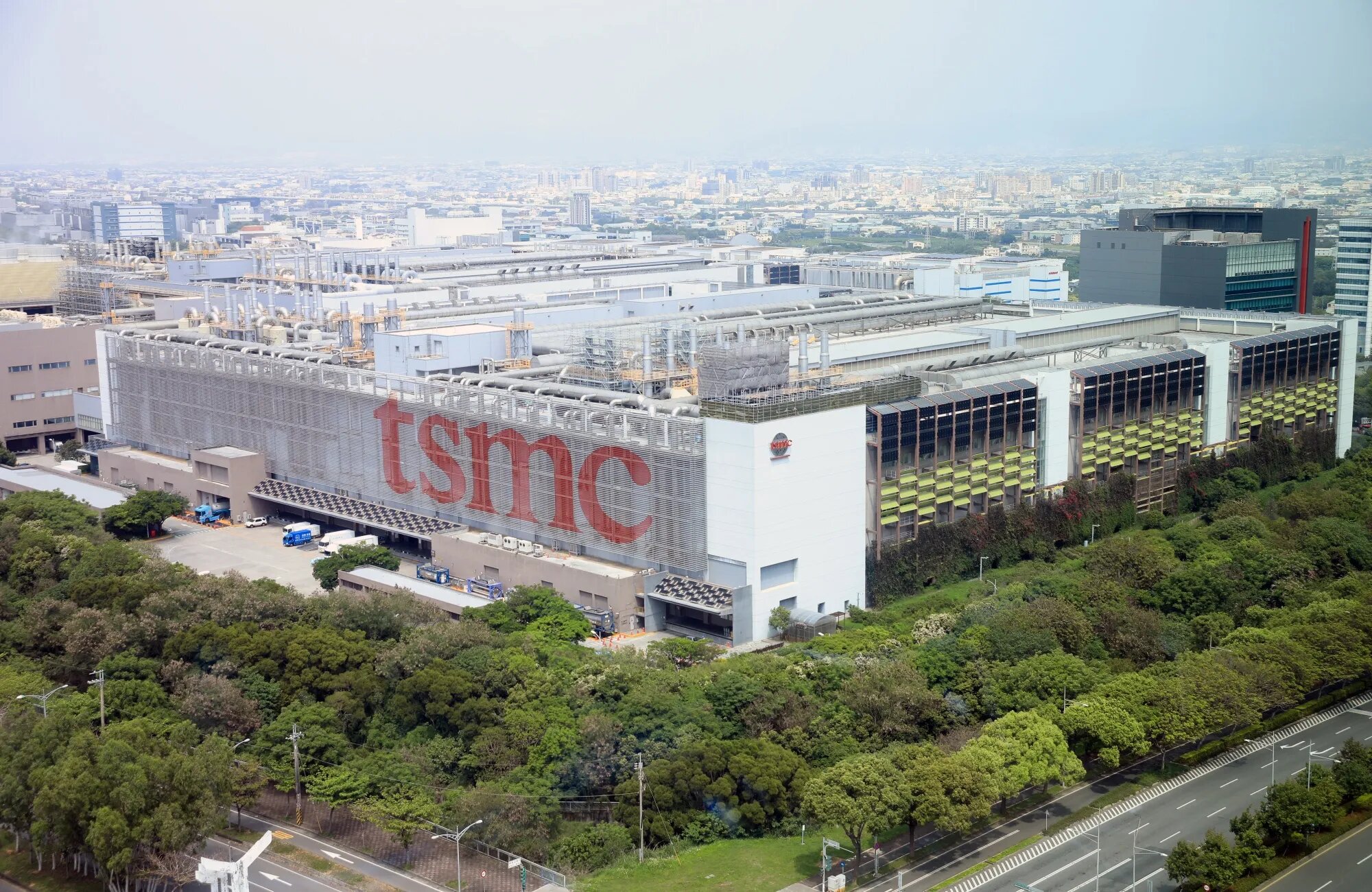
Taiwan Semiconductor Manufacturing Co., the world's largest contract chip manufacturer, is preparing to spend up to CZK 1.3 trillion on new factories and technologies in 2026. That is 27 to 37% more than last year, driven by enormous demand for artificial intelligence chips. The company announced this after reporting its results for the fourth quarter of 2025, which showed that it is performing exceptionally well. CEO C.C. Wei said at a press conference that these plans are based on careful discussions with major customers such as Nvidia, Google, and Apple. "If we didn't do this carefully, it would be a major disaster for TSMC," Wei added.
The company is struggling with a shortage of production capacity because the world needs more and more advanced chips for AI systems. TSMC plans to invest most of the money in building new factories in Taiwan and the US to meet this demand. In Arizona, where it already has one factory, the company has purchased additional land and is preparing to expand. The second Arizona factory is expected to begin production in the second half of 2027. All of this is related to pressure from the US, which wants more domestic production, and TSMC has already pledged to invest a total of CZK 3.8 trillion there.
Results that exceeded expectations
For the fourth quarter of 2025, TSMC reported net profit 35% higher than a year earlier, setting a new record. Revenue grew by 20.5%. This is because its chips are crucial for AI, and customers such as Nvidia are buying as many as they can get. The company maintains a gross margin of 60%, which means it can pass costs on to customers even as it faces higher electricity prices or geopolitical challenges.
eToro analyst Zavier Wong commented that when a company like TSMC spends at this level, investors should expect long-term demand for AI, not just a short-lived boom. "This quarter reinforced TSMC's role as a bellwether for the entire semiconductor and AI sector," Wong said. The company is focusing on manufacturing high-end chips, which are more complex and larger and therefore require better packaging—the process of combining chips with memory.
Focus on chip packaging and US expansion
TSMC plans to devote 10 to 20% of its spending to advanced chip packaging technologies because this is the biggest bottleneck holding back the entire industry. AI chips are so complex that they do not work properly without good packaging, and TSMC wants to address this shortage. Its packaging business now generates higher margins than the rest of its operations, which is a major win for the company.
In the US, TSMC is facing pressure to invest more to help reduce dependence on Taiwan, which China is threatening to annex. Last year, the company pledged CZK 3.8 trillion for US projects, and it now plans to build several new factories in Arizona, including two focused specifically on chip packaging. This is related to negotiations between Taiwan and the US over lower tariffs—the agreement is reportedly close to being finalized. Wei mentioned that the company had already purchased another nearby parcel of land but did not disclose details about the expansion.
This boom in TSMC's investment shows just how scarce AI chips are. The company is trying to keep pace with rivals in the race to pack as many transistors as possible onto a chip, but packaging is now just as important. With customers such as Nvidia, Google, and Apple ordering chips for AI, TSMC expects demand to remain strong. TSMC is thus entering 2026 with strong results and major plans that should help address the global chip shortage.
Sources: asia.nikkei.com and finance.yahoo.com


