

Tesla Faces Robotics Delays and Robotaxi Regulations
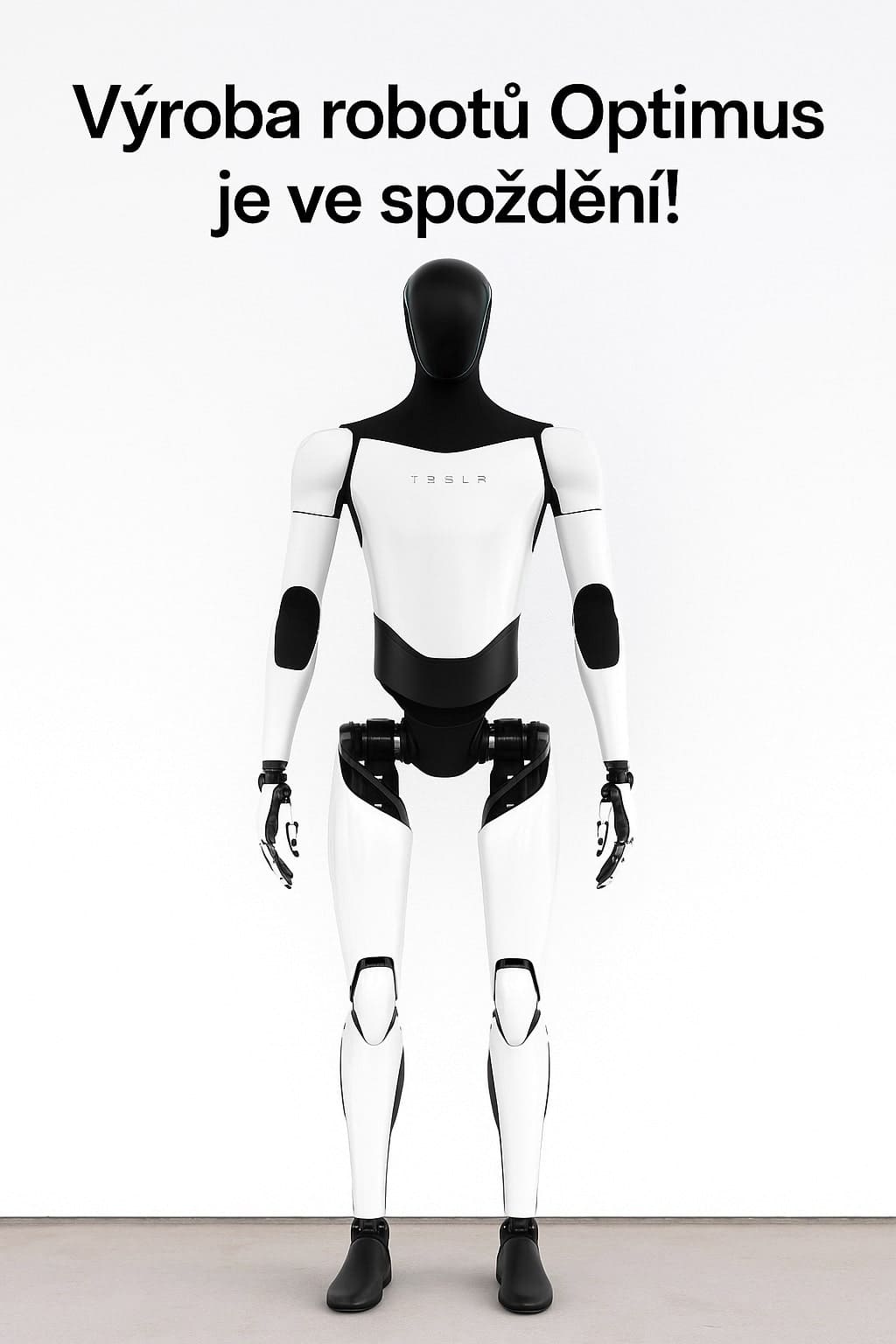
Tesla is grappling with serious problems in the production of its Optimus humanoid robots. According to information from July 2025, production is significantly behind the target of manufacturing 5,000 units by the end of the year, having reached only the low hundreds so far. These delays come as the company faces declining electric vehicle sales, causing its shares to fall after the release of its financial results. CEO Elon Musk must therefore address the complexities of transitioning from prototypes to mass production while competition from companies such as Figure AI grows.
Regulatory Obstacles for the Robotaxi Service
Plans to expand the robotaxi service are encountering tough regulatory barriers, particularly in California. Elon Musk aimed to deploy the service in half of the United States by the end of 2025, but state agencies such as the California Public Utilities Commission (CPUC) and the California Department of Motor Vehicles (DMV) are slowing the process. Tesla does not have permission to test fully autonomous driverless vehicles or use them to transport the public.
In July 2025, Tesla launched a ride-hailing service in the San Francisco area, including San Jose and Berkeley, but without mentioning robotaxis. Instead, it uses vehicles with human drivers, potentially equipped with Full Self-Driving (Supervised), which requires the person behind the wheel to remain attentive. Last week, the CPUC confirmed that Tesla must first complete a pilot phase without charging customers before it can apply for full autonomous authorization—a process that took competitors such as Waymo years.
Progress and Comparison with Competitors
While Tesla operates robotaxis with a safety monitor in the front seat in Austin, Texas, California requires an employee to be behind the wheel to take control. Tesla is seeking approval in other states such as Nevada, Arizona, and Florida, but details of its progress are unknown. These restrictions highlight how the regulatory environment complicates Musk's ambitious plan.
The San Francisco service puts Tesla in direct competition with Waymo (an Alphabet unit), which surpassed Lyft's market share this year and became the second-largest ride-hailing provider after Uber. Tesla would need additional permits from the CPUC and DMV to offer paid robotaxi rides, which could take years.
Impact on Tesla's Overall Strategy
These robotics challenges come amid a slowdown in electric vehicle sales, forcing Tesla to shift its focus to new technologies. The company's shares fell by nearly 2% after the San Francisco service launched, reflecting investor concerns. Sources such as The Information and Reuters emphasize that Musk's goals will remain at risk unless the technical and regulatory issues are resolved. As of August 2025, there is still time for improvement, but progress is slow.


