

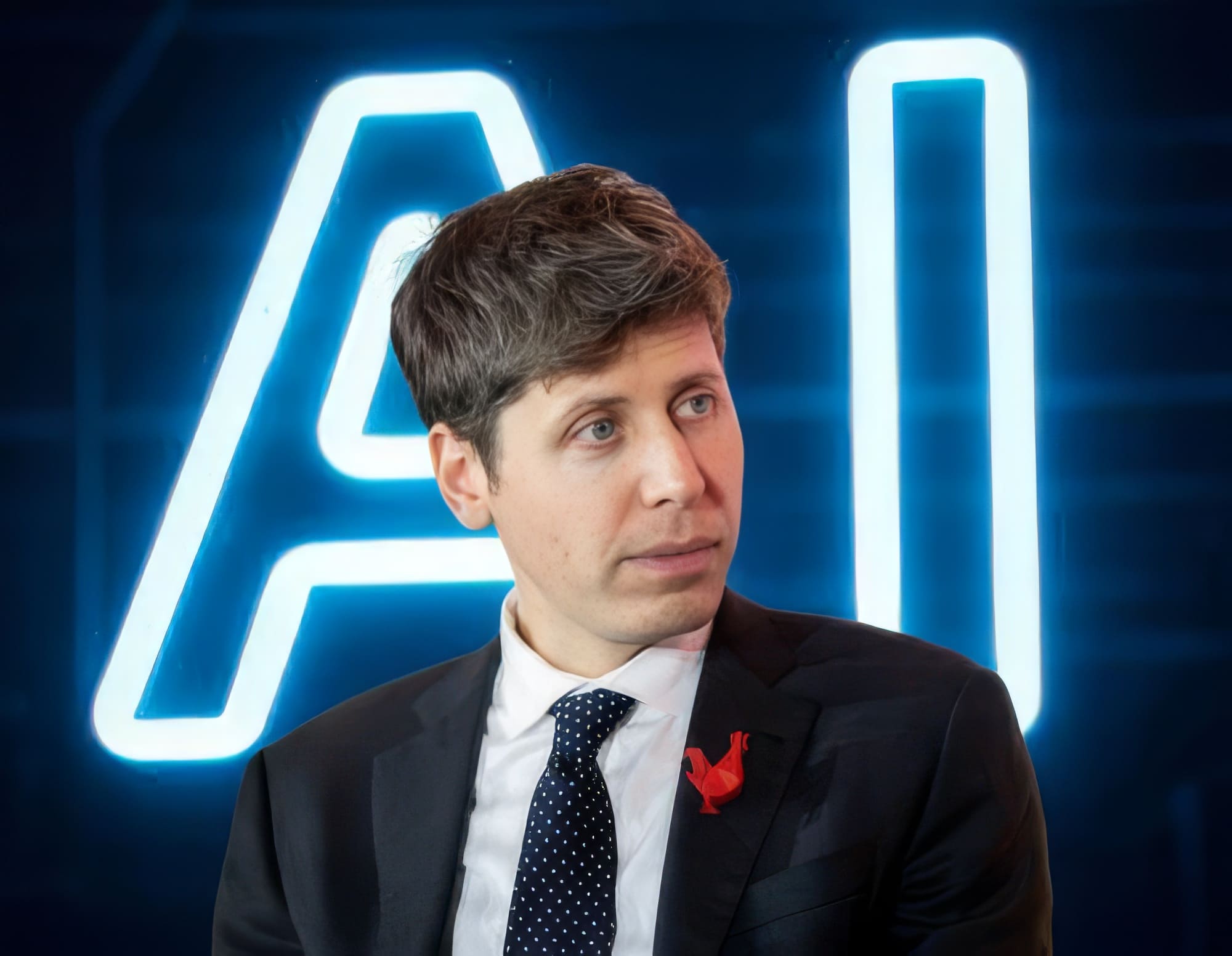
Sam Altman, CEO of OpenAI, revealed that the company will close out 2025 with annual revenue exceeding $20 billion (about CZK 470 billion at an exchange rate of CZK 23.5 per dollar). This figure represents a doubling from the $10 billion the company reported just a few months ago. Altman shared this in response to questions about the company's financial strategy, emphasizing that such growth is crucial to its future goals. According to him, revenue could reach hundreds of billions of dollars by 2030, indicating an ambitious expansion into new areas.
The company is focused on expanding its services, including new offerings for businesses designed to compete with products such as Microsoft Copilot or the AI-powered Google Workspace. OpenAI plans to sell computing capacity directly, making it a cloud provider for artificial intelligence workloads. This means customers will be able to purchase it directly from OpenAI.
I would like to clarify a few things.
— Sam Altman (@sama) November 6, 2025
First, the obvious one: we do not have or want government guarantees for OpenAI datacenters. We believe that governments should not pick winners or losers, and that taxpayers should not bail out companies that make bad business decisions or…
Data centers
OpenAI has signed or plans to sign infrastructure commitments worth about $1.4 trillion (approximately CZK 32.9 trillion) over the next eight years. That averages $175 billion annually (about CZK 4.1 trillion per year), surpassing the historical infrastructure investments of giants such as Amazon or Microsoft. This money is going toward building data centers intended to support future artificial intelligence models, enterprise services, and the sale of computing power.
Altman explained that the risk of insufficient computing capacity is greater than that of overinvestment because demand for artificial intelligence exceeds current capabilities. The company is therefore trying to secure enough resources for rapid growth, including new hardware projects. For example, it is working with Jony Ive's team to develop a palm-sized artificial intelligence device, which could create a new category of consumer products.
Focus on science and new markets
OpenAI is also turning to scientific fields such as drug discovery and materials science through initiatives such as OpenAI for Science. This enables artificial intelligence to be used for practical applications in medicine and research. Altman said these areas are part of a strategy intended to take the company beyond its current services.
The company's financial health remains stable, even though infrastructure investments are resulting in net losses. Altman described the path to profitability as sound, with an emphasis on long-term success. At the same time, he rejected the idea of government guarantees or bailouts for private companies, suggesting instead that governments should build their own infrastructure for the public good.
Financial strategy without government assistance
In response to speculation about government support, Altman clearly stated that OpenAI does not want public guarantees for its investments. Instead, he supports the idea that governments should invest in their own artificial intelligence systems for the common good. This position comes at a time when the need for massive investment in artificial intelligence infrastructure is being debated, but OpenAI is relying on private funding.
The company is preparing for an expansion that includes not only software but also hardware and scientific applications, with the goal of covering a wide range of markets.
Sources: techcrunch.com and theinformation.com


