

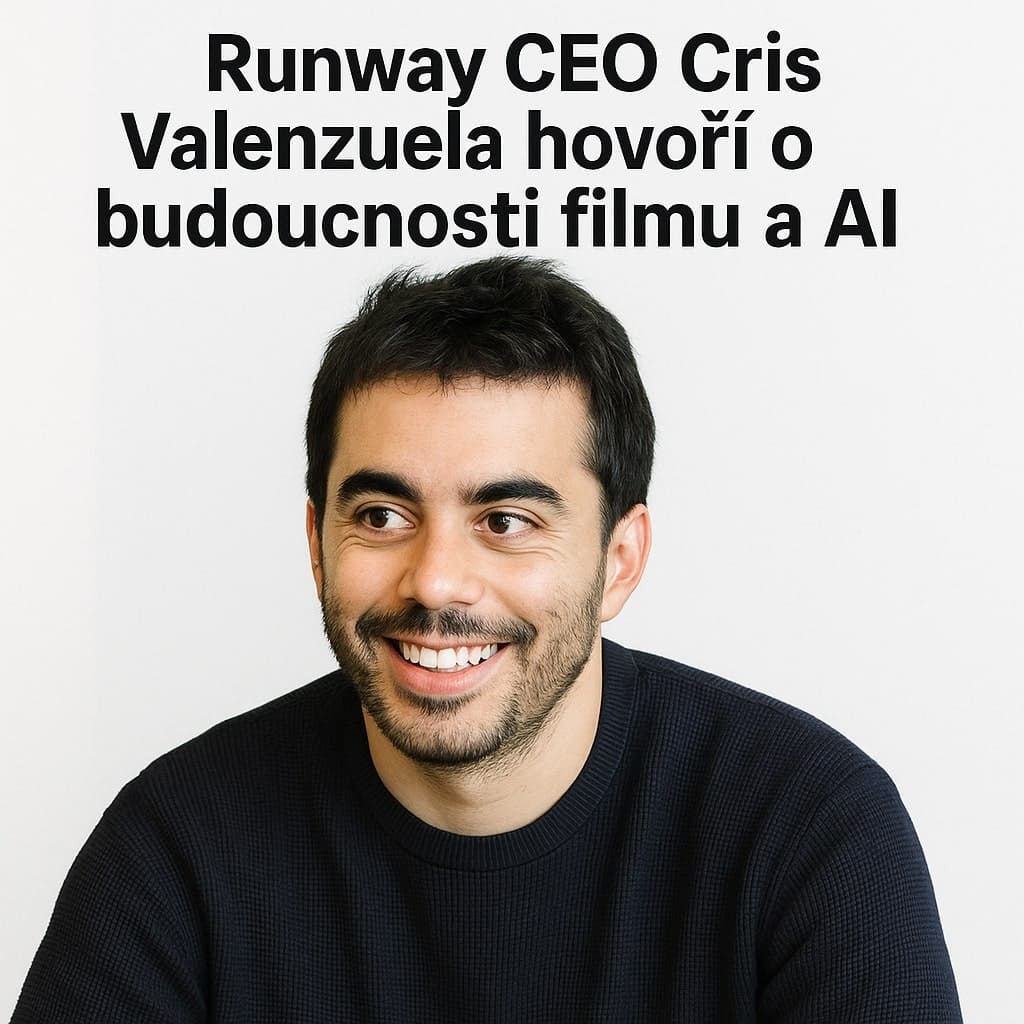
Runway CEO Cris Valenzuela Discusses the Future of Film and AI
Artificial intelligence for video creation is entering an increasingly intense confrontation with the traditional film industry, copyright law, and major platforms. At the center of this revolution is Cris Valenzuela, founder and CEO of Runway, which has become one of today's most influential AI video platforms.
Runway as a Pioneer in AI Video Technology
Under the leadership of Cris Valenzuela, Runway represents one of the most advanced platforms for generating videos using artificial intelligence. This technology allows creators to produce high-quality video content based solely on text descriptions and other generative tools. According to Valenzuela, Runway's technology is fundamentally changing how films and media content are created, lowering barriers for creators and offering new forms of visual storytelling that were previously limited by budget or access to traditional filmmaking equipment. Runway continues to improve, and its AI models are becoming more powerful, directly affecting the platform's overall commercial success. However, this evolution also brings new challenges, particularly in copyright and relations with the traditional film and media industry. Valenzuela openly acknowledges that Runway is "on the same collision course with creators, artists, and copyright as every other part of the AI industry."
Collision with Hollywood and Copyright Law
As Runway's AI models become more powerful and gain commercial traction, they are coming into direct contact with established Hollywood players. This encounter is generating both excitement and anxiety within the industry, much like the arrival of the camera disrupted the art world in the early days of cinema. One of the most controversial aspects is the use of existing video content to train AI models. Reports have emerged that Runway trained its models on thousands of YouTube videos without their creators' permission, raising questions about fair use principles and potential copyright infringement. This practice places AI companies under regulatory scrutiny and may lead to new licensing agreements or legal challenges. The key issues being discussed in this area include whether AI-generated video constitutes an original work or derivative content subject to existing copyright law. Another concern involves the legal and ethical implications of training AI models on protected material without explicit permission, particularly material from platforms such as YouTube.
Partnerships with Film Studios
In response to these challenges, Runway has begun establishing direct partnerships with Hollywood studios such as Lionsgate, allowing it to train its models on their catalogs. This demonstrates an effort to legitimize data sources and foster collaboration with the industry rather than confrontation. Runway has also entered into partnerships with entities such as AMC Networks, suggesting a path toward more structured and mutually beneficial relationships between AI startups and the entertainment industry. In the Decoder podcast on The Verge, Valenzuela argues that AI filmmaking is the future and that the industry must adapt to the new creative paradigm introduced by generative models. He emphasizes both the transformative potential of AI tools to democratize filmmaking and the need for clear legal frameworks to address copyright issues.
Hollywood's Response
Hollywood's response has been mixed. While some producers and studios express concerns about the implications for jobs, creativity, and control over content, others are embracing AI as a tool for innovation. There are fears that AI could replace traditional roles in film production, including animators, editing specialists, and even some directing functions. On the other hand, Valenzuela argues that AI tools do not necessarily have to replace human creators but can instead provide them with new possibilities and capabilities. The democratization of filmmaking means that smaller creators and independent filmmakers can now produce content that would previously have required substantial budgets and large production teams.
YouTube and the Future of AI Video Creation
YouTube plays a critical role in this discussion because it hosts an enormous repository of video content that has been used, both with and without permission, to train AI models. This has placed AI companies under scrutiny and may lead to new licensing agreements or legal challenges. The platform must address how to protect the rights of its creators while simultaneously enabling innovation in AI. Valenzuela sees YouTube not only as a source of training data but also as a future venue where AI-generated content will play a significant role. He expects AI tools to become a common part of many YouTube creators' workflows, leading to new forms of content and storytelling.
Cris Valenzuela and Runway are at the forefront of technological and legal change in filmmaking, negotiating the boundaries of creativity, copyright, and collaboration as AI-generated video becomes an increasingly mainstream tool in Hollywood and on online platforms such as YouTube. The future will depend on how successfully a balance can be found between innovation and protecting the rights of existing creators.


