

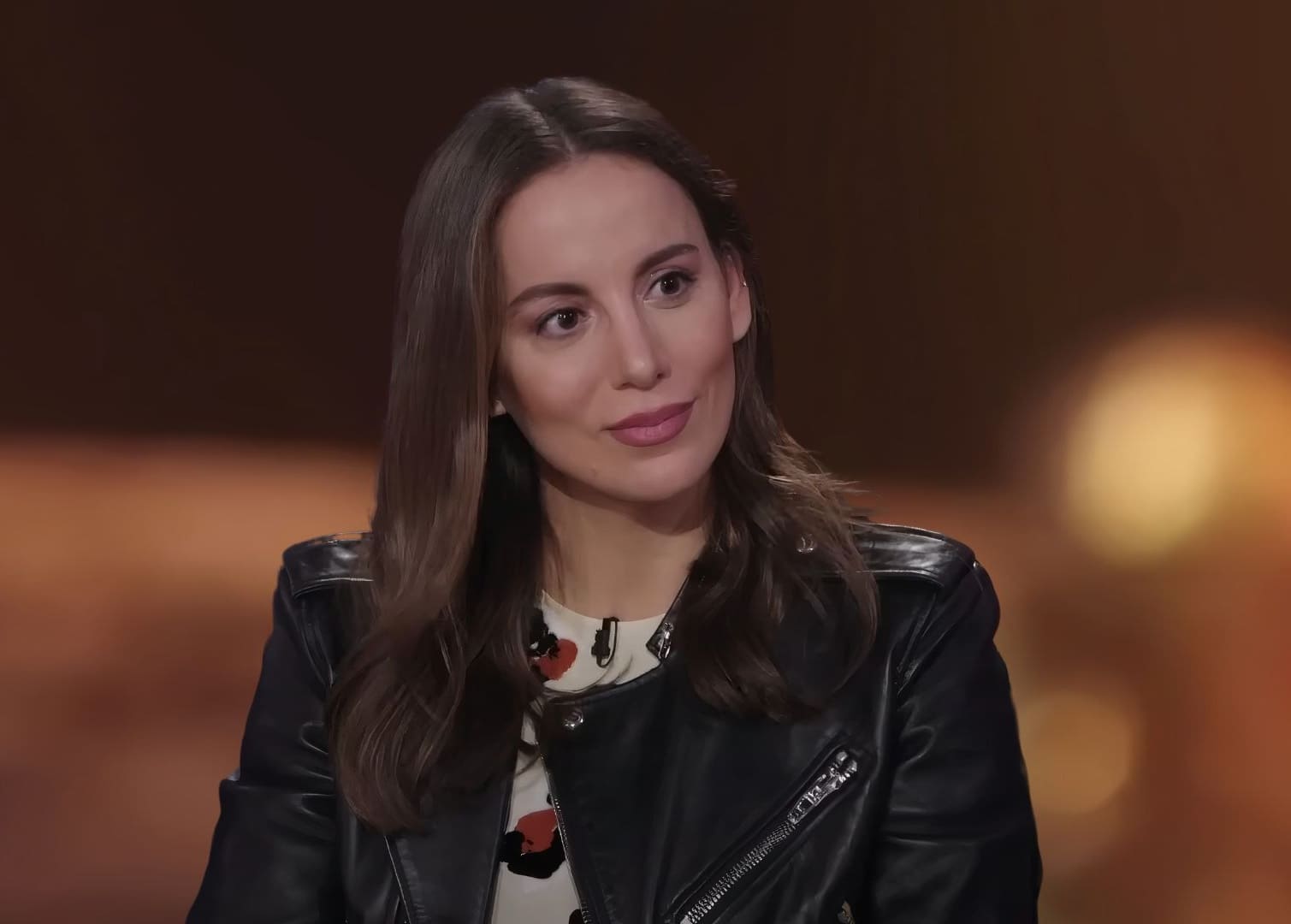
Mira Murati was born on December 16, 1988, in Vlorë, Albania. At the age of sixteen, she received a scholarship from United World Colleges and studied at Pearson College UWC in Victoria, British Columbia, where she completed the International Baccalaureate program in 2005. She then continued her studies in the United States, earning two degrees: a bachelor's degree in mathematics from Colby College in 2011 and an engineering degree in mechanical engineering from the Thayer School of Engineering at Dartmouth College in 2012.
Her professional career began in 2011 with an internship as a summer analyst at Goldman Sachs in Tokyo. She then briefly worked as an intern at the French company Zodiac Aerospace. In 2013, she joined automaker Tesla, where she worked as a product manager and led the team developing the Model X electric vehicle. It was there that she first encountered practical applications of artificial intelligence, which sparked her deeper interest in the field. In 2016, she moved to the startup Leap Motion, where, as Vice President of Product and Engineering, she developed augmented reality technologies.
Career at OpenAI
In 2018, Mira Murati joined OpenAI as Vice President of Applied Artificial Intelligence and Partnerships. In May 2022, she became Chief Technology Officer (CTO) of the entire organization. In this role, she led the research and development of key tools such as ChatGPT, a conversational model based on a large language model that enables interaction with users in natural language. Under her leadership, OpenAI also created DALL-E 2, a generative model for creating images from text descriptions, and Codex, a tool for automatically generating code.
Murati oversaw safety teams and product strategies, including the development of GPT-4, which introduced advanced capabilities in text processing and solving complex tasks. In March 2023, she led the team that completed the model. She also contributed to Sora, a text-to-video generation model capable of creating hyperrealistic videos based on user instructions. At OpenAI, she advocated involving the public in testing technologies, which accelerated development and attracted millions of users. In November 2023, she served as interim Chief Executive Officer (CEO) for three days following the dismissal of Sam Altman, whom the board removed due to a loss of confidence in his communications. After Altman returned, she resumed her position as CTO.
Her approach emphasizes collaboration with experts in ethics, sociology, and the arts to ensure that artificial intelligence is safe and accessible. In 2024, she received an honorary Doctor of Science degree from Dartmouth College for her contribution to the democratization of technology.
Departure from OpenAI and Founding Her Own Startup
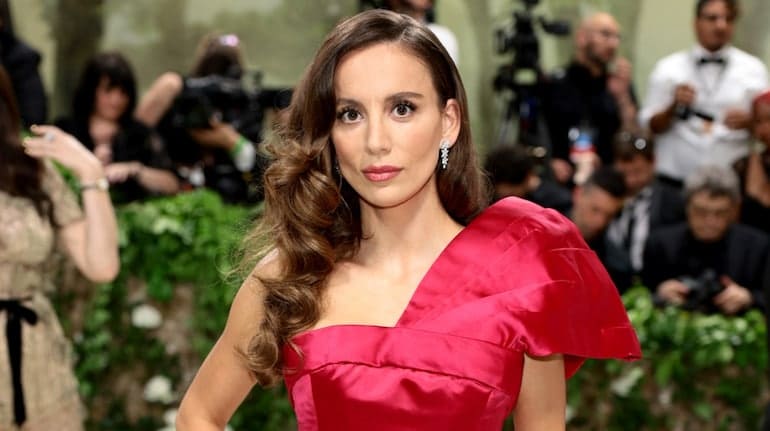
In September 2024, she left OpenAI to pursue her own projects. In February 2025, she founded the startup Thinking Machines Lab, which focuses on agentic artificial intelligence (Agentic AI) and the post-training of large language models for specific fields such as healthcare, robotics, and security. The company hired a team of about 30 researchers and engineers from competitors such as Meta, Mistral, and OpenAI, including OpenAI co-founder John Schulman and advisor Bob McGrew.
In April 2025, the startup raised $2 billion (approximately CZK 46.4 billion) in a seed round, valuing it at $12 billion (approximately CZK 278.4 billion). The investors were led by Andreessen Horowitz, with the Albanian government also participating. In October 2025, Thinking Machines Lab launched its first product, Tinker, a tool for researchers and developers that enables the fine-tuning of models such as Meta's Llama or Alibaba's Qwen without the need for expensive infrastructure.
Murati holds the deciding vote on the board of Thinking Machines Lab, giving her majority control. The company focuses on making artificial intelligence customizable and widely accessible, with an emphasis on ethical considerations.
Awards and Advocacy for Regulation
In October 2023, Murati ranked 57th on Fortune magazine's list of the 100 Most Powerful Women in Business. She advocates for the regulation of artificial intelligence and collaboration between companies, ethicists, and artists to minimize risks. In 2022, she published the article "Language & Coding Creativity" in the journal Daedalus, where she explored creativity in programming and artificial intelligence.
Her work at OpenAI and now at Thinking Machines Lab positions her as a key innovator with significant influence in the world of AI.
Sources: wikipedia.org and aidigitalx.com


