

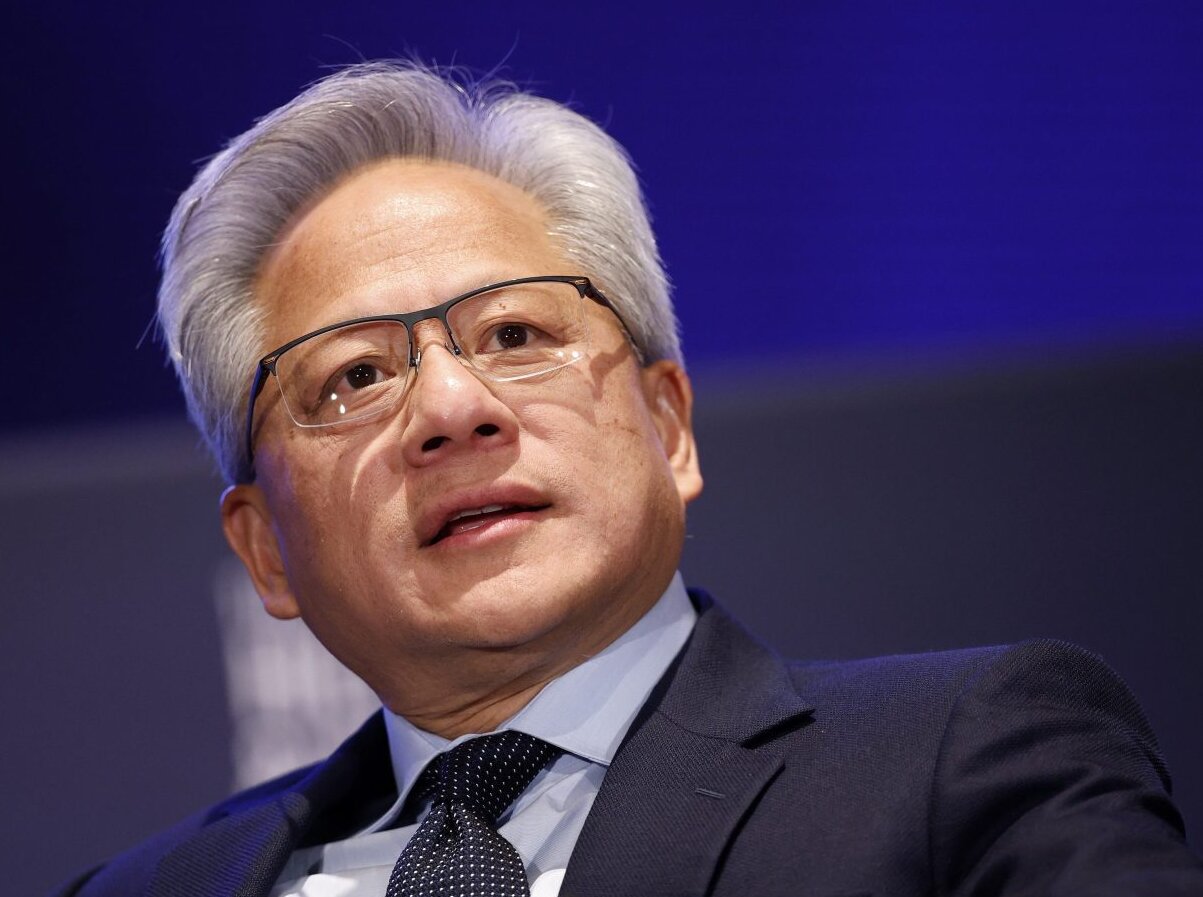
Nvidia CEO Jensen Huang is planning a trip to China in late January, even though Beijing has just banned imports of his company’s latest artificial intelligence chips. It is a risky attempt to reopen a market that until recently was crucial for the American chipmaker. Huang is expected to spend several days in China before the Lunar New Year celebrations begin. According to people familiar with the matter, he plans to attend company parties and visit Beijing. It is not yet clear whether he will meet with senior Chinese officials. His itinerary may still change depending on whether potential meetings can be arranged.
The timing of the visit is noteworthy. It comes just days after Chinese customs authorities informed customs officers that Nvidia’s H200 chips may not enter China. The directive was issued this week and, according to three sources familiar with the situation, amounts to a de facto ban on imports of these advanced chips.
Beijing vs. tech companies
Chinese government officials summoned domestic technology companies to meetings on Tuesday, where they explicitly instructed them not to purchase H200 chips unless absolutely necessary. According to one source, the officials’ wording was so strict that it essentially amounts to a ban, although the situation may change in the future. The authorities provided no reasons for their directives and did not say whether this was a formal ban or a temporary measure. It is also unclear whether the directives apply to existing orders for H200 chips or only to new ones.
Nvidia’s situation in China is dramatic. CEO Jensen Huang said last year that the company’s share of the AI chip market in the world’s second-largest economy had fallen to zero. This came after Beijing effectively blocked sales of the less powerful H20 chip beginning in August. Since 2022, the United States has imposed restrictions on exports of advanced chips to China in an effort to curb the country’s technological development. Last year, Trump initially banned and then permitted exports of the much less powerful H20 chip. However, Beijing has effectively blocked those sales since August.
H200 chips
The H200 chip is Nvidia’s second-most powerful artificial intelligence chip. The Trump administration formally approved its export to China only this week, subject to certain conditions. The H200 delivers roughly six times the performance of the less powerful H20 model, making it a highly attractive product. According to sources from last month, Chinese technology companies placed orders for more than two million H200 chips at a price of around $27,000 (approximately CZK 620,000) each. This significantly exceeds Nvidia’s inventory of 700,000 chips.
Although Chinese chipmakers have developed artificial intelligence processors such as Huawei’s Ascend 910C, the H200 is considered far more efficient for large-scale training of advanced artificial intelligence models.
Political game or business tactic?
Analysts believe China’s move may be aimed at gaining leverage over Washington ahead of President Donald Trump’s April visit to Beijing, where he is expected to meet with Xi Jinping. Both sides are trying to chart a path through an uncertain trade agreement. Reva Goujon, a geopolitical strategist at research firm Rhodium Group, said: "Beijing is pushing to see what greater concessions it can secure toward dismantling U.S.-led technology controls." Chris McGuire, senior fellow for China and emerging technologies at the Council on Foreign Relations, added: "Beijing believes that the U.S. is desperate to sell artificial intelligence chips to China, so it believes China has leverage to force concessions from the U.S. in exchange for approving licenses."
According to reports, exemptions for research and development purposes and for universities are under discussion. This week, the Chinese government told some technology companies that it would approve their H200 purchases only under special circumstances, such as for research and development conducted in partnership with universities.
Who has more leverage?
It remains disputed which side has more to gain from selling H200 chips to China. Re-entering the Chinese market would mean enormous profits for Nvidia and the U.S. government, which will collect a 25% fee from chip sales. David Sacks, the White House AI chief, and others have argued that exporting such chips to China discourages Chinese competitors from redoubling their efforts to catch up with Nvidia’s most advanced chip designs. Huang’s trip to China therefore represents an attempt to find a way forward as the two superpowers vie for technological supremacy. The coming weeks will show whether he succeeds in reopening this lucrative market.
Sources: reuters.com and bloomberg.com


