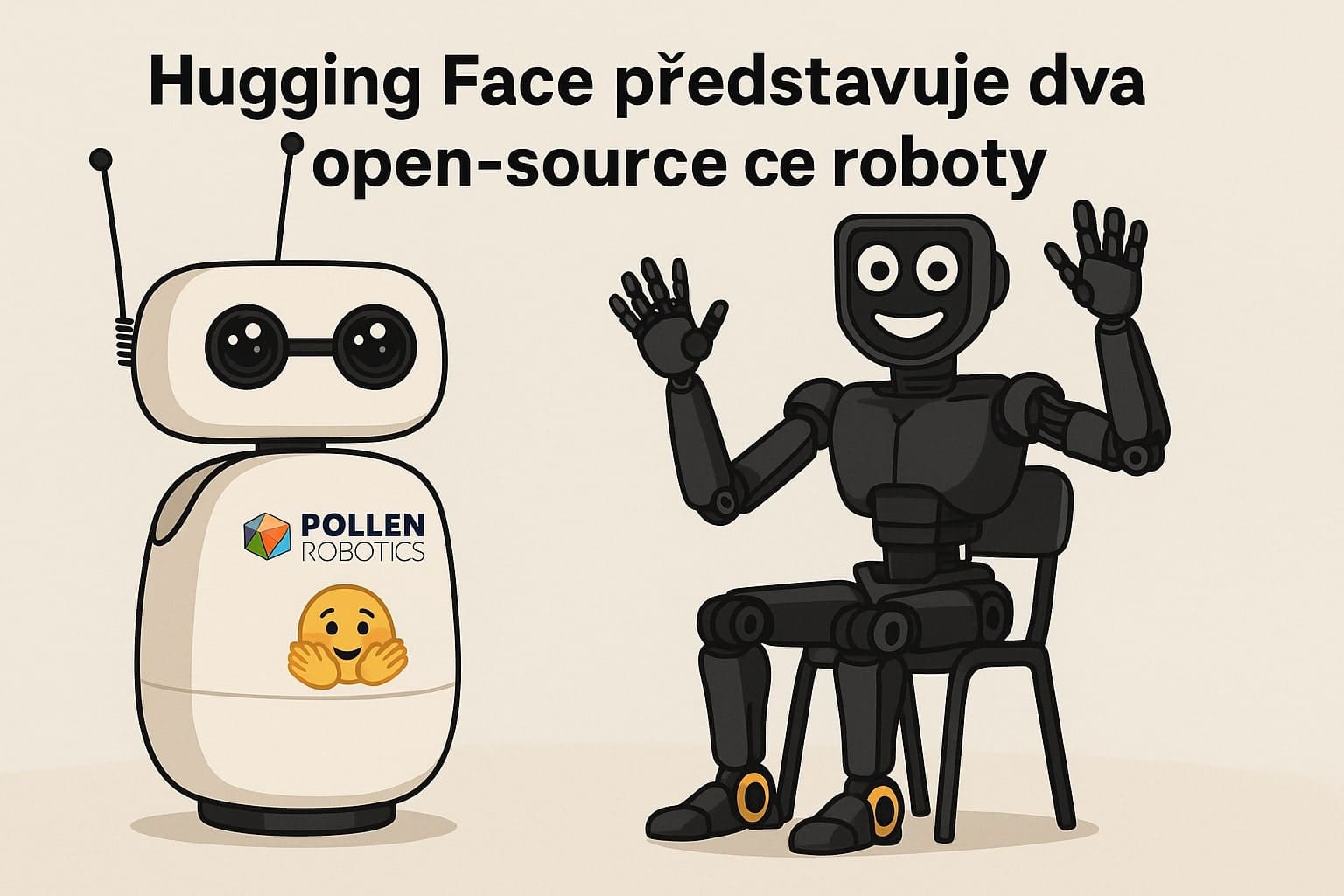
Hugging Face: Open-Source Humanoids HopeJR and Reachy Mini Head to Market
Hugging Face, best known for its artificial intelligence development platform, made a major move into the world of robotics in 2025. It unveiled two open-source humanoid robots that promise to change the way we approach robotics development. These new machines, named HopeJR and Reachy Mini, represent an effort to democratize robotics and make it accessible to the community of developers, researchers, and enthusiasts.
HopeJR: A Full-Fledged Humanoid Robot for Research
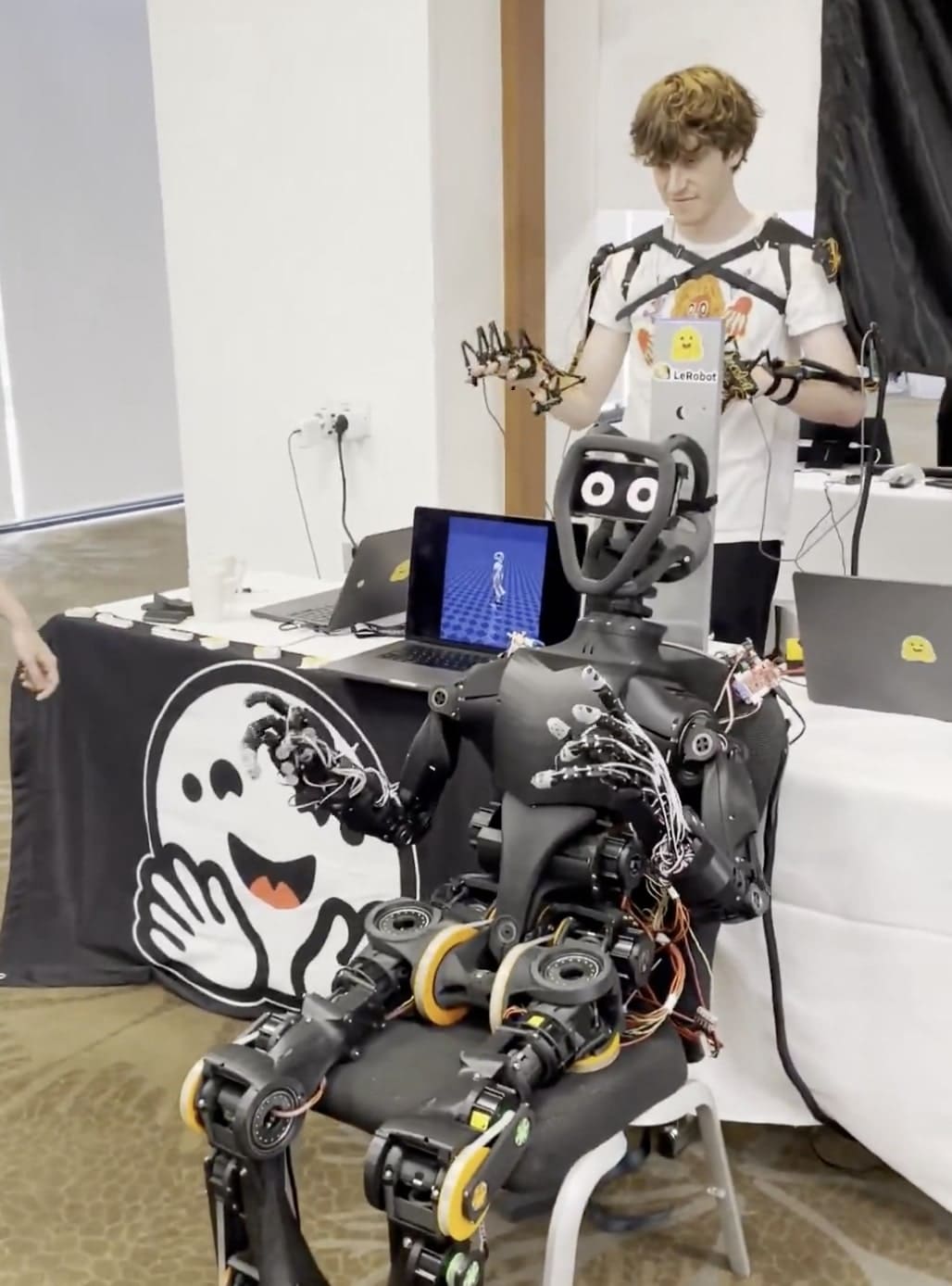
The first of the two robots unveiled is HopeJR, a full-fledged humanoid robot with 66 motorized degrees of freedom. This impressive specification enables the robot not only to walk, but also to perform complex hand movements and grasp objects precisely. The robot is designed specifically for developers and researchers who want to experiment with physical artificial intelligence, robotics, and mechatronics. The estimated price of HopeJR is set at $3,000, which is dramatically lower than that of similar commercial systems. This affordability is a key element of Hugging Face's strategy to make robotics accessible not only to large corporations, but also to smaller teams and individuals.
Reachy Mini: A Desktop Robotic Assistant
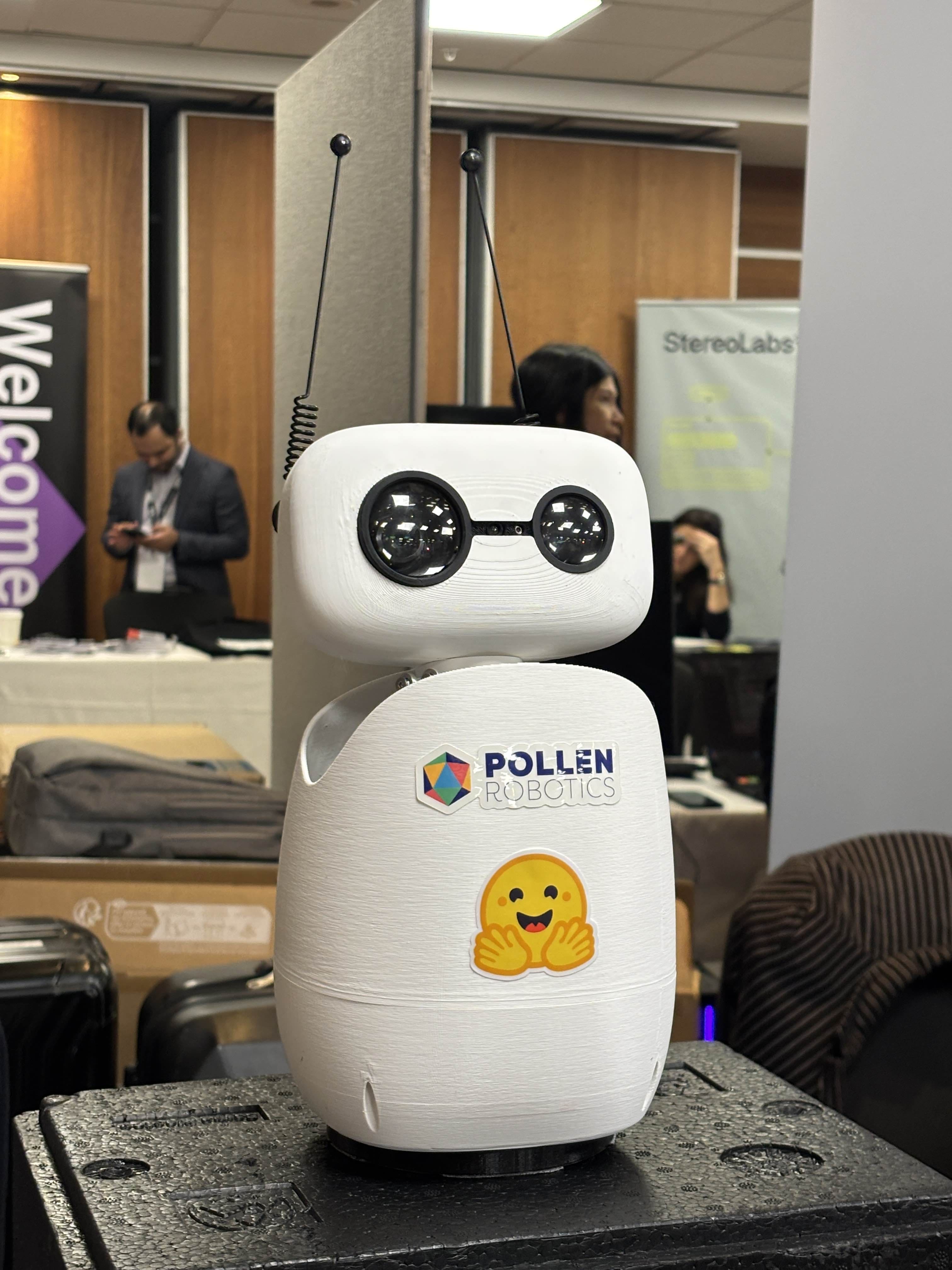
The second robot in the lineup is Reachy Mini, a compact robot designed for desktop use. This smaller member of Hugging Face's robot family can turn its head, listen, speak, and serve as a platform for testing AI applications and interacting with users. Reachy Mini is aimed at those looking for an affordable and easy-to-use interface for experimenting with artificial intelligence in robotics. With an estimated price of $250–300, Reachy Mini represents an extremely affordable entry point into the world of advanced robotics. Its compact size and focus on interaction make it an ideal tool for both educational purposes and personal experiments.
Open-Source Philosophy as the Foundation of the Project
A fundamental element of the entire Hugging Face initiative is its consistently open-source approach. Both robots are fully open not only in terms of hardware, but also their code and documentation. Anyone can build, study, modify, and customize the robots according to their needs. This open model aims to promote transparency and innovation in robotics, providing a counterbalance to the trend of "black boxes" in robotic systems dominated by large corporations. As Clem Delangue, co-founder and CEO of Hugging Face, explains: "An important aspect is that these robots are open source, so anyone can build them, rebuild them, and understand how they work. And they are affordable, so robotics will not be dominated by just a few major players with dangerous black boxes."
Delivery Schedule and Availability
Hugging Face plans to begin shipping the first units of both robots by the end of 2025. A waitlist is already open for developers and organizations interested in obtaining these robots. This launch follows Hugging Face's acquisition of Pollen Robotics, which is known for its work on humanoid robotics platforms, and builds on previous projects such as the SO-101 robotic arm.