

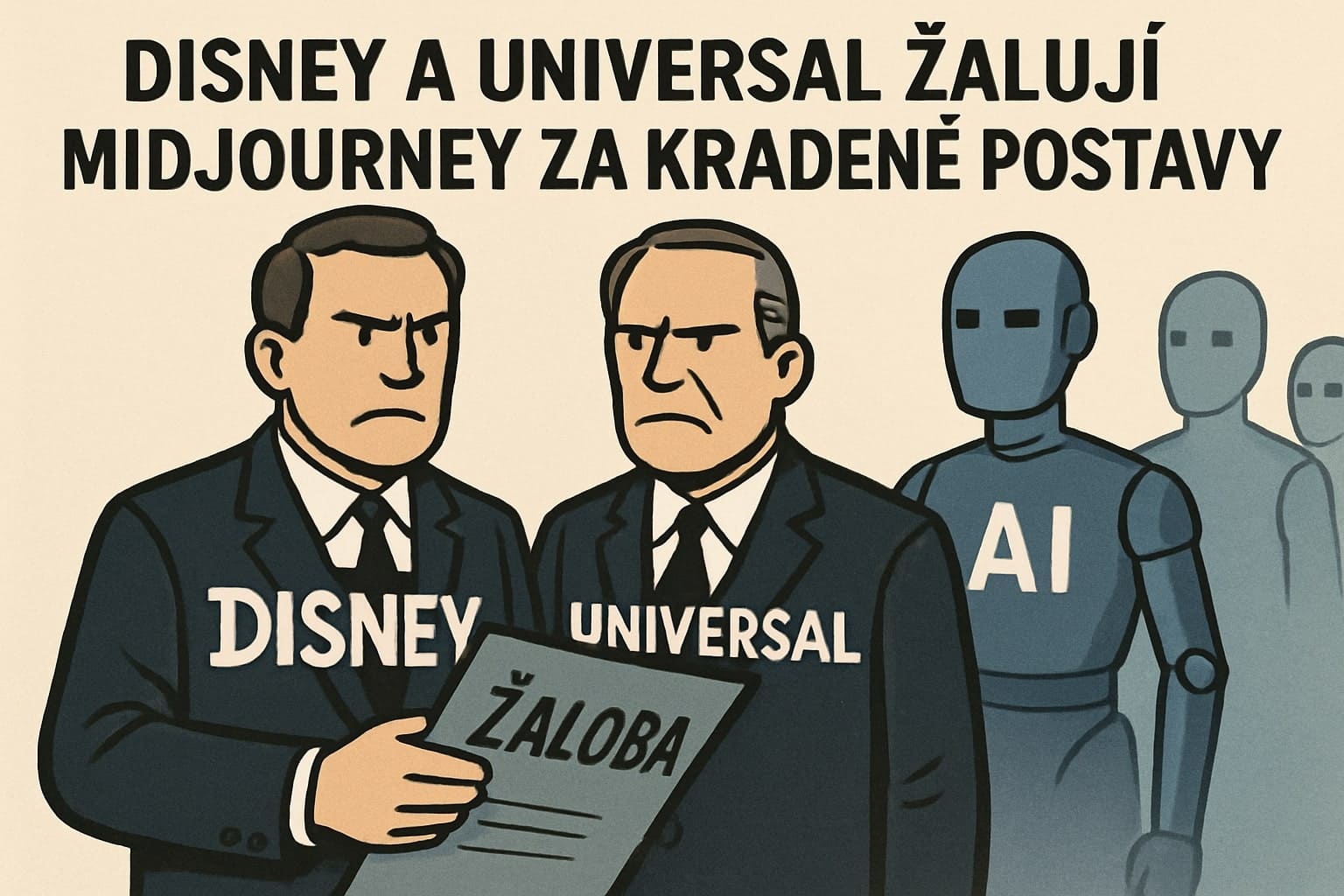
Disney and Universal Sue Midjourney Over Stolen Characters
On June 11, 2025, a historic moment occurred at the intersection of artificial intelligence and the entertainment industry, when two of Hollywood's largest studios—Disney and Universal Studios—jointly filed a major lawsuit against the AI company Midjourney, one of the leading companies specializing in AI image generation. This lawsuit marks an escalation in the ongoing debate over copyright and AI-generated content and could permanently change the rules of the game for the entire AI sector.
Core Allegation: Piracy in the Digital Age
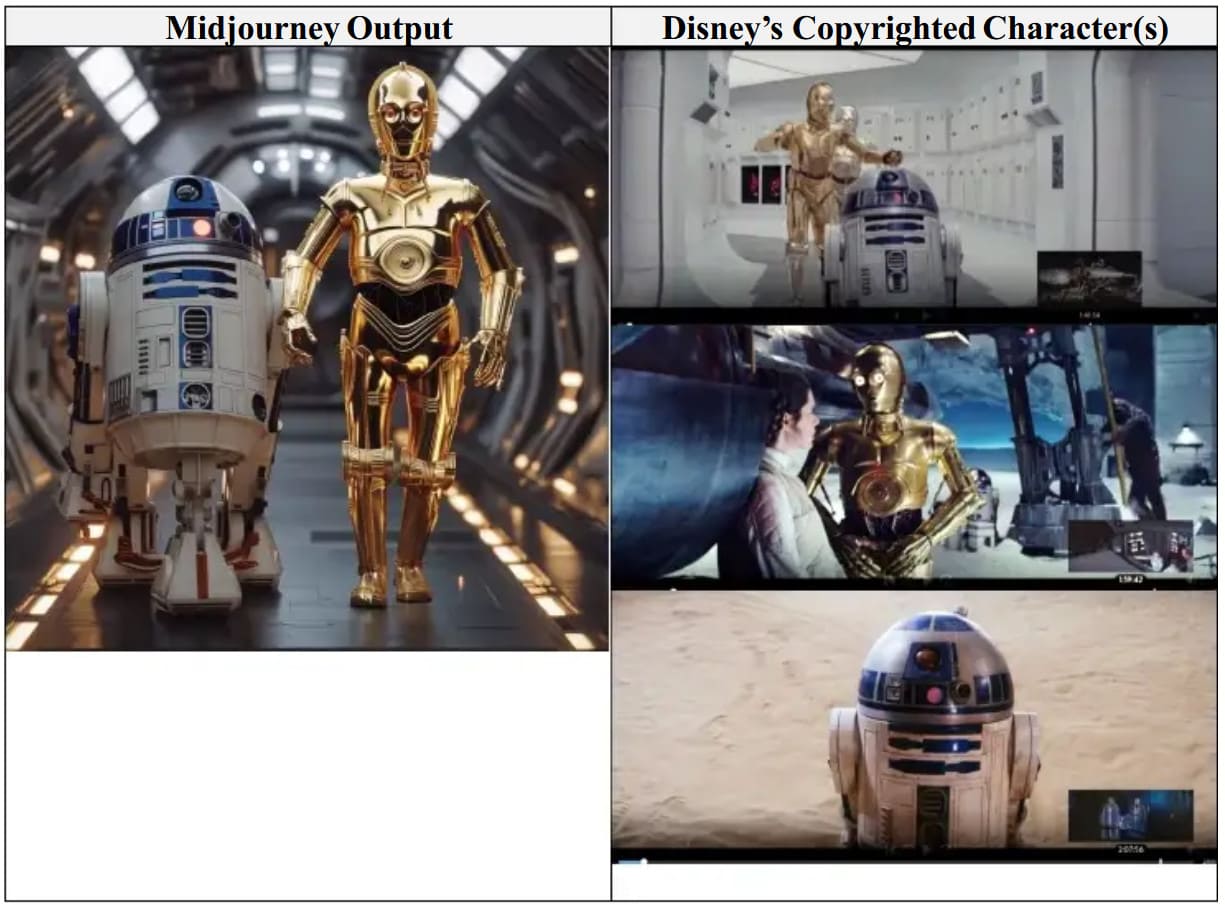
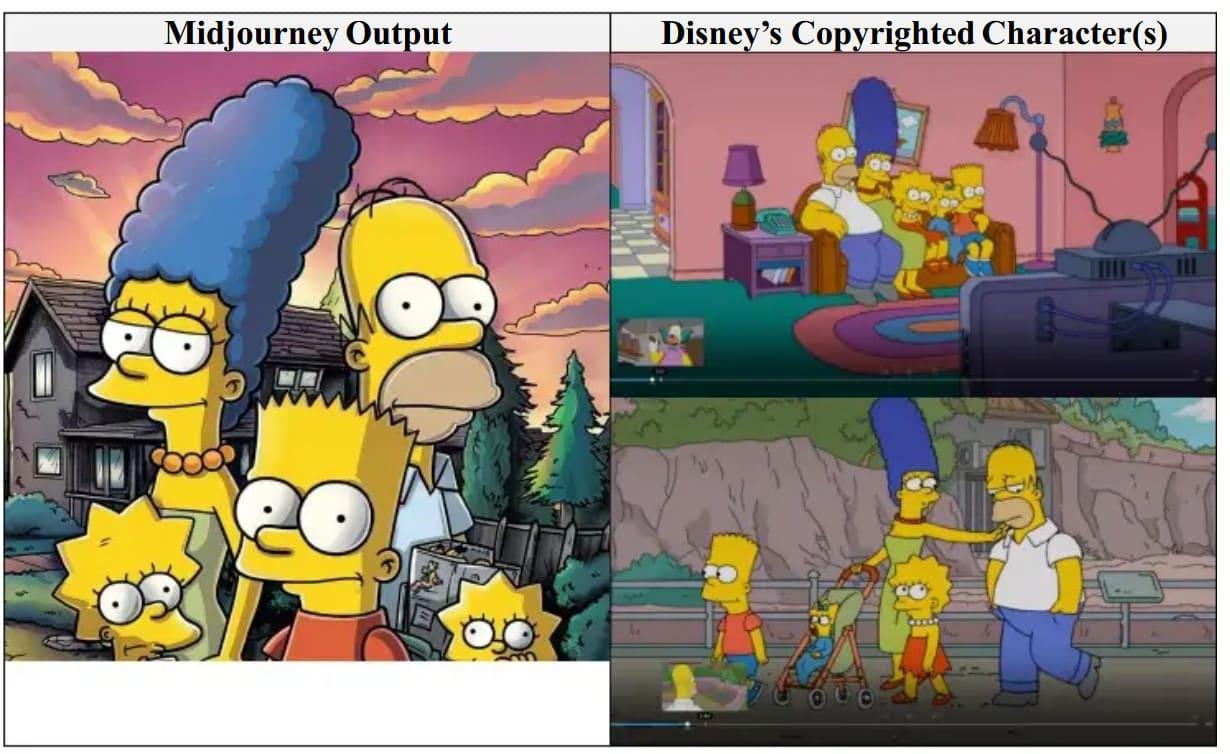
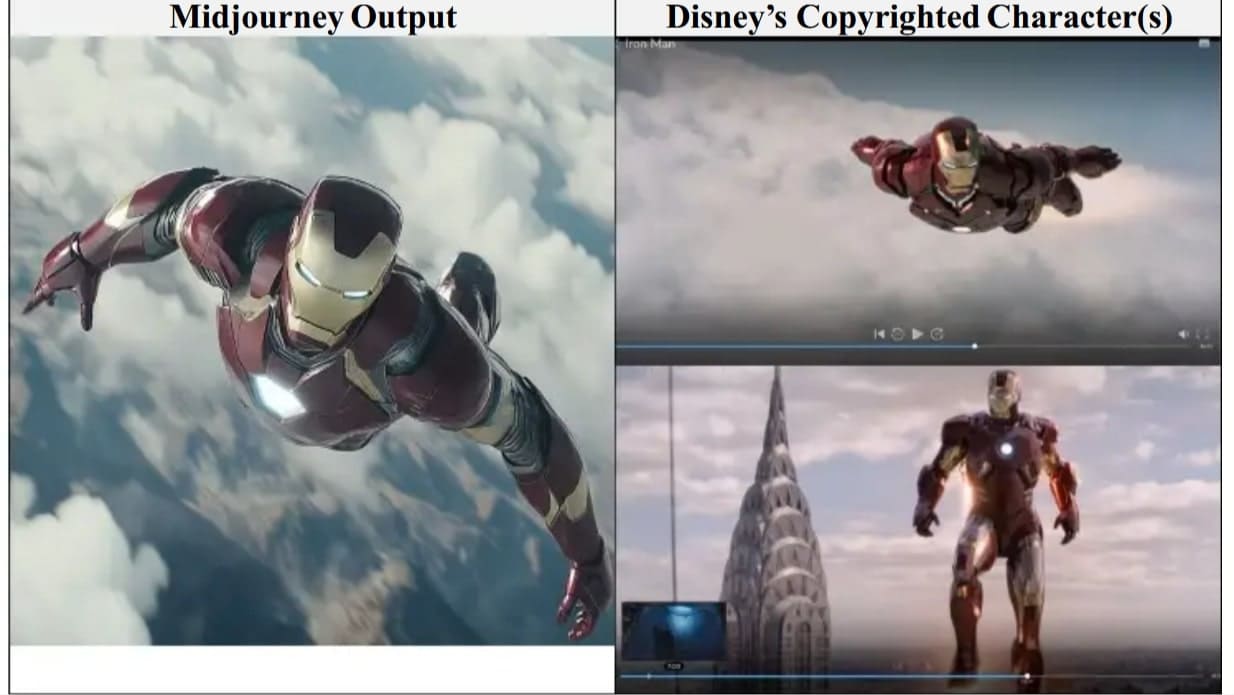
In their lawsuit, Disney and Universal claim that Midjourney systematically infringes their copyrights by training its AI models on their protected content without any permission. They argue that Midjourney uses their intellectual property as source material for generating new images, which constitutes illegal access to their creative works. The lawsuit includes specific examples of AI-generated images that bear a striking resemblance to iconic characters such as Darth Vader, Spider-Man, Homer Simpson, the Minions, and Shrek.
Disney's chief legal officer, Horacio Gutierrez, stated clearly regarding the situation: "Piracy is piracy, and the fact that it is carried out by an AI company does not make it any less infringing." This statement underscores the position that technological progress cannot serve as a defense against the infringement of long-established copyrights.
Legal Demands and Financial Consequences
In their lawsuit, Disney and Universal are seeking unspecified financial damages as well as a court injunction preventing Midjourney from distributing or generating content based on their protected works. These measures could have a devastating impact on Midjourney's current business model, which is built on its ability to generate a wide range of visual content based on users' text prompts.
Kim Harris, Universal's chief legal officer, emphasized the need to protect the hard work of artists and the studios' significant investments in creative content. This argument points to the broader economic consequences of the situation—the studios invest billions of dollars in developing characters and stories, while AI companies exploit these investments without providing any compensation to the original creators.
Context of the Legal Battle
This lawsuit is not an isolated incident but part of a broader wave of litigation against AI companies. Artists and creators around the world are increasingly protesting the unlicensed use of their works to train generative models. The situation reflects growing resistance from copyright holders, who argue that AI companies profit from their work without proper attribution or compensation.
Impact on the Fair Use Doctrine
The lawsuit directly challenges the widespread practice in the AI industry of relying on the "fair use" doctrine as a legal defense for training on protected material. This legal gray area has yet to be definitively resolved by the courts, making this dispute potentially groundbreaking. The outcome of this litigation could have far-reaching consequences not only for the entertainment industry but also for AI companies, potentially establishing new legal rules regarding the use of protected materials for training artificial intelligence.
Other Major Lawsuits in the Legal Battle Against AI
The Disney and Universal case represents only the tip of the iceberg in the wave of litigation against AI companies. The New York Times has filed a lawsuit against OpenAI for the unauthorized use of thousands of articles to train its AI models without the appropriate licenses. At the same time, Stability AI, the operator of Stable Diffusion, is facing a class-action lawsuit from artist Sarah Andersen and other creators who claim that their works were used without consent to train AI systems. Major record labels have also filed lawsuits against AI music generators Suno and Udio for copyright infringement. Even the U.S. Copyright Office is facing a lawsuit from individual creators seeking recognition of their rights to works generated by artificial intelligence. Together with the Disney and Universal case, these parallel disputes are creating legal pressure on the entire AI sector, and their outcomes will define the rules of the game for the next generation of technologies.


