AI Saves Millions of Meals and Reduces Food Waste by 87%
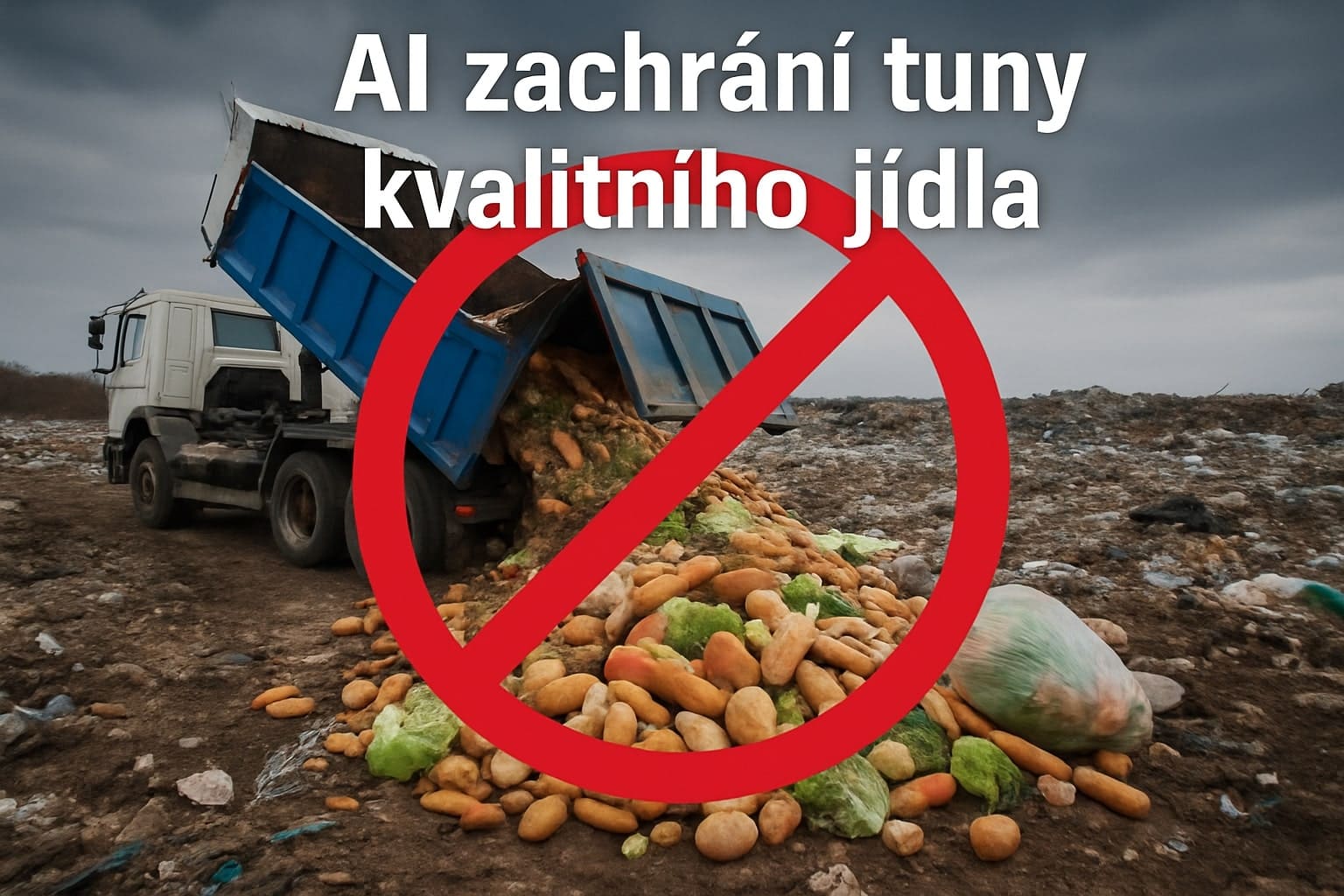
Artificial intelligence could save the equivalent of 1.5 million meals from being thrown away by 2026. Technology developed by Zest has just completed successful pilot tests with leading British food companies, with Nestlé playing a key role.
Impressive Results from a Two-Week Trial
During a two-week pilot program at a Nestlé factory, the innovative AI system achieved an incredible 87% reduction in edible food waste. The technology works by monitoring and analyzing surplus food products in real time that are edible but commercially unusable—such as broken KitKat bars or products approaching their use-by date. The system enables manufacturers to identify specific points in the production process where waste occurs and then make the appropriate adjustments. This allows companies to dramatically reduce the amount of food that would otherwise end up as waste.
Financial Support and Potential Savings
The pilot project estimates that it could save up to 700 tonnes of quality food, equivalent to approximately 1.5 million meal portions. At the same time, it could reduce operating costs by up to £14 million (CZK 412 million) and cut emissions by 1,400 tonnes. The initiative is supported by a £1.9 million grant from the BridgeAI program and is co-funded by the participating partners. In addition to Nestlé, key collaborators include organizations such as Sustainable Ventures, Bristol Superlight, FareShare, FuturePlus, Google Cloud, and Howard Tenens Logistics.
Technology Infrastructure
The system integrates Google Cloud BigQuery and Vertex AI platforms to connect surplus food from manufacturers with logistics providers and charities. Bristol Superlight's logistics solution uses AI to monitor food quality during delivery. The FareShare charity plays a key role in distribution and is responsible for distributing surplus food to more than 8,000 charitable and community groups across the UK. The organization described the initiative as an important step in combating food waste and hunger nationwide.
If the current trials continue to be successful, the software could be deployed on a subscription basis as early as March 2026. This could fundamentally transform food waste management across the entire supply chain and create a more efficient, transparent, and environmentally responsible system.